Why Do Bakers Use a Proofer Oven?
A proofer oven gives bread dough a controlled place to rise before baking. It helps bakers manage warmth and humidity, two conditions that affect fermentation and dough texture. On a busy production day, that control can make batches more consistent. The dough still needs attention, though.
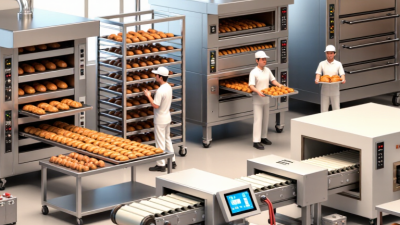
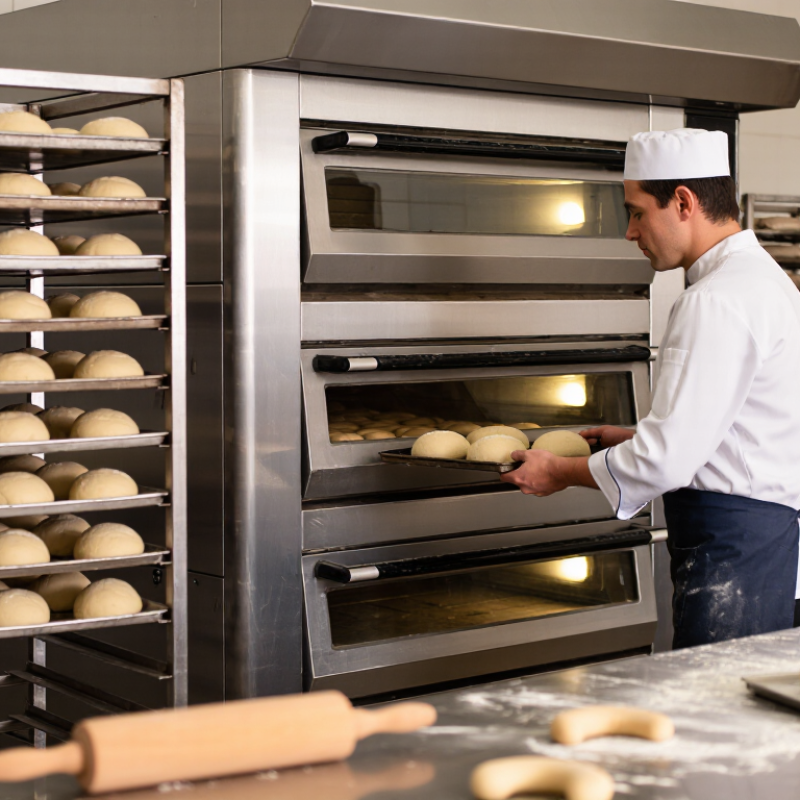
In a bakery, a baker may place shaped rolls on trays, set them inside the proofer, and check their size and feel as they rise. A stable environment can reduce the effects of chilly rooms or dry air. It may also support a more predictable schedule for breads, buns, and pastries that need proofing. Yet settings are not universal. Dough type, yeast activity, recipe, and room conditions all matter, so bakers should follow equipment guidance and their own tested procedures.
Still, equipment cannot read dough. A timer alone may lead to overproofing, while a crowded rack can limit airflow around trays. Bakers look for practical signs, such as expanded dough and a gentle spring when lightly pressed. Those cues take practice, and even experienced teams sometimes need to adjust. A proofer oven is useful, not magical. Understanding how it supports fermentation helps bakers decide when controlled proofing improves their workflow—and when careful observation matters more than the display.
What a Proofer Oven Is and How It Works
A proofer oven is a temperature- and humidity-controlled cabinet for dough’s final rise. It gives yeast dough a steady, warm environment before baking. Unlike a regular oven, it does not rely on dry heat to brown or cook the dough. Bakers set trays inside, close the door, and let the dough expand without drying on the surface. The American Institute of Baking’s technical guidance describes proofing conditions commonly around 35–38°C and 80–85% relative humidity. These are working ranges, not rules for every recipe.
Inside the cabinet, gentle heat encourages yeast activity, while moisture keeps the dough skin supple. That matters: a dry crust can restrict expansion and leave uneven seams. Many units use a water pan or humidity system, plus a thermostat and sensor to control conditions. A baker still needs to watch the dough. Small batches can behave differently. Flour strength, dough temperature, and sugar levels all affect proofing time, so the clock alone can mislead.
For example, a tray of shaped rolls may look smooth and slightly fuller after proofing, with a soft surface that springs back slowly when pressed. Too much warmth can make dough rise too fast and weaken its structure; too little humidity can form a skin. Not a magic setting. The proofer creates consistency, but observation and careful adjustments remain part of the work.
How Temperature and Humidity Affect Dough Proofing
A proofer oven gives dough a steadier place to ferment, but temperature and humidity do different jobs. Warmth speeds yeast activity; too much can make dough race ahead, weakening its structure and changing its flavor.
Many lean breads proof around 24–28°C, though the right setting depends on the recipe and timing. Enriched doughs may need gentler warmth because butter and sugar can slow fermentation. Small changes matter. A few degrees can shift a proof from sluggish to over-expanded.
Humidity helps keep the dough’s surface supple. In dry air, a thin skin can form, limiting expansion and leaving rough seams or small tears after baking. A humid environment reduces moisture loss, but wetter is not always better. Condensation can create sticky patches and make scoring less distinct.
Bakers should judge the dough, not trust the display alone. Look for a rounded surface, visible gas, and an indentation that returns slowly when gently pressed.
Watch the dough. Room temperature, flour strength, starter activity, and batch size all affect timing, so keeping notes can reveal useful patterns. Still, even careful records may miss a variable; dough has its stubborn days.
How Proofing Develops Dough Structure and Flavor
A proofer oven creates a warm, humid space where dough can rise steadily. Yeast consumes sugars in the flour and releases carbon dioxide, which gathers in the dough’s elastic gluten network. Those expanding gas pockets help shape the crumb, from close and tender to airy and open. Moist air also keeps the surface supple, so the dough can stretch instead of forming a dry skin that restricts its rise. Small bubbles matter.
Proofing also develops flavor. As fermentation continues, yeast and flour enzymes produce compounds that add subtle sweetness, aroma, and depth. Warmer conditions speed fermentation, but faster is not always better: dough may rise before its flavor has had time to develop. The ideal proof depends on the recipe, dough temperature, and yeast activity. A clock helps, but it cannot replace watching the dough. It is easy to trust a neat schedule too much; dough sometimes disagrees.
Tips: Check for a dough that looks fuller and feels airy, rather than relying only on the timer. A gentle fingertip press should leave an indentation that slowly springs back. If it snaps back quickly, give it more time; if it stays deeply sunken, it may be overproofed. Keep notes on room temperature and proofing time—small adjustments can make a noticeable difference.
Why Bakers Use Proofer Ovens for Consistent Results
A proofer oven helps bakers control the warm, humid environment yeast needs to expand dough. Bakerpedia’s technical reference on proofing gives a typical range of 35–38°C and 80–85% relative humidity. Those figures are useful starting points, not universal settings: enriched dough, room temperature, and yeast activity all affect timing. Small shifts matter.
In a working bakery, steadier conditions mean fewer trays emerge unevenly risen. A baker can look for dough that feels airy and gently springs back when pressed, rather than relying on the clock alone. Consistency is practical. It can help keep loaf volume, crumb texture, and oven spring closer from batch to batch. A proofer also reduces the swings caused by a drafty room or a cold morning. Still, machines cannot correct every mistake. Dough that is overmixed or poorly scaled may proof unevenly, even in a well-controlled cabinet. I’d treat the set temperature as a guide, then record proof time and dough feel; that habit takes effort, and it is easy to skip during a rush.
Why Bakers Use Proofer Ovens for Consistent Results
A proofer lets bakers control dough temperature and humidity. These example setpoints show how target temperatures can vary by dough type; the best setting depends on the recipe and production process.
Example operating setpoints, not universal standards. Controlled conditions help dough rise more predictably and reduce surface drying.
When a Proofer Oven Is Most Useful in Baking
A proofer oven is most useful when room conditions make dough rise unevenly. In a chilly kitchen, a steady, gently warm environment can help rolls or sandwich loaves proof on schedule. In dry air, controlled humidity helps keep the dough surface from forming a leathery skin. That consistency matters.
It is especially helpful for batches with different pans or several proofing stages. Enriched doughs, such as brioche-style dough with butter and eggs, can take longer to rise than lean dough. A proofer gives the baker a more predictable place to wait, rather than relying on a warm spot near a stove. For a tray of dinner rolls, even proofing can mean fewer tight, undersized rolls beside oversized ones. Still, time is only a guide. Watch the dough’s volume and feel, too.
Not always, though. In a warm, humid kitchen, a covered bowl may work just as well. Excessive heat can weaken dough structure or push fermentation too far, leaving loaves slack and flat. Follow the recipe’s conditions where possible, and check the dough before baking. I would not trust the timer alone; dough has its own schedule.