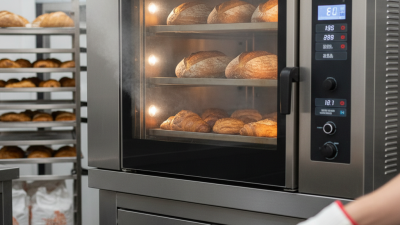
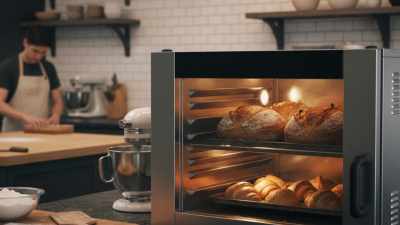
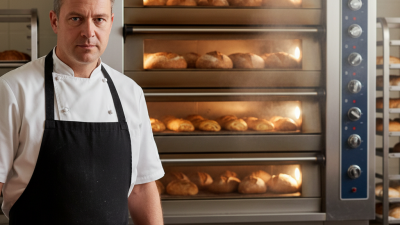
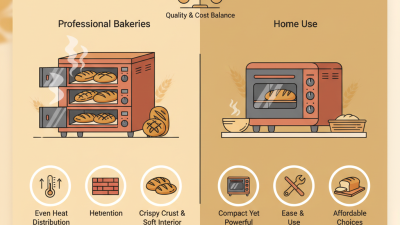
Choosing a bakery oven in 2026 will require more than comparing heating temperatures or catalogue prices. Global buyers must assess energy use, production volume, product consistency, installation conditions, and after-sales support. A compact convection oven may suit a café producing golden croissants each morning. A tunnel oven may better serve an industrial line baking thousands of loaves per hour.
Recent reports from Grand View Research and Mordor Intelligence identify bakery equipment as a growing food-processing market. Their analyses repeatedly highlight automation, energy efficiency, and flexible production as key purchasing factors. However, market estimates vary because some studies include mixers and proofers, while others measure ovens alone. That difference matters.
Jeffrey Hamelman, respected baker and author of Bread: A Baker’s Book of Techniques and Recipes, has described the oven as “the heart of the bakery.” His observation remains practical. Heat distribution affects crust color, moisture retention, baking time, and even customer perception.
This guide examines the 2026 bakery oven types most relevant to international buyers. It compares convection, deck, rack, rotary, tunnel, and hybrid systems. It also considers fuel options, control technology, cleaning access, spare parts, and operator training.
Some assumptions deserve caution. The newest touchscreen is not always the best investment. A highly automated system can underperform without stable power, skilled maintenance, or suitable ventilation. Buyers should study real production samples, not only impressive specifications. The right bakery oven is the one that performs reliably on an ordinary Tuesday, not just during a showroom demonstration.
2026 Top Bakery Oven Types for Global Buyers
A bakery oven transfers heat through convection, radiation, conduction, or a combination of all three. Its main components include heating elements or burners, a chamber, insulation, airflow controls, sensors, and a programmable controller. Convection ovens circulate hot air around trays. Deck ovens heat the baking surface and deliver strong bottom heat. Rotary rack ovens move products through a consistent thermal zone.
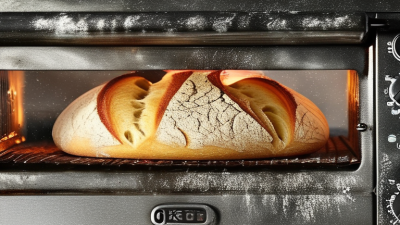
Steam injection changes the baking environment. Moist air delays crust formation, helping dough expand before the surface sets. After steaming, exhaust vents reduce humidity and promote browning. The operating cycle is simple but sensitive: preheating establishes chamber temperature, loading changes airflow, and recovery restores heat after the door opens. Small temperature losses matter.
Energy performance deserves careful checking. The International Energy Agency’s Energy Efficiency 2023 report recorded a 2.2% global improvement in energy intensity during 2022, increasing pressure on industrial equipment buyers. The FAO’s Greenhouse Gas Emissions report estimates agrifood systems produce about 31% of global emissions, although ovens represent only one processing stage. Buyers should compare tested energy use, recovery time, insulation thickness, and controls, not only rated capacity. That comparison is often overlooked. In practice, uneven loading can create pale corners, dry crusts, or longer cycles. My own cautious view: automated controls help, but they cannot repair poor airflow, incorrect proofing, or weak maintenance.
Bakery Oven Basics: Functions, Components, and Operating Principles
The chart shows typical chamber temperature ranges used by major bakery oven types. Actual settings depend on the product, recipe, loading method, heat-transfer design, and humidity requirements. Convection ovens circulate heated air, deck ovens transfer heat through heated surfaces and radiant energy, rotary rack ovens circulate air around rotating racks, tunnel ovens provide continuous production, and wood-fired ovens operate at higher temperatures for specialized baking.
2026 Top Bakery Oven Types for Global Buyers
Major Bakery Oven Types and Their Typical Applications
Bakery oven selection starts with the product, not the equipment catalog. A convection oven suits cookies, muffins, pastries, and small batches because circulating air improves heat distribution. A deck oven uses heated surfaces for bread, pizza-style products, and crisp-bottom pastries. Its strong bottom heat can also expose weak dough handling.
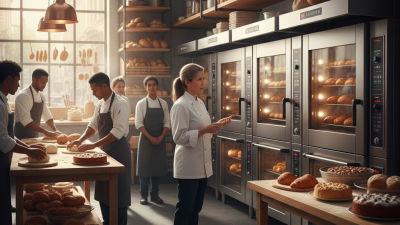
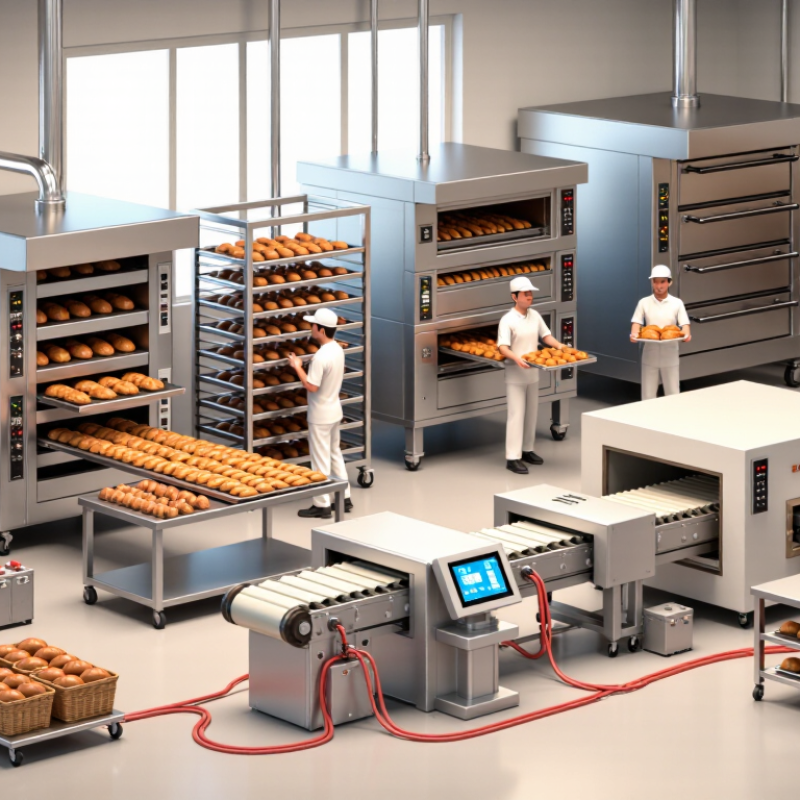
Rack ovens support mobile trays and consistent batch production. They fit bakeries making bread, rolls, and laminated pastries at changing volumes. Rotary ovens increase airflow and tray movement, helping larger operations reduce uneven browning. Tunnel ovens serve continuous production, especially for uniform loaves, buns, biscuits, and crackers. They require accurate timing, stable recipes, and enough floor space. In practice, energy cost, local power supply, ventilation rules, maintenance skills, and spare-part access can matter as much as capacity. A technically excellent oven may underperform when operators lack training. That is easy to underestimate.
Tips: Test the oven with your own dough, tray size, and loading pattern. Ask for heat-recovery data and cleaning requirements. Check temperature readings at several points, not only the display.
| Oven Type | Typical Heating Method | Typical Temperature Range | Common Product Formats | Typical Applications | Main Advantages | Key Considerations for Buyers |
|---|---|---|---|---|---|---|
| Deck Oven | Electric, gas, or oil-fired heating with separate baking decks; steam may be added. | 180–300°C | Artisan loaves, sourdough, baguettes, pizza, pastries, cakes, and specialty breads. | Craft bakeries, restaurants, hotel bakeries, and small-to-medium production facilities. | Strong control of top and bottom heat; suitable for stone or ceramic baking surfaces; supports high-quality crust development. | Manual loading may reduce labor efficiency; production capacity depends on deck size and the number of decks. |
| Convection Oven | Heated air circulated by fans, usually powered by electricity or gas. | 150–260°C | Cookies, cakes, muffins, pastries, buns, rolls, and frozen bakery products. | Retail bakeries, cafés, foodservice kitchens, supermarkets, and general-purpose baking. | Versatile, compact, relatively simple to operate, and capable of consistent baking across multiple trays. | Air movement can dry delicate products or affect items that require a still baking environment; tray loading patterns influence uniformity. |
| Rack Oven | Forced hot-air circulation around a rotating or stationary rack, with optional steam injection. | 150–260°C | Bread loaves, rolls, Danish pastries, croissants, cookies, and cakes on wheeled racks. | Medium-to-large bakeries requiring batch production and flexible product changeovers. | High batch capacity, efficient rack handling, programmable cycles, and good product consistency. | Requires adequate floor clearance, rack access, ventilation, and heat recovery planning; energy use can be significant at high utilization. |
| Rotary Rack Oven | Forced convection with continuous rack rotation to improve exposure to heated air. | 160–250°C | Breads, buns, rolls, pastries, cakes, and laminated dough products. | Commercial bakeries producing multiple batches with standardized recipes. | Even baking across trays, efficient use of rack space, and good adaptability to varied batch sizes. | Moving components require regular maintenance; door dimensions and rack compatibility must match the bakery’s handling system. |
| Tunnel Oven | Continuous heating zones using gas, electric, thermal oil, or hybrid systems; products travel on a conveyor. | 160–300°C | Pan bread, buns, cookies, crackers, biscuits, pizza bases, and other standardized products. | Large industrial bakeries with continuous, high-volume production. | High throughput, repeatable baking profiles, reduced manual handling, and integration with automated production lines. | High initial investment and substantial space requirements; economical mainly when production volume and product consistency are high. |
| Conveyor Pizza and Flatbread Oven | Gas or electric radiant and convection heating over a moving mesh or stone conveyor. | 200–400°C | Pizza, flatbread, naan, tortillas, focaccia, and similar thin baked products. | Pizza chains, quick-service restaurants, catering operations, and high-volume flatbread production. | Fast baking, continuous loading, predictable residence time, and simple throughput control through conveyor speed. | Less flexible for tall or delicate products; belt width, heat recovery, and exhaust requirements should be evaluated carefully. |
| Reel Oven | Radiant and convective heat applied while trays or pans rotate on a central reel. | 160–250°C | Layer cakes, sheet cakes, pies, pastries, biscuits, and bread products in pans. | Small-to-medium commercial bakeries seeking high tray capacity in a compact footprint. | Efficient use of vertical space, good batch capacity, and relatively even baking from tray rotation. | Loading and unloading may be more labor-intensive than fully automated systems; access and cleaning design are important. |
| Rotary Hearth Oven | A rotating hearth or baking platform exposed to radiant and convective heat. | 180–320°C | Artisan breads, hearth loaves, pizza, flatbreads, and specialty baked goods. | Bakeries emphasizing hearth-style products and visible baking operations. | Provides a distinctive hearth-baked result, good product presentation, and flexible batch baking. | Usually has lower automation and throughput than a tunnel oven; installation must account for heat, exhaust, and operator access. |
| Steam-Injection Bread Oven | Dry heat combined with controlled steam during the early stage of baking. | 180–260°C | Baguettes, sourdough, artisan loaves, sandwich bread, and crusty rolls. | Bread-focused bakeries requiring glossy crusts, controlled expansion, and strong crust formation. | Steam improves crust appearance and can support oven spring and moisture retention in suitable bread formulas. | Requires reliable water quality, drainage, steam-generation capacity, and regular cleaning of steam components. |
| Combination Oven | Selectable or programmable modes combining convection, steam, and dry heat. | 30–300°C | Bread, pastries, cakes, roasted foods, reheated products, and mixed foodservice menus. | Hotels, restaurants, central kitchens, supermarkets, and operations with varied cooking requirements. | Highly flexible, supports programmable recipes, and can reduce the need for separate cooking equipment. | Higher purchase cost and greater control-system complexity; staff training and preventive maintenance are essential. |
Choosing a bakery oven starts with production volume, not appearance. A compact convection oven may suit a café baking 80 rolls daily. A rack oven can handle several loaded trays with more consistent airflow. Deck ovens provide strong bottom heat for bread, pizza, and pastries. Capacity must match peak demand, not an optimistic average.
Temperature control deserves practical testing. Ask how quickly the oven reaches 220°C after loading cold dough. Check temperature recovery between batches. A reliable unit should limit hot and cool zones across the chamber. Place test loaves on different shelves and compare crust color, moisture, and baking time. Small differences become expensive during busy mornings. A display reading alone proves little.
Energy performance depends on insulation, door opening, heating method, and batch planning. Compare energy use per kilogram of finished product, rather than only rated power. A higher-capacity oven can waste energy when half empty. That mistake is common. Review voltage, frequency, ventilation, and local safety requirements before purchase. Request documented test conditions and service information. I would also measure one week of real consumption after installation. Laboratory figures can look impressive, but production habits often tell a less comfortable story. A slower oven may sometimes use less energy, yet extend labor time and reduce output. The best comparison includes both costs.
Selecting an Oven for Different Bakery Products and Production Scales
Choosing a bakery oven starts with the product, not the equipment catalog. Bread, cookies, cakes, and laminated pastries need different heat patterns. A deck oven suits artisan loaves and pizza because it delivers strong bottom heat. Steam injection can support crust development during the early bake. A convection oven circulates hot air evenly, making it practical for cookies, muffins, and small cakes. However, excessive airflow may dry delicate products.
For medium bakeries, a rack oven offers flexible batch production. Operators can load several trays and adjust temperature, humidity, and fan speed. This works well when product sizes change throughout the day. Rotary rack models can improve consistency, but floor clearance and loading space require careful planning. Large factories often consider tunnel ovens for continuous output. They provide stable baking conditions, yet they demand accurate recipes, conveyor timing, and dependable maintenance support.
Production scale also affects energy use, labor, and cleaning time. A small bakery may lose money with an oversized oven that heats empty space. A growing facility should check peak output, not average daily volume. Measure recovery time after loading full racks. Ask for test bakes using your dough, trays, and target moisture. No specification sheet replaces that test. I have seen promising layouts fail because doors opened into busy walkways. Local voltage, ventilation rules, spare parts, and technician access also deserve attention. The best choice is sometimes less advanced, but easier to operate correctly every day.
For global bakery buyers, oven selection begins before the purchase order. Installation conditions often determine performance more than advertised capacity. Confirm voltage, phase, frequency, gas pressure, and ventilation with a qualified technician. A 60 Hz oven may not suit a 50 Hz site. Check door clearance, floor strength, drain routes, and service access. Leave working space. Crowded rooms slow repairs.
Maintenance should be planned during procurement, not after the first failure. Request cleaning procedures, inspection intervals, wiring diagrams, and a realistic spare-parts list. Daily operators can remove crumbs and inspect seals. Trained technicians should test thermostats, burners, electrical connections, and safety cutoffs. Keep a temperature log beside the oven. It exposes drift early. I have seen production teams trust the display while baked color quietly changed. That mistake is expensive, but preventable.
Safety requirements vary by country, so buyers should verify local electrical, gas, fire, and workplace rules. Ask for conformity documents that local authorities recognize, not generic promises. Consider altitude, humidity, water quality, ambient heat, and shipping damage. Stainless steel can still corrode in salty coastal air. Include commissioning support and remote troubleshooting in the contract. Spare parts availability matters. So does language. A translated manual may contain awkward instructions; have a technician review critical steps. I would challenge the cheapest quotation. It may exclude installation, ventilation, calibration, or operator training. Compare the complete operating cost, then record every assumption before payment.