What Types of Commercial Bakery Equipment Do You Need?
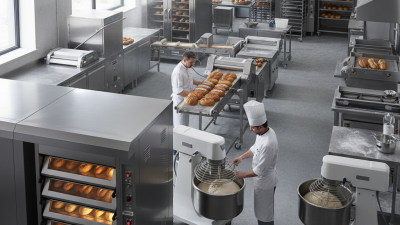
Choosing commercial bakery equipment is less about buying the biggest machines and more about building a reliable workflow. A small neighborhood bakery may need a dependable planetary mixer, convection oven, and refrigerated worktable. A high-volume bread operation may require spiral mixers, dough dividers, proofers, and rack ovens. The right setup depends on products, daily output, available space, staffing, and cleaning routines.
“The equipment should fit the product, the process, and the people using it.” This is a useful buying principle, but no source was supplied to verify it as a quotation from a named industry expert. I can’t responsibly attach a person’s name to an unverified quote. For a publishable introduction, provide a source or expert name, and the quotation can be checked before use.
There are practical details worth noticing. Measure doorways before ordering a large oven. Check whether a mixer bowl can handle your smallest batch, not just your largest one. Leave room for trays to cool without blocking the path to the proofer. A shiny machine is not automatically a good fit.
This guide explains the main types of commercial bakery equipment and what each one does. It also considers capacity, workflow, maintenance, and the costs that can be easy to overlook. Some choices remain imperfect. Production needs change, and a machine that suits today’s menu may constrain tomorrow’s.
Commercial Bakery Equipment: Main Categories and Functions
Commercial bakery equipment usually falls into preparation, baking, cooling, and finishing categories. Mixers combine dough, batter, and fillings; spiral models suit many doughs, while planetary mixers handle varied recipes. A dough divider or sheeter can make portions more consistent and reduce repetitive handwork. Stainless work tables, scales, and ingredient bins support orderly preparation. Small details matter.
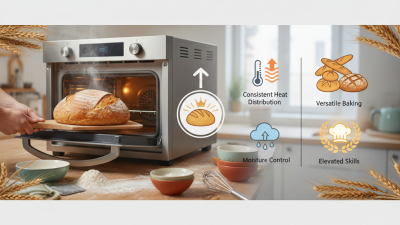
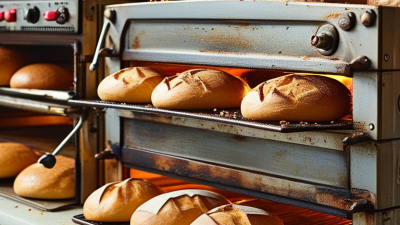
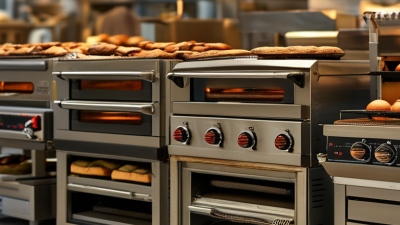
Proofers control warmth and humidity so shaped dough can rise more predictably. Ovens provide the heat that sets structure and develops crust or color; the right type depends on products, batch size, and available space. After baking, racks allow air to circulate around trays, helping pastries cool without trapping excess moisture. Refrigerators and freezers protect ingredients that require controlled storage, while display cases keep finished goods visible and at suitable serving conditions.
Finishing equipment may include slicers, depositor tools, and packaging scales. Cleaning sinks and dish machines help keep trays and utensils ready for the next production run. Ventilation also matters, especially near ovens, where heat can build quickly. A common planning mistake is buying for peak output before measuring doorways, utilities, and workflow. It is worth checking those constraints first. The ideal setup is not always the largest one; equipment should match the menu, staff skills, and daily production rhythm.
Mixers and Dough-Preparation Equipment
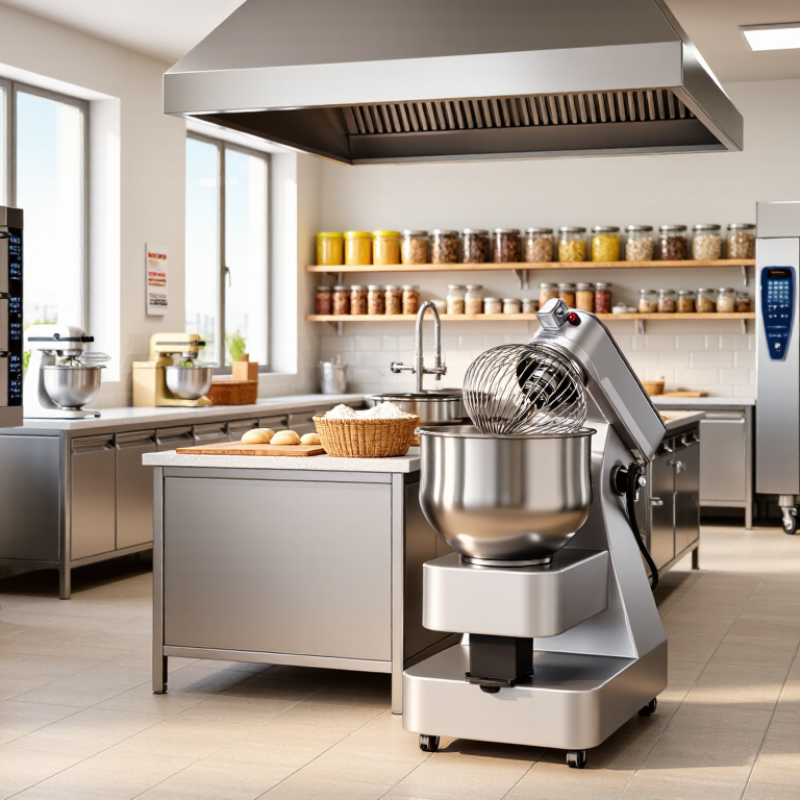
For a commercial bakery, choose a mixer based on your dough, batch size, and daily schedule—not its appearance. A spiral mixer suits many bread doughs, while a planetary mixer handles batters, icing, and smaller jobs. Capacity matters. Leave room for dough to move, and check that the machine can mix your smallest regular batch evenly. An oversized bowl can be awkward during a quiet shift; an undersized one may slow production at peak times.
Dough preparation also depends on what you make. Scales support consistent portions, while a divider can speed up portioning when production volume justifies it. A sheeter helps with laminated doughs and some flatbreads, but it may take up valuable space in a small bakery. Dough tubs, sturdy worktables, and a reliable proofing setup are less dramatic purchases, yet they shape the workflow. A layout may look efficient on paper and still create bottlenecks around the bench. Test the sequence with staff before settling on equipment placement.
Tips: Measure your busiest and smallest batches before comparing mixer capacity. Check cleaning access, attachment changes, and electrical requirements with a qualified installer. Keep a little room for growth—but not so much that daily batches mix poorly.
Commercial Bakery Mixers: Example Bowl Capacities
Nominal bowl sizes commonly found in commercial planetary and spiral mixers, shown as illustrative examples in quarts.
Choosing equipment: Planetary mixers are versatile for batters, fillings, and many doughs; spiral mixers are designed especially for bread and other doughs. Bowl volume is not the same as dough capacity—check the manufacturer’s dough-weight rating and consider your recipes, batch size, and production needs. Dough dividers and sheeters can support portioning and shaping after mixing.
Proofers, Retarders, and Dough-Handling Equipment
Proofers, retarders, and dough-handling equipment control how dough moves from mixing to baking. A proofer provides warm, humid conditions that help shaped dough rise without drying on the surface. Check temperature and humidity with reliable instruments; small changes can affect timing and texture. Watch the dough, not just the clock. A retarder slows fermentation through controlled cooling, making overnight production more manageable. Dough still needs a suitable schedule, since refrigeration does not stop fermentation completely.
One missed detail matters.
Dough-handling equipment may include dividers, rounders, sheeters, and conveyors. Dividers help keep portions consistent, while rounders create a smoother surface for proofing. Sheeters are useful for laminated dough, but settings that are too tight can tear layers or warm the dough. Choose equipment around your menu, batch size, and available floor space. Leave room for cleaning and safe movement between machines. Stainless surfaces and accessible guards can make routine care easier.
A bigger machine is not automatically better.
It is easy to underestimate how much dough handling depends on operator skill; even well-calibrated equipment cannot correct every inconsistency in mixing or dough temperature.
Packaging and Storage Equipment for Bakery Operations
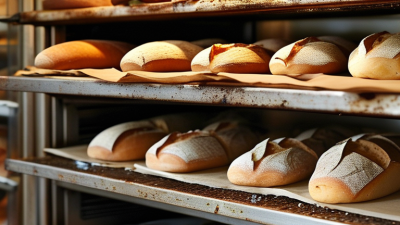
Packaging and storage equipment keeps finished goods protected after baking. A dependable setup may include cooling racks, food-safe storage bins, sealing equipment, and sturdy shelving. Cooling racks need enough space for air to circulate around trays. Packing warm bread too soon can trap steam and soften the crust. Small details matter.
Choose packaging that suits each product. Paper bags allow crusty loaves to breathe, while sealed bags help soft rolls retain moisture. Clear labels with product names and dates make stock easier to manage. Use shelving that stays dry and allows staff to clean underneath. Keep packaging materials away from ovens, sinks, and busy walkways. One common oversight is buying storage before measuring the room. Check doorways, aisle widths, and shelf capacity first.
Tips: Store ingredients and finished products separately. Use bins with tight-fitting lids, and label them clearly. Rotate stock by date, but check product quality rather than relying on labels alone. Review the layout during a busy shift; a system that looks tidy when empty may slow packing when orders pile up.