How to Choose the Best Commercial Rack Oven for Your Business?
Choosing the right commercial rack oven is crucial for any food business. In the fast-paced industry, ovens can impact efficiency and quality. According to the Foodservice Equipment & Supplies report, over 60% of commercial kitchens use rack ovens for consistent baking results. However, selecting the best oven requires careful consideration of several factors.
Quality and reliability should be at the forefront of your decision. The National Restaurant Association indicates that nearly 70% of operators prioritize durability in their equipment choices. A well-chosen commercial rack oven will not only ensure even baking but also enhance productivity. On the other hand, investing in a low-quality oven can lead to inconsistencies and increased operating costs.
It's essential to reflect on your specific needs. Various models offer different features, such as steam injection and programmable settings. Your choice influences not just food quality but also customer satisfaction. Research shows that 75% of diners return for consistent, high-quality dishes. Balancing features and budget is key to making a wise investment in a commercial rack oven.
Factors to Consider When Selecting a Commercial Rack Oven for Your Business
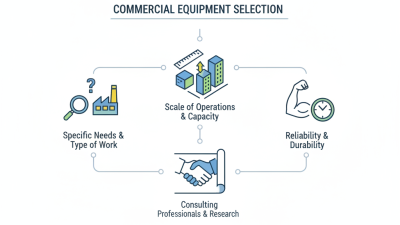
Selecting the right commercial rack oven is crucial for efficiency and quality. One key factor is the oven's capacity. The National Restaurant Association reports that 70% of restaurant owners prioritize space optimization. An oven that fits your kitchen layout enhances workflow. Measure your available space carefully to ensure a proper fit.
Another important consideration is temperature control. Robust ovens maintain consistent temperatures, which leads to uniform baking. Research from Foodservice Equipment Reports indicates that a reliable temperature variance can improve food quality significantly. Operators should look for ovens with digital temperature displays. This feature provides precise readings and reduces guessing.
Energy efficiency also cannot be overlooked. According to the U.S. Department of Energy, state-of-the-art ovens can use 20-30% less energy than older models. This not only lowers utility costs but also has a positive environmental impact. However, keep in mind that efficiency must not compromise cooking quality. Balancing these aspects requires careful evaluation of your specific needs and budget constraints.
Understanding Different Types of Commercial Rack Ovens and Their Uses
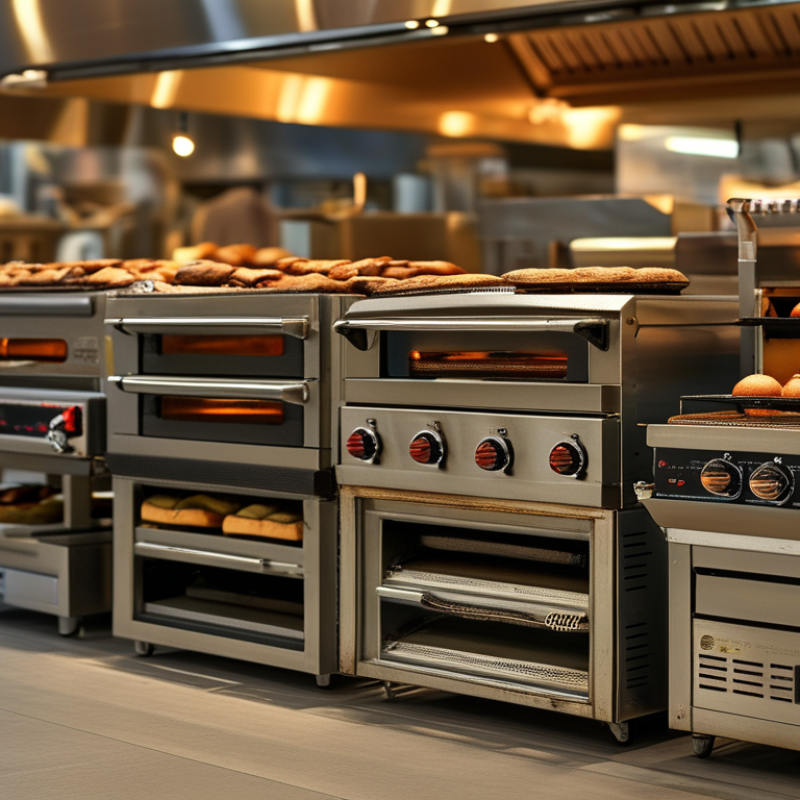
When selecting a commercial rack oven, understanding the different types available is crucial. There are several styles, including convection, combi, and deck ovens. Convection ovens use fans to circulate hot air, ensuring even baking. They are often preferred for pastries and cookies.
Combi ovens combine steam and convection heat, making them versatile for various foods. They can create moisture-rich environments for bread while crisping the outer layer.
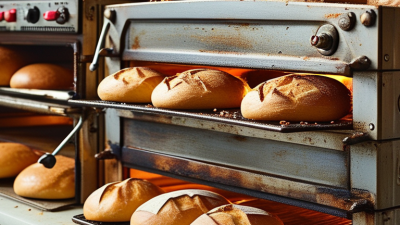
Deck ovens, on the other hand, are favored for their superior heat retention and stability. These ovens have stone or steel surfaces, offering excellent baking conditions for pizzas and artisan breads. Each type serves specific purposes. Understanding the cooking requirements of your menu can guide your choice in ovens.
However, it's essential to reflect on your business's unique needs. Evaluating kitchen space, output requirements, and energy efficiency is vital. Choosing the wrong oven can lead to inefficiencies and increased costs. Take the time to assess all options carefully. The right choice can enhance productivity and food quality in your establishment.
Evaluating Size and Capacity Requirements for Your Baking Operations
When selecting a commercial rack oven, size and capacity are crucial factors. You must assess your baking needs carefully. Start by determining the volume of baked goods your business produces daily. A small bakery may need an oven with limited capacity, while larger operations might require more. Consider the types of items you bake. Cakes, bread, and pastries have different space requirements.
Another aspect to contemplate is the physical dimensions of the oven. Ensure it fits your kitchen layout efficiently. A compact model may save space, but it could restrict your output. Measure the area in which you plan to install the oven. This includes checking for ventilation and electrical requirements. It’s important to acknowledge that more capacity can mean higher energy consumption. This can significantly affect operating costs.
Lastly, think about the future. As your business grows, you might need a larger oven. Plan for expansion when deciding on size now. It’s easy to underinvest and regret it later. Effective planning can save money and time down the line. Always aim for a balance between your current needs and future demands. Consider consultations with industry experts for tailored recommendations based on your unique context.
Energy Efficiency Ratings and Their Impact on Operating Costs
Energy efficiency ratings play a crucial role in the selection of commercial rack ovens. Businesses often underestimate these ratings when evaluating their operating costs. High energy efficiency can lead to substantial savings over time. For instance, a more efficient oven may consume less energy for the same output, which translates to lower utility bills.
Understanding the energy ratings can be complex. It’s vital to ensure you interpret them correctly. Many ovens display energy consumption in kilowatt-hours. However, the actual impact on your monthly expenses depends on how often you use the oven. A high-rated oven might seem expensive upfront, but it could pay off through reduced energy costs.
Not every business may find high-efficiency models compatible with their operational needs. Smaller establishments may not need the capacity of top-tier ovens. In such cases, investing in a fully energy-efficient model might not yield the intended savings. An evaluation of current energy costs and future projections is necessary. Balancing energy efficiency with actual production needs is key for any business looking to optimize long-term expenses.
Key Features to Look for in a High-Quality Commercial Rack Oven
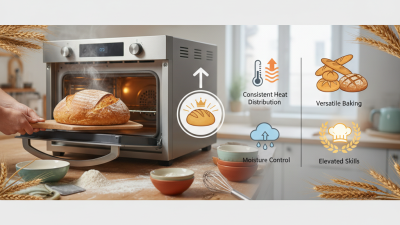
When selecting a commercial rack oven, focus on several key features that ensure high-quality performance. Temperature uniformity is critical. A report by the Association for Bakeware Manufacturers shows that even heat distribution can increase baking quality by 15%. Look for ovens with advanced heating elements. These elements enhance consistency and reduce baking time.
Next, consider the size and capacity of the oven. A commercial kitchen may need an oven that accommodates larger batches. Analyze your output demands. An oven with adjustable racks allows versatility for different recipes. Many businesses overlook this feature, which can limit production efficiency.
Ease of use also matters. User-friendly controls are essential for staff training and daily operations. An intuitive interface can reduce the learning curve. Regular maintenance is crucial as well. Research indicates that maintenance neglect can shorten the life of commercial ovens by up to 30%. Investing in an oven with clear maintenance guidelines can prevent costly repairs down the line.
Key Features to Look for in a High-Quality Commercial Rack Oven