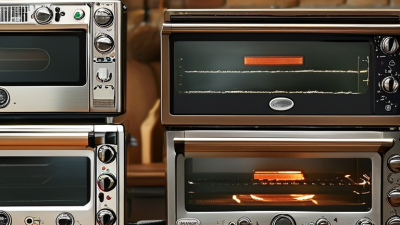
10 Best Electric Ovens to Buy in 2026
Choosing an electric oven in 2026 is about more than finding the biggest cavity or the longest feature list. The right model should suit your cooking habits, kitchen space, and budget. Some households need even heat for weekend baking; others want fast preheating and simple controls for everyday dinners. Small details matter. Rack positions, door visibility, and how easily spills wipe away can shape daily use.
This guide to the 10 best electric ovens compares practical features, including capacity, heating modes, cleaning options, and control design. It also considers installation requirements and the differences between freestanding and built-in models. For anyone searching oven electric, the goal is a clearer shortlist, not a promise that one appliance fits every home. Manufacturer specifications can change, and advertised performance may not reflect every kitchen’s wiring, cookware, or cooking style. Check the current product details before buying.
A lower-priced oven may cover the basics well, while a premium model may offer useful precision or convenience. But extra modes are not automatically better. Think about the meals you actually make, and whether the controls feel intuitive. This can be surprisingly personal. The best choice is the one that balances dependable cooking, sensible features, and a price you can live with—not simply the model with the boldest claims.
Classify Electric Ovens by Type, Installation, and 2026 Cooking Needs
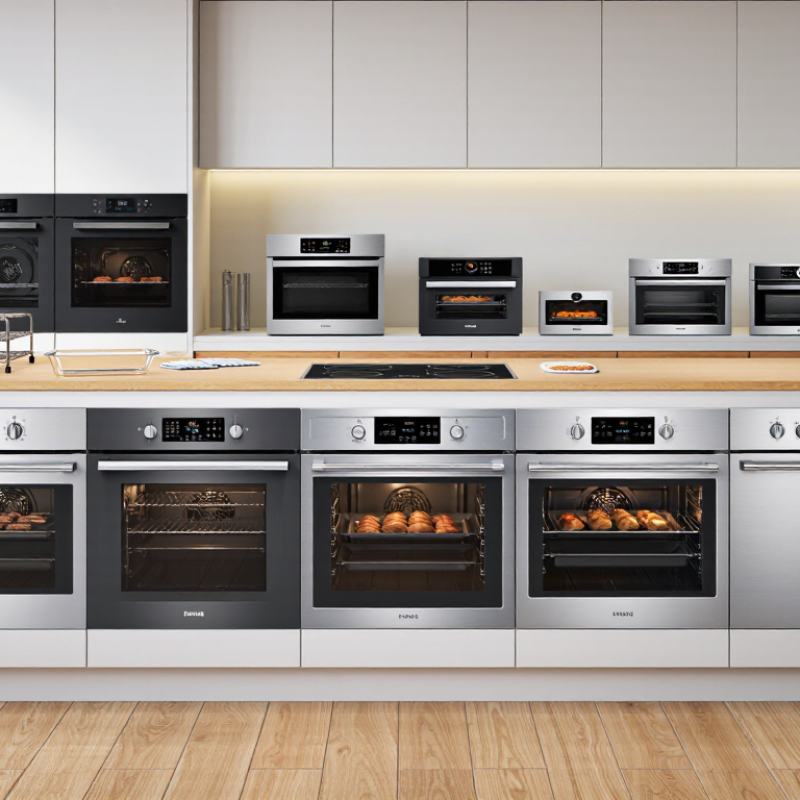
Electric ovens are easier to compare by cooking method and installation, not by feature count. Conventional models use heating elements, while convection models circulate hot air to help food brown more evenly. The U.S. Energy Information Administration’s 2020 Residential Energy Consumption Survey reported that electricity was the primary cooking fuel in about 38% of U.S. homes. That figure offers useful context, but it does not mean every household needs the same oven. Small kitchens differ. A freestanding range combines an oven and cooktop. A wall oven frees counter-level workspace but needs a matching cabinet opening and suitable electrical connections.
Match the format to your 2026 cooking habits. A compact 24-inch oven may suit an apartment and weeknight meals; a larger cavity can fit sheet pans and holiday roasts. Convection helps when cooking on multiple racks, while a conventional oven may suit occasional baking. Air-fry modes can be convenient, but compare the usable tray area before paying extra. Check capacity, rack positions, control visibility, cleaning options, and the installation manual’s electrical requirements. Measure the opening before ordering. Replacing a range is generally simpler than adapting cabinetry for a built-in oven. One detail is easy to miss: listed capacity is not the same as usable cooking space, especially with bulky racks.
Compare Capacity, Convection, Air-Fry, and Self-Cleaning Features
Choosing an electric oven is easier when you compare the features you will actually use. Capacity matters. A compact oven can suit a small kitchen or a couple, while a larger cavity gives roasting pans and multiple trays more room. Check the usable interior dimensions, not just the listed capacity. A wide dish may still block airflow or sit awkwardly on the rack.
Convection uses a fan to circulate heated air, which can help food cook more evenly across several shelves. Heat moves differently. If you often bake cookies or roast vegetables, look for clear guidance on rack placement and temperature adjustments. An air-fry setting may crisp potatoes or chicken without a separate countertop appliance, but basket size and airflow vary. I have sometimes treated “air fry” as a guarantee of crisp results; it is not. Crowded food can turn soft.
Self-cleaning options range from high-heat cycles to lower-temperature cleaning systems. Consider the time, ventilation, and care each method requires, along with whether racks must be removed. Read the manual before relying on a feature name alone. Also compare controls, door visibility, and how easily you can reach the back corners. A showroom can make an oven look roomy; measuring your favorite baking sheet at home is a more useful test.
Evaluate Baking Performance Using IEC 60350-1:2016 Test Methods
A credible 2026 oven comparison should start with repeatable tests, not a glossy promise of “perfect baking.” IEC 60350-1:2016 sets methods for evaluating household electric ovens, including baking performance and energy use. Compare results gathered under the same settings: preheat time, energy consumed, and how evenly baked goods brown across a tray. The numbers matter. A pale corner beside a dark one is easy to see, but a standardized test makes that difference easier to compare between ovens.
When assessing published results, check the test conditions as carefully as the scores. The U.S. Department of Energy’s cooking-products test procedure also uses prescribed conditions to measure energy consumption, helping readers avoid comparisons based on mismatched settings. Look for the oven mode, temperature, load, and whether the result comes from a single run. IEC results can guide a shortlist, but home baking adds variables: pan material, rack position, and even a draft near the door. Small details matter. A tidy browning score can still hide uneven heat on a crowded tray, so treat the standard as a strong reference—not a guarantee of every kitchen’s results.
Check 240-V Supply and 30-Inch Fit Against Manufacturer Specifications
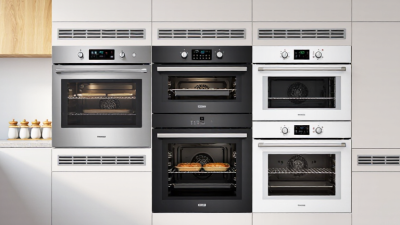
A 30-inch label is only a starting point. Measure the actual opening, including width, height, and depth, then compare each figure with the installation manual for the exact oven model. Wall ovens and freestanding ranges have different fitting requirements. Check cabinet clearances, door swing, and ventilation too.
Measure twice.
The electrical supply needs the same scrutiny. Many full-size electric ovens require a 240-volt circuit, but voltage alone does not confirm compatibility. The manual specifies circuit amperage, wiring, and connection type; an existing outlet may not meet those requirements. The U.S. Energy Information Administration’s 2020 Residential Energy Consumption Survey found electricity was the primary cooking fuel in about six in ten U.S. homes. That widespread use does not make every kitchen installation interchangeable.
Before buying, photograph the outlet and the space, then compare them with the manufacturer’s specifications. Check the oven’s rating plate and installation guide, not a retailer’s headline dimensions. If circuit capacity is unclear, ask a qualified electrician to verify it before delivery. A small mismatch can mean delayed installation—or cabinet changes I had not planned for.
Check again.
Rank the 10 Best Ovens by Performance, Features, and Ownership Needs
A useful 2026 ranking should weigh even baking, temperature recovery, usable capacity, and long-term ownership—not feature counts alone. The U.S. Department of Energy’s Energy Saver estimates cooking uses about 4% of household energy, so efficiency matters, but reliability and fit matter every week. Its standardized oven test procedures also offer a fair basis for comparing energy use. A ranking is helpful, not perfect.
For steady results, a convection wall oven with accurate controls takes the top spot; a convection range oven follows for households needing one appliance for cooking and baking. A double oven suits frequent batch cooking, while a compact built-in earns fourth for smaller kitchens. Steam-assist models rank fifth for cooks who value moisture retention. Next come ovens with useful air-fry settings, then self-cleaning models for owners willing to trade convenience for higher purchase and maintenance costs. A straightforward radiant oven ranks eighth for simple needs; accessible controls place ninth. A basic, lower-cost model takes tenth when its capacity and temperature consistency meet the owner’s routine.
The U.S. Energy Information Administration’s Residential Energy Consumption Survey tracks household cooking fuels and regional differences. That context matters: check your home’s electrical supply, installation requirements, and service access before comparing features. Measure the cabinet opening, too. A few millimeters can complicate a replacement. Don’t pay extra for modes you rarely use; prioritize a clear display, stable racks, and a door that stays cool enough around children. Real kitchens are messy tests, and published rankings cannot fully predict yours.