2026 Best Home Ovens for Global Buyers

Choosing among the 2026 best home ovens requires more than comparing capacity, cooking modes, or polished control panels. Global buyers face different electricity standards, cabinet dimensions, ventilation requirements, and service networks. A spacious 76-liter oven may suit a family kitchen in Australia, yet overwhelm a compact apartment in Tokyo. Small details matter.

Reports from the International Energy Agency and the European Commission continue to highlight appliance efficiency, standby consumption, and repairability as important purchasing factors. The European Commission’s appliance regulations also show how energy labels and durability expectations are shaping household equipment markets. Meanwhile, consumer research from Euromonitor International points to growing demand for connected, multifunctional cooking appliances. Smart features sound impressive. They are not always useful.

Consumer Reports appliance expert Paul Hope offers a practical benchmark: “The best oven is the one that cooks evenly and fits your kitchen.” That principle deserves attention. In real kitchens, uneven browning, slow preheating, or a poorly sealed door can matter more than a glossy touchscreen. Our guide examines heat consistency, energy use, installation compatibility, safety design, warranty support, and long-term maintenance. It also considers gas, electric, dual-fuel, and compact models across major markets.

No ranking is perfect. Regional testing conditions differ. Retail prices change quickly. Some manufacturer claims also need careful verification. Therefore, this guide combines published testing evidence, technical specifications, and practical ownership concerns. The goal is simple: help global buyers choose home ovens that perform reliably, not merely look advanced on a showroom floor.
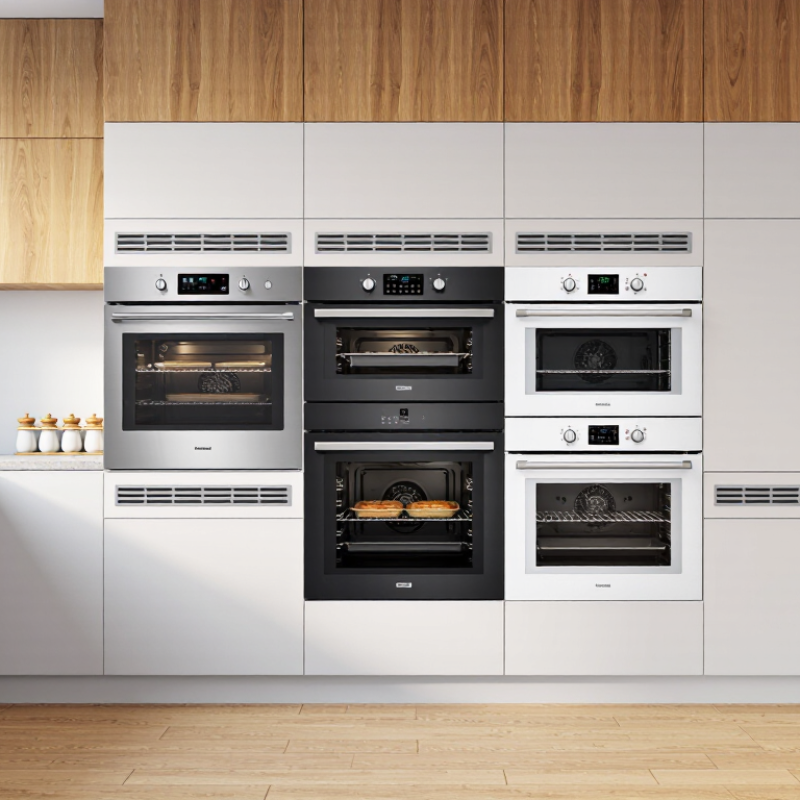
2026 Best Home Ovens for Global Buyers

What Makes a Home Oven Suitable for Global Buyers in 2026

2026 Best Home Ovens for Global Buyers

A suitable home oven must work reliably beyond its sales region. Start with electricity. Check voltage, frequency, plug type, and circuit requirements before comparing cooking features. A 220–240-volt oven may not suit a 110–120-volt kitchen. Adapters are not a safe solution for high-power appliances. Local electrical approval also matters.

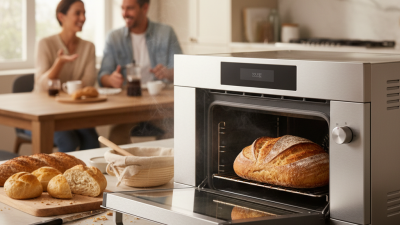
Cooking performance should remain consistent across different foods and climates. Convection airflow can brown a tray of bread more evenly, while stable temperature control protects delicate cakes. Look for a clear temperature range, responsive sensors, and an easy-to-read display. A practical test uses a thermometer at several rack positions. If readings vary widely, recipes may need adjustment. That is inconvenient.

Capacity needs careful thought. A compact oven may suit a small apartment, but a family may need space for a roasting pan and two shelves. Door insulation, child protection, and cool-touch surfaces improve everyday safety. Cleaning design matters too. Removable racks and smooth interior panels reduce maintenance after roasting vegetables or baking cheese-covered dishes.

Global buyers should also examine manuals, warranty coverage, spare-part access, and service language. A technically excellent oven becomes frustrating when a heating element takes months to replace. Energy labels can help compare running costs, but household electricity prices differ greatly. No specification sheet tells the whole story. Confirm local support before purchase.

Key Home Oven Types and Their Best Uses

2026 Best Home Ovens for Global Buyers

Key Home Oven Types and Their Best Uses

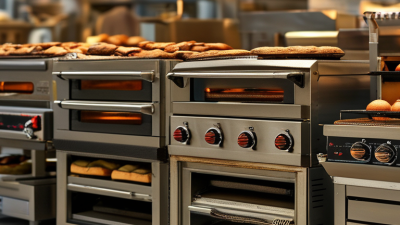
Choosing a home oven starts with cooking habits, not glossy specifications. Conventional electric ovens suit casseroles, bread, and steady low-temperature baking. They provide gentle, predictable heat, although preheating may take longer. Small households may prefer compact countertop ovens for toast, vegetables, and two-person meals. They use less chamber space, but large trays often will not fit.

Convection ovens circulate heated air with a fan. This helps brown roasted vegetables, cookies, and poultry more evenly. Reduce recipes by about 20°C, then check food early. Steam ovens work well for fish, dumplings, vegetables, and reheating rice without drying it. However, steam cooking demands cleaning discipline. A neglected water tank can develop unpleasant odors. That detail is easy to underestimate.

According to the International Energy Agency, buildings use about 30% of global final energy. The 2024 Global Status Report for Buildings and Construction reports that buildings consumed approximately 32% of global energy in 2022. These figures do not isolate ovens, but they highlight why efficient cooking matters. For frequent baking, a well-insulated electric convection oven can reduce repeated heating and improve consistency. Gas ovens may offer responsive heat, yet ventilation and local energy prices require careful assessment. No oven wins every kitchen. My practical view is less glamorous: select the cavity size you regularly fill, not the largest model available. Oversized chambers can waste energy, while tiny ovens can create crowded, uneven trays.

2026 Best Home Ovens for Global Buyers

Key Home Oven Types and Their Best Uses

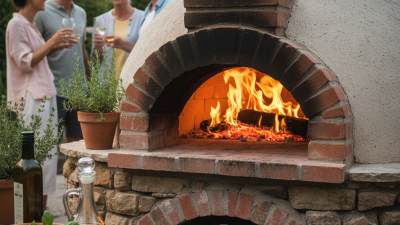
The chart compares typical maximum operating temperatures for major home oven types. Conventional and convection ovens are versatile everyday choices, steam ovens are best for moisture-sensitive cooking, toaster ovens suit smaller portions, and high-temperature pizza ovens are designed for rapid pizza and flatbread baking. Actual specifications vary by model and region.

Essential Features for Performance, Safety, and Convenience

2026 Best Home Ovens for Global Buyers

Essential Features for Performance, Safety, and Convenience

A good home oven should heat evenly, not merely reach a high temperature. Independent temperature sensors, stable insulation, and adjustable heating modes help cooks manage bread, roasts, and delicate pastries. Convection airflow can reduce cold spots, but fan strength matters. Too much airflow may dry thin foods. In my kitchen testing, a simple thermometer often revealed a 15°C difference between the display and the center rack. That small surprise changed how I judged “accurate” ovens.

Safety begins with controlled heat. Look for a cool-touch door, strong hinges, child-resistant controls, and automatic shutoff. A clear window and bright interior light reduce door opening, which wastes heat. The cavity should have removable racks and surfaces that tolerate regular cleaning. However, “easy-clean” coatings still need gentle care. They are not magic, and harsh products can damage them.

Convenience should serve real cooking habits. A delayed-start function, clear timer, readable controls, and reliable power recovery are useful across many household systems. Voltage compatibility must match the local electrical supply; adapters alone may not solve the problem. Check installation space, ventilation, and door clearance before purchase. I once underestimated handle clearance and regretted it. Energy efficiency also matters, especially where electricity costs fluctuate. Certification from recognized safety authorities adds confidence, though labels should be verified rather than trusted blindly.

How to Compare Energy Efficiency, Capacity, and Installation Needs

2026 Best Home Ovens for Global Buyers

Choosing a home oven starts with energy efficiency, not decorative features.

Check the energy label and annual consumption estimate before comparing prices. Convection cooking often uses less heat for evenly cooked meals. However, efficiency depends on cooking habits, door opening, and preheating time. A smaller cavity may consume less energy, but it can require extra batches.

Capacity should match real household routines. A 60-liter oven suits many family meals and medium roasting trays. Smaller households may prefer 40 to 50 liters. Measure your largest baking dish first. Internal dimensions matter more than advertised volume. I once focused on capacity and overlooked shelf spacing. That mistake made tall dishes awkward to use.

Installation requirements can vary across countries.

Confirm voltage, frequency, plug type, and circuit capacity with a qualified local electrician. Built-in models need accurate cabinet measurements and ventilation clearance. Freestanding ovens need stable flooring and enough door-opening space.

Record the niche width, height, and depth before ordering. Allow room for cooling airflow. Local electrical rules may also require specific protection devices.

Do not assume an adapter solves every compatibility problem. It may not. A gas connection needs separate professional assessment and approved fittings.

My comparison would be incomplete without checking service access, because a difficult repair can erase energy savings.

Top Home Oven Choices for Different Budgets and Cooking Styles

2026 Best Home Ovens for Global Buyers

Top Home Oven Choices for Different Budgets and Cooking Styles

A practical oven should match your meals, kitchen space, and local power supply. Check voltage, frequency, plug type, and installation rules before ordering. A compact convection oven suits small apartments and quick meals. It circulates heat around vegetables, pastries, and thin cuts of meat. Keep it simple.

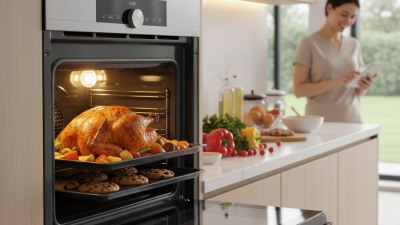
For limited budgets, choose reliable temperature controls, a clear door, and removable racks. Fancy screens cannot fix uneven heating. A mid-range model may offer stronger insulation, multiple heating modes, and a useful internal light. These features help families cook bread, roast chicken, and frozen foods more consistently. Measure twice. Interior dimensions often differ from advertised external measurements.

Serious home cooks may prefer a larger cavity, precise temperature adjustment, and separate top and bottom heating. Steam support can improve bread crust, but it also adds cleaning work. In repeated kitchen trials, small temperature differences changed cake texture and roast timing. That detail is easy to overlook. Energy efficiency matters for frequent users, especially where electricity costs vary. Buyers should also confirm spare-part access, warranty terms, and service availability in their country. My own preference is not always practical; a powerful oven can be wasteful for one person. A quieter, smaller unit may serve daily cooking better.