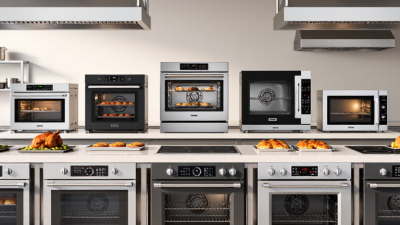
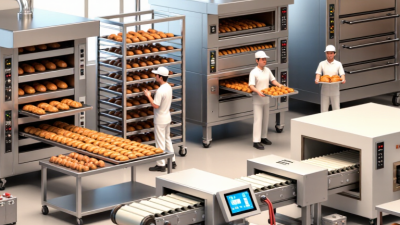
What Is the Best Commercial Rack Oven from China?
Choosing the best commercial rack oven from China requires more than comparing prices or polished product photos. A bakery owner must examine heat distribution, steam performance, rack compatibility, insulation, controls, and after-sales support. These details become visible during production, when trays enter at 5 a.m. and the oven must repeat the same result for hours.
Jeffrey Hamelman, a respected bread educator and former King Arthur Baking Company bakery director, describes the oven as “the heart of the bakery.” That idea matters here. A commercial rack oven should protect product quality while reducing wasted energy, uneven browning, and unnecessary labor. In practical testing, buyers should inspect door sealing, recovery time after loading, airflow around the rack, and the clarity of temperature controls. Ask for test-bake records, electrical specifications, warranty terms, and installation requirements. Ask again.
Chinese manufacturers offer many configurations, including electric, gas, diesel, and hybrid systems. Some provide strong customization, stainless-steel interiors, programmable recipes, and remote technical assistance. However, attractive specifications do not guarantee dependable operation. A lower purchase price may hide shipping complexity, spare-parts delays, or limited local service. This is where evaluation becomes less comfortable. Even experienced buyers can overvalue appearance and overlook maintenance access.
This guide compares leading options through measurable performance, construction quality, operating cost, safety features, and supplier reliability. It also considers different bakery sizes, from small pastry shops to high-volume bread production. The “best” commercial rack oven is not automatically the most powerful model. It is the machine that matches your products, workflow, utilities, staff skills, and long-term service expectations. Real results matter more than promises.
What Is a Commercial Rack Oven and How Does It Work?
What Is the Best Commercial Rack Oven from China?
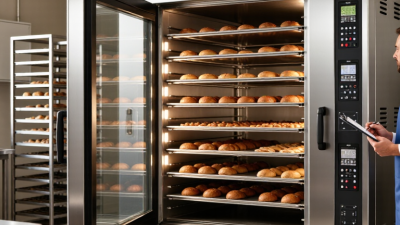
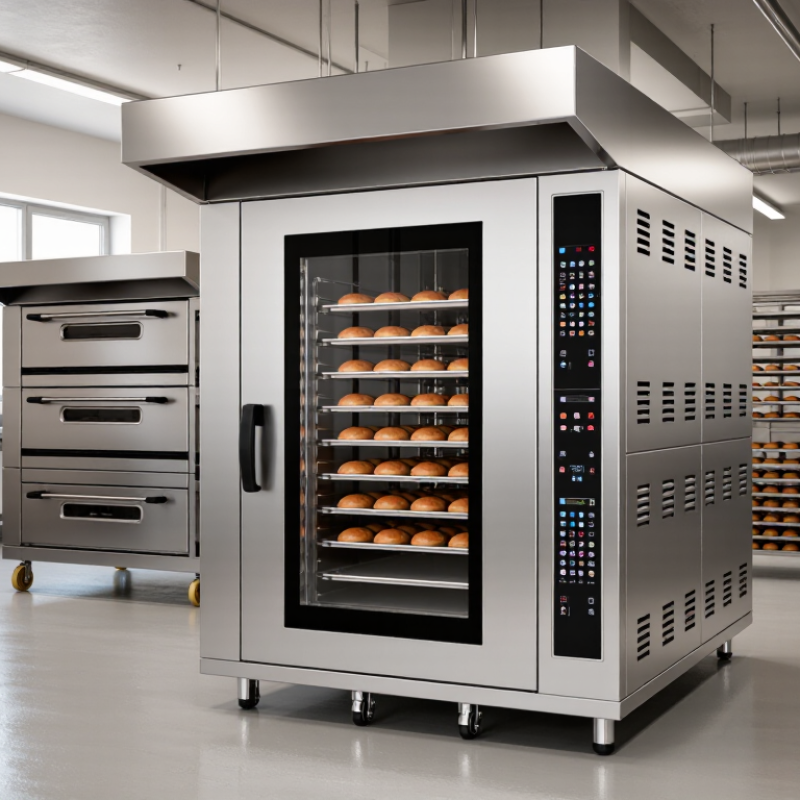
A commercial rack oven is a large baking chamber built around a wheeled rack. The operator loads trays, rolls the rack inside, and closes the insulated door. Heated air then circulates around every tray. This process reduces hot spots and keeps production more consistent than many deck ovens.
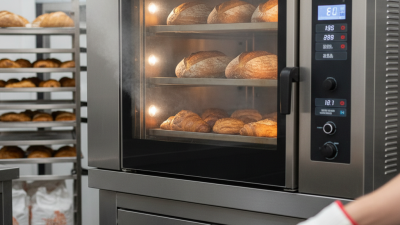
Most models combine convection airflow with steam injection. Steam delays crust formation, helping bread expand before developing a firm surface. A programmable controller manages temperature, baking time, fan speed, and steam quantity.
Grand View Research valued the global bakery equipment market at about USD 13.6 billion in 2022 and forecasts continued growth through 2030. That growth reflects demand for repeatable output, not simply larger machines.
For a Chinese commercial rack oven, compare usable rack size, heating method, airflow balance, insulation, and recovery time.
Check whether the oven returns quickly to temperature after loading a cold rack.
The U.S. Department of Energy reports that efficient commercial cooking equipment can reduce operating energy use, but real savings depend on loading habits and maintenance. A useful test is to record energy consumption across several full baking cycles. One test is not enough.
I would also question impressive capacity claims without proof of even browning. Ask for temperature mapping, electrical or gas specifications, spare-parts support, and documentation for local installation requirements. The cheapest oven may become expensive when seals, sensors, or controllers fail.
How to Compare Chinese Commercial Rack Oven Types
Choosing the best commercial rack oven from China requires comparing oven types, not only prices.
Electric models offer stable heat and simpler installation. Gas models may reduce cooking costs where fuel is affordable. Rotary rack ovens improve airflow around loaded trays. Steam-injection models support crusty bread and consistent moisture. Capacity matters. Confirm tray size, trolley height, voltage, and phase before requesting quotations.
ENERGY STAR reports that certified commercial ovens can use about 20% less energy than standard models.
This figure is useful, but it is not a rack-oven guarantee. Ask suppliers for tested energy consumption, recovery time, and heat-loss data. A 16-tray oven may look efficient, yet slow recovery can reduce output during busy hours. Watch the first batch after loading. That reveals more than a brochure.
Compare insulation thickness, door sealing, fan speed, steam control, and cleaning access. Electric units suit bakeries with reliable power and strict indoor emission limits. Gas units need suitable ventilation, fuel pressure, and professional installation. NFPA 96 guidance also makes exhaust planning important for commercial cooking areas. Local safety rules still decide final suitability. I would request independent test records under the same loading conditions. Supplier claims can be optimistic. Service response, spare-part availability, and controller documentation deserve equal attention. A cheaper oven becomes expensive when downtime interrupts production.
Which Industries Need Different Rack Oven Configurations?
What Is the Best Commercial Rack Oven from China? The answer changes by industry. An artisan bakery needs strong steam injection, gentle airflow, and flexible baking profiles. Small batches often benefit from a compact, single-rack chamber. Supermarkets need faster loading, repeatability, and controls for less-trained staff. Hotels and restaurants may prefer gas heating, quiet operation, and a smaller footprint. Mordor Intelligence estimated the commercial bakery equipment market at about US$12.9 billion in 2024, with continued growth through 2029.
Frozen-dough factories require stable airflow, precise temperature recovery, and programmable recipes. Central commissaries need larger capacity, durable doors, and simple sanitation access. Pizza kitchens may value rapid preheating more than delicate steam control. Rack dimensions must match existing trays, lifts, and production routes. IEA’s Energy Efficiency 2023 report states that buildings use about 30% of global final energy. Therefore, insulation, idle-mode consumption, and heat recovery deserve attention. A low purchase price can hide higher operating costs.
Tips: Request real test-bake records using your dough, tray load, and target temperature. Check steam recovery after repeated door openings. Ask for spare-parts availability and service response times. Certifications should match the destination market. My own bias is favoring automation, but smaller bakeries may gain more from simple controls. Perfect configurations rarely exist.
How to Choose the Best Chinese Commercial Rack Oven for Your Bakery
How to Choose the Best Chinese Commercial Rack Oven for Your Bakery
Choosing a Chinese commercial rack oven should begin with production evidence, not a low quotation. Grand View Research projects the global bakery equipment market to grow at roughly 5% annually through 2030. That growth reflects rising automation and higher output expectations. Measure your busiest shift first. Record rack size, tray dimensions, bake time, and recovery time after loading. A 16-tray oven may suit a small pastry shop, while a 32-tray model could waste energy during quiet hours. Think in batches.
Ask the manufacturer for test-bake records using your dough, not generic bread. Check temperature recovery after the door opens. Inspect steam distribution, fan noise, insulation thickness, and burner or heating-element access. A 304 stainless-steel chamber is common, but steel grade alone does not prove durability. The International Energy Agency continues to identify industrial energy efficiency as a major cost priority, so request energy use per bake cycle. Compare real measurements, carefully.
Look for documented electrical data, safety protection, wiring diagrams, spare-parts availability, and technician response times. Local certification requirements must be verified before purchase. A remote factory video call can reveal assembly details, but it cannot replace an on-site inspection. Some reports estimate the bakery equipment market differently because they use different product definitions. That matters. Treat market figures as direction, not proof. Your own trial batch remains the most reliable test. Test croissants, lean bread, and dense loaves. One oven may excel at one product and disappoint badly at another.