Why Are Pizza Stoves Popular With Global Buyers?
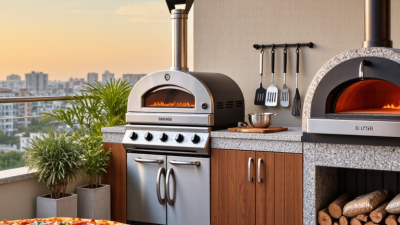
Pizza stoves are attracting global buyers because they bring high heat, fast cooking, and a distinctive open-flame experience to commercial kitchens and outdoor spaces. A compact oven can turn dough, sauce, and fresh toppings into a crisp pizza in minutes. For restaurants, caterers, and hospitality businesses, that performance can support quicker service and a memorable customer experience. Looks matter, too.
Industry reports offer useful context. Grand View Research’s Pizza Oven Market analysis examines demand, product types, and regional market trends, while PMQ’s annual Pizza Power Report tracks the wider pizza business and its operators. Together, these sources help explain why buyers consider more than purchase price. Fuel type, cooking capacity, installation needs, maintenance, and local customer preferences all affect a stove’s long-term value. A wood-fired model may suit a venue built around live cooking; a gas or electric unit may better fit a kitchen prioritizing predictable operation.
Still, market growth alone cannot explain every buying decision. Reports often rely on defined categories and available market data, which may not capture the needs of a small café or a seasonal food business. The practical details matter: Can staff maintain steady heat during a rush? Will the oven fit the space? Are parts and service accessible? Those questions are less glamorous, but they can shape the real return on investment. This article explores why pizza stoves appeal to buyers worldwide—and where careful evaluation matters as much as the cooking results.
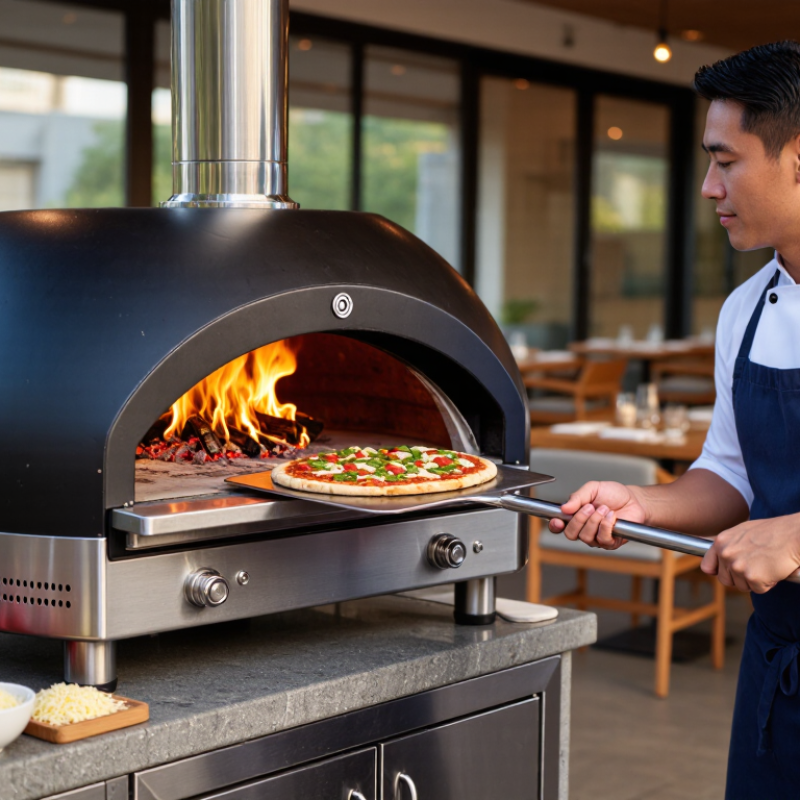
What Pizza Stoves Are: Deck, Conveyor, Wood-Fired, and Gas Designs
Pizza stoves suit different kitchens because one design cannot serve every menu or service rhythm. Fortune Business Insights valued the global pizza market at USD 197.7 billion in 2023 and projected USD 282.7 billion by 2032. That growth supports demand for flexible cooking equipment, but it does not mean every oven fits every buyer. Demand is broad.
Deck ovens bake pizzas on heated stone or steel surfaces. Their steady floor heat helps form a crisp base, while staff control each pie’s position and timing. They work well for varied orders, though busy teams must manage loading carefully.
A conveyor oven moves pizzas through a heated chamber at a set speed. It can keep output consistent during a rush, but offers less hands-on control over each pie.
Wood-fired ovens bring live flame, radiant heat, and a smoky aroma. They can produce blistered crusts quickly, yet require skilled tending and steady fuel handling.
Gas ovens offer adjustable heat and simpler day-to-day control. They may suit kitchens that value predictable operation over fire-led flavor.
No design is perfect. A fast oven can still produce a poor crust if dough, temperature, or timing is off.
How AVPN’s 430–480°C Standard Cooks Neapolitan Pizza in 60–90 Seconds
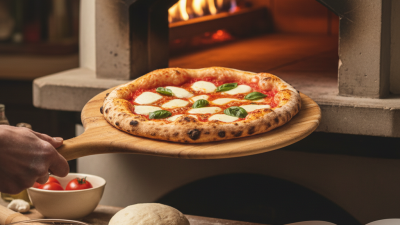
A pizza stove’s appeal is speed with a distinct texture. AVPN’s published Neapolitan pizza regulations specify an oven temperature of 430–480°C and a cooking time of 60–90 seconds. At this heat, the rim rises quickly, while brief contact with the hot floor sets the base. Dark leopard-like spots may appear. The center stays soft, not cracker-dry. That contrast is the point.
The specification is a useful benchmark, not a guarantee: dough hydration, topping moisture, and oven recovery all affect the result. A crowded oven can lose heat between bakes. Even a few degrees matter. Industry buyers value high-temperature stoves because they can support rapid service and a traditional bake, but staff still need practice. Fast does not mean effortless.
Tips: Preheat fully and check the floor with an infrared thermometer. Turn the pizza as it bakes, watching the rim rather than relying only on the timer. Keep toppings measured; watery ingredients can leave the center soggy. Record temperature and bake time for each test. It’s easy to overlook recovery time.
Why Are Pizza Stoves Popular With Global Buyers?
Neapolitan pizza baking time: the 60–90 second window at the stated AVPN oven temperature standard of 430–480°C.
The chart shows the lower and upper ends of the 60–90 second baking window. The short cooking time depends on the high oven temperature range, which helps produce a quickly baked Neapolitan-style pizza.
Why Wood, Gas, and Electric Models Suit Different Markets
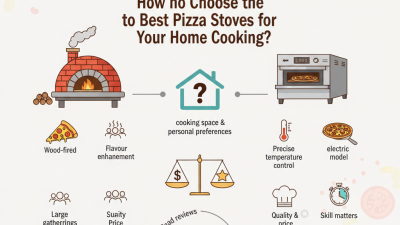
Wood, gas, and electric pizza stoves suit different markets because kitchens have different space, utilities, and service rhythms. Wood-fired models deliver intense heat and smoky flavor, appealing to restaurants where the baking process is part of the experience. They also need fuel storage, suitable ventilation, and staff who can manage changing flames. Gas models heat quickly and allow straightforward temperature adjustments, making them practical for busy kitchens with reliable gas supply. Electric models offer consistent controls and can fit compact sites, but available power and ventilation still matter.
The National Restaurant Association’s 2024 State of the Restaurant Industry report forecast U.S. restaurant sales of $1.1 trillion, highlighting the scale and variety of food-service operations. Meanwhile, the International Energy Agency’s Electricity 2024 report projected global electricity demand growth averaging 3.4% annually from 2024 to 2026. That wider trend makes electric equipment relevant in some markets, though a growing grid does not guarantee sufficient capacity at every site. There is no perfect match; even a well-controlled oven can disappoint if service demand outpaces its output.
Tips: Check fuel access, electrical capacity, ventilation, and expected pizzas per hour before choosing. Test a realistic service load, not just one ideal bake. Small details matter.
How High-Temperature Baking Supports Fast Service and Consistent Results
High-temperature baking compresses cooking into minutes, helping busy kitchens serve more orders without holding pies under lamps. The Associazione Verace Pizza Napoletana’s technical rules specify oven temperatures of 430–480°C and baking times of 60–90 seconds for Neapolitan pizza. That is a defined style, not a universal setting. Still, it shows how intense heat can cook the crust quickly while keeping the center tender. Fast, but demanding.
Speed alone does not guarantee consistency. A pale patch beneath a pizza may signal a cool oven floor; a scorched rim can point to uneven heat or excessive turning delay. Staff need to watch floor recovery, portion toppings evenly, and rotate pies when heat is uneven. Small details matter. PMQ’s 2024 Pizza Power Report estimated U.S. pizza sales at about $46.9 billion in 2023, a scale that helps explain operators’ interest in reliable throughput. Yet high heat leaves little room for sloppy timing. Even experienced crews can misjudge a crowded oven. That part is easy to underestimate.
What Global Buyers Compare: Capacity, Fuel, Installation, and Operating Costs
Global buyers often match oven capacity to the busiest service period, not the average day. A unit sized for six pizzas per batch may still slow a queue if it takes too long to recover heat between loads. Ask for tested output, cooking time, and recovery data under realistic conditions. Numbers need context.
Fuel choice changes more than the energy bill. Gas ovens can offer quick heat control where supply is reliable, while electric models may simplify daily operation. Wood-fired ovens call for fuel storage, ash removal, and staff who can manage changing heat. Check utility capacity, ventilation needs, and installation clearances before ordering. Site work surprises people.
Compare annual operating costs, including energy, cleaning, maintenance, replacement parts, and labor. Request consumption estimates based on your expected workload, then review them with an installer or experienced operator. Delivery access matters too: a narrow doorway or weak floor may require extra lifting equipment or building work. Some estimates remain imperfect. Actual use varies with the menu, room temperature, and staff habits, so treat projections as planning tools rather than guarantees.