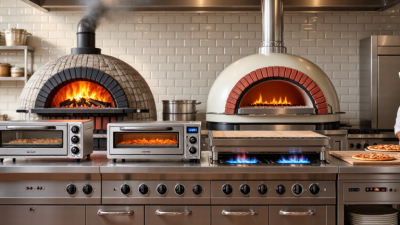
Choosing the best pizza oven depends on where it will work, how often it will run, and what pizza you want to serve. A compact electric oven may suit a home kitchen with limited space. A commercial deck or conveyor oven must handle repeated baking, fast recovery, and demanding service periods. Heat retention matters. So do temperature control, insulation, cleaning access, ventilation, and electrical or gas requirements.
Chris Bianco, the James Beard Award-winning pizzaiolo, has often expressed a simple principle: “The best pizza is made with the best ingredients.” His point also applies to equipment. Even excellent dough can fail in an oven with uneven heat or a weak baking surface. That sounds obvious. It is not.
This guide compares pizza ovens for home cooks, caterers, restaurants, and busy pizzerias. It examines wood-fired, gas, electric, and hybrid designs. Each option creates a different workflow, flavor profile, and maintenance burden. Wood can add aroma, but it demands skill and consistent fuel. Gas offers control, while electric models may provide cleaner, simpler operation. Commercial buyers should also consider certifications, installation rules, peak-hour capacity, and long-term service support.
There is no perfect oven. A model that excels on a patio may struggle during a dinner rush. Some specifications look impressive but reveal little about real-world recovery. Small compromises can become expensive habits. The strongest choice balances performance, safety, budget, available space, and the baker’s actual experience. Expect a few trade-offs. That is part of buying wisely.
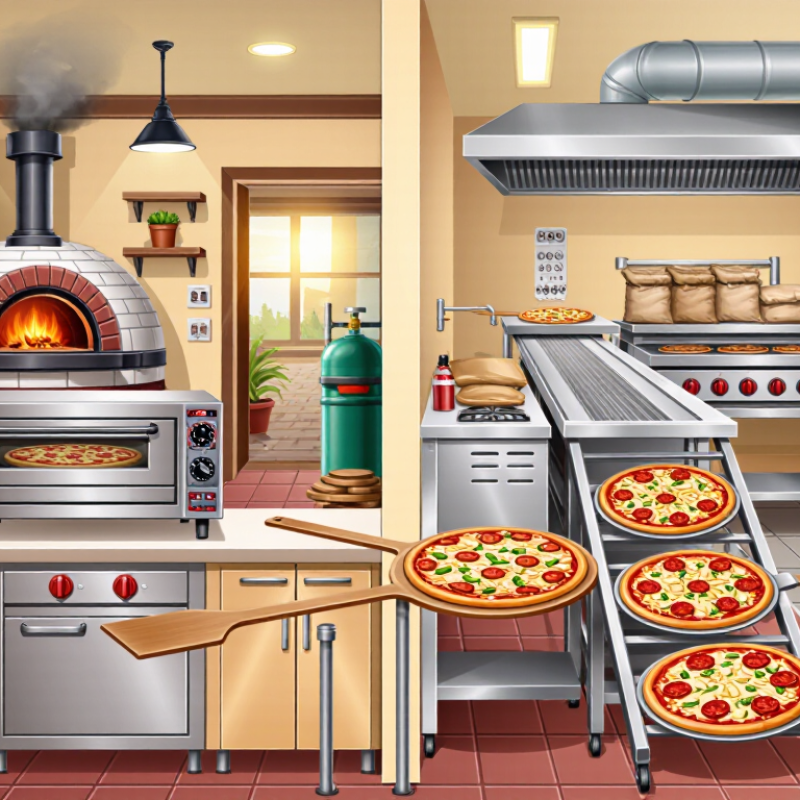
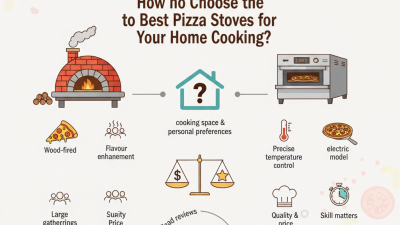
Choosing the best pizza oven begins with matching the oven type to workload, space, and cooking habits. In a home kitchen, electric ovens offer precise heat and simple installation. They suit apartments, beginners, and cooks who value repeatable results. Gas ovens heat quickly and often reach higher temperatures with less waiting. However, ventilation and fuel connections need careful planning. Wood-fired ovens create smoky crusts and a lively cooking experience. They also demand more attention. I once underestimated the ash cleanup and temperature control required. That lesson changed my buying priorities. Not always easy.
For commercial kitchens, a deck oven provides steady heat and flexible baking space. It works well for made-to-order pizzas and different crust styles. A conveyor oven supports speed and consistency during busy service. Staff can load pizzas, set a belt time, and reduce handling. This convenience may limit creative crust development. A commercial gas or electric oven can be practical when output matters more than theater. Consider recovery time, chamber size, insulation, controls, and service access. A powerful oven is useless if workers cannot clean it safely.
Measure the doorway, counter, and ventilation path before ordering. Home users should check circuit capacity and floor strength. Commercial buyers should estimate peak hourly demand, not average sales. Fresh dough, toppings, and oven temperature all affect results. Even accurate specifications cannot replace a test bake. Compare the first pizza with the twentieth. Record browning, cooking time, energy use, and staff comfort. Small oversights become expensive during service.
Maximum operating temperatures vary by oven type. Wood-fired and outdoor gas ovens generally reach the highest temperatures, making them suitable for fast Neapolitan-style pizzas, while countertop electric and commercial conveyor ovens offer more consistent control for home kitchens and high-volume foodservice operations.
A high-performance pizza oven is defined by control, recovery, and consistency, not maximum heat alone. In home testing, I look for even browning across the stone, stable temperature readings, and a door that seals firmly. A powerful burner means little if heat escapes after every opening. The 2024 National Restaurant Association State of the Restaurant Industry Report identifies food and labor costs as continuing operator pressures. That makes fast recovery and efficient insulation practical priorities for commercial kitchens.
Temperature range matters, but accuracy matters more. A calibrated digital probe can reveal a 50°F difference between the center and front edge. That gap creates pale crusts and burnt toppings. Commercial models should offer strong airflow, removable cooking surfaces, clear ventilation requirements, and controls that staff can learn quickly. The FDA Food Code 2022 also emphasizes safe equipment placement, cleaning, and temperature control. Those details are easy to overlook. They should not be.
Tips: Preheat longer than the display suggests, then check the stone with an infrared thermometer. Compare readings in three areas. For home use, choose compact insulation and simple controls. For commercial service, calculate pizzas per hour, recovery time, and electrical or gas demand before buying. I would not trust marketing claims alone. Ask for independent energy or performance data. Some ovens look efficient, yet lose heat quickly when production becomes busy.
What Is the Best Pizza Oven for Home and Commercial Use?
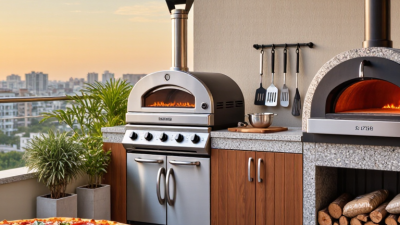
The best pizza oven depends on your cooking rhythm and available space. Measure doorways, counter depth, ceiling clearance, and ventilation paths before comparing temperature ratings. A compact electric oven often fits apartments and small kitchens. It also offers steady heat without fuel storage. A larger gas or wood-fired oven needs more clearance and stronger ventilation. That space can disappear quickly.
For home use, estimate your real output. Baking two pizzas on weekends does not justify a large commercial deck. A 12- to 16-inch cooking surface may be enough for family meals. I once assumed higher heat always meant better results. That was too simple. Heat recovery, insulation, and temperature control often matter more than a dramatic maximum temperature.
Commercial kitchens need throughput, cleaning speed, and predictable operating costs. The 2024 National Restaurant Association State of the Restaurant Industry Report projected U.S. restaurant sales above one trillion dollars, showing the scale of foodservice demand. That pressure makes recovery time important during busy service. U.S. EPA commercial-oven performance data indicates certified efficient ovens can use about 20% less energy than standard models. Check the test conditions, though. Real savings change with menu volume, opening frequency, and maintenance. A narrow high-output oven may suit a takeaway counter, while a wider deck supports varied orders. Floor space is expensive. Measure twice.
The best pizza oven depends on fuel, temperature control, and daily workload. Wood delivers smoke and strong radiant heat, but it demands skilled fire management. Gas offers steadier control and faster recovery between pizzas. Electric models provide precise settings and simpler indoor installation. However, electricity can become expensive during long service periods. Real operating costs depend on local tariffs, insulation, ventilation, and standby habits.
ENERGY STAR’s restaurant guidance reports that restaurants may use five to seven times more energy per square foot than other commercial buildings. This makes heat retention important. A well-insulated chamber reduces repeated burner cycles and stabilizes the cooking floor. For home use, a 370–430°C range often supports crisp crusts without excessive preheating. Commercial operators may need higher recovery speed rather than a higher maximum temperature. A laser thermometer helps, but it only measures the surface. The center of the stone can still be cooler. That surprised me during testing.
Tips: Compare energy use per baking cycle, not only the oven’s rated power. Keep the door closed during preheating. Use a timer for idle periods. Check temperature recovery after three consecutive pizzas. Choose adjustable heat from above and below. It gives better control over toppings, crust color, and moisture. Also, record fuel consumption for one week. Estimates often ignore ventilation losses and wasted standby heat.
Choosing the best pizza oven for home or business use starts with your cooking habits, not its appearance. A home cook may value compact storage, simple controls, and quick heating. A busy kitchen needs stronger heat recovery and consistent output during peak service. Capacity matters. A small oven suits occasional meals, while a larger chamber supports several pizzas without crowding.
Consider the fuel source carefully. Electric ovens offer precise temperature control and easier indoor installation, but they may require a dedicated circuit. Gas or wood-fired models can create intense heat and distinctive cooking conditions. They also demand proper ventilation, safe fuel handling, and regular cleaning. Check the oven’s insulation, cooking surface, temperature range, and maximum power before buying. Measure twice.
A useful test is observing recovery time after opening the door. If the temperature drops sharply, cooking may slow during busy periods. For home use, a thick baking surface and clear controls often matter more than extreme heat. For commercial use, durable hinges, removable debris trays, and easy maintenance can protect daily workflow. I once underestimated countertop space, and preparation became awkward. That mistake changed my priorities. Noise, smoke, electrical limits, and staff training deserve attention too. Manufacturer specifications help, but real operating conditions can reveal weaknesses that photographs hide.
| Oven Type | Typical Cooking Capacity | Maximum Operating Temperature | Preheating Time | Average Cooking Time | Fuel or Power Source | Typical Footprint | Best Application | Main Advantages | Important Limitations |
|---|---|---|---|---|---|---|---|---|---|
| Compact Electric Countertop Oven | One pizza up to approximately 30 cm (12 in) | Approximately 350–450°C (660–840°F) | 15–30 minutes | 2–5 minutes | Domestic electrical outlet; commonly 1.5–2.5 kW | Approximately 45–65 cm wide and 40–55 cm deep | Home kitchens, apartments, and occasional entertaining | Simple temperature control, compact design, low installation requirements, and consistent results | Limited cooking capacity and usually not suitable for continuous commercial service |
| High-Temperature Electric Countertop Oven | One pizza up to approximately 35 cm (14 in) | Approximately 400–500°C (750–930°F) | 20–35 minutes | 60–120 seconds | Dedicated electrical circuit may be required; commonly 2.5–4.0 kW | Approximately 55–80 cm wide and 50–70 cm deep | Serious home cooks, cooking classes, cafés, and low-volume service | Fast baking, precise heat control, and no combustion fumes inside the kitchen | Higher electricity demand and possible circuit or ventilation requirements |
| Gas-Fired Countertop Oven | One pizza up to approximately 30–40 cm (12–16 in) | Approximately 400–500°C (750–930°F) | 15–30 minutes | 60–150 seconds | Natural gas or liquefied petroleum gas, depending on the installation | Approximately 60–90 cm wide and 55–75 cm deep | Outdoor home cooking, food stalls, and compact professional kitchens | Rapid recovery, strong top heat, and good performance during repeated baking | Requires safe gas handling, adequate ventilation, and compliance with local regulations |
| Wood-Fired Portable Oven | One pizza up to approximately 30–40 cm (12–16 in) | Approximately 430–500°C (800–930°F) | 20–45 minutes | 60–120 seconds | Split hardwood or approved wood pellets, depending on the design | Approximately 50–80 cm wide and 60–90 cm deep | Gardens, patios, mobile catering, and outdoor events | Distinctive wood-fired flavor, high heat, and portability | Requires fire management, ash removal, weather protection, and outdoor use |
| Gas or Wood-Fired Dome Oven | Two to four pizzas of approximately 30–35 cm (12–14 in) | Approximately 430–500°C (800–930°F) | 30–60 minutes | 90–180 seconds | Gas, wood, or a dual-fuel configuration | Approximately 90–140 cm wide and 90–140 cm deep | Large residential patios, restaurants, catering, and event service | High heat retention, flexible fuel options, and the ability to bake multiple pizzas | Heavy, expensive, space-intensive, and subject to installation and ventilation rules |
| Commercial Deck Oven | Two to six pizzas per deck, depending on deck size | Approximately 300–400°C (570–750°F) | 30–60 minutes | 4–8 minutes | Electric or gas; electrical models commonly require a dedicated circuit | Approximately 90–180 cm wide and 80–110 cm deep per unit | Pizzerias, bakeries, cafés, and restaurants with steady production | Large baking surfaces, stable deck temperatures, and reliable batch production | Slower than very-high-temperature ovens and requires significant floor space |
| Commercial Conveyor Oven | Continuous production; typically one to several pizzas in the baking chamber at once | Approximately 230–315°C (450–600°F) | 15–30 minutes | 4–8 minutes with a controlled belt speed | Electric or gas; installation may require dedicated utilities and ventilation | Approximately 90–180 cm wide and 90–150 cm deep | High-volume restaurants, takeaway operations, and institutional kitchens | Consistent results, simple operation, predictable throughput, and reduced manual handling | Large footprint, substantial energy use, and less flexibility for artisan-style baking |
| Commercial Rotating Deck Oven | Several pizzas per cycle, often 6–16 depending on chamber diameter | Approximately 300–400°C (570–750°F) | 30–60 minutes | 3–7 minutes | Electric or gas, with professional ventilation commonly required | Approximately 120–220 cm wide and 120–180 cm deep | Busy pizzerias requiring higher capacity and even baking | Large production capacity, even exposure to heat, and efficient use of staff time | High purchase cost, heavy installation demands, and considerable maintenance needs |
| Modular Multi-Chamber Commercial Oven | Multiple decks; capacity can range from four to more than twenty pizzas per cycle | Approximately 260–400°C (500–750°F) | 30–60 minutes | 4–10 minutes | Electric or gas, with power and ventilation sized to the installation | Approximately 120–240 cm wide and 90–150 cm deep | High-volume production, hotels, food halls, and multi-menu operations | Scalable capacity, separate temperature zones, and flexible menu production | Requires trained operators, professional installation, and a larger capital budget |
Typical specifications vary by oven construction, insulation, fuel configuration, local electrical standards, installation conditions, and cooking style. Always verify clearance, ventilation, fire-safety, and commercial certification requirements before purchase.