Choosing the right pizza stoves is rarely as simple as selecting the highest temperature. Global buyers must consider fuel access, installation rules, production volume, and operator experience. A compact electric oven may suit a city café, while a wood-fired model can create stronger visual appeal and traditional flavor.
This guide examines the main pizza stove types used across international markets. It compares wood-fired, gas, electric, and hybrid designs. Each option brings practical strengths and noticeable limitations. Wood-fired stoves can deliver smoky aromas and fast baking, but they require skilled fire management. Gas models offer steadier heat and easier daily control. Electric units often fit indoor kitchens with restricted ventilation. Hybrid systems provide flexibility, although their purchase and maintenance costs may be higher.
Real kitchens reveal details that product brochures often miss. Ash removal can slow service during busy evenings. Gas pressure may vary between regions. Electrical capacity can become a hidden installation expense. Even a well-insulated dome needs recovery time after repeated baking. Small mistakes matter.
There is no universal winner.
Reliable purchasing decisions should combine manufacturer specifications, local technician advice, and hands-on testing. Buyers should verify heating performance, insulation quality, cooking-surface size, energy consumption, warranty terms, and after-sales support. Local safety requirements also deserve careful review before installation.
The best choice depends on more than pizza style. It must match the kitchen, staff, budget, and expected workload. Some recommendations may change after real-world testing, and that uncertainty is worth acknowledging. This comparison aims to help global buyers ask sharper questions and select equipment with greater confidence.
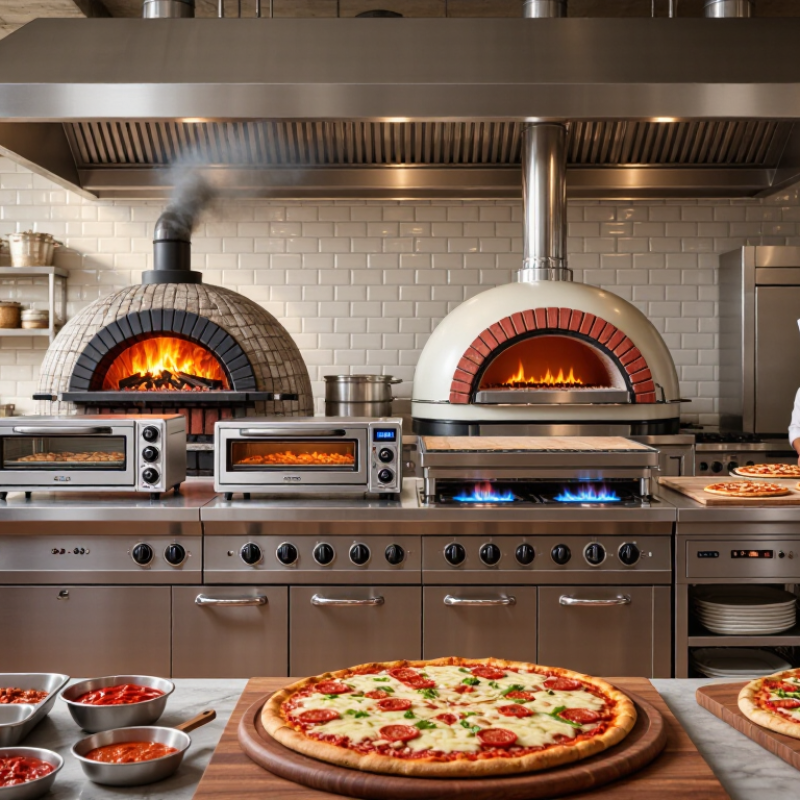
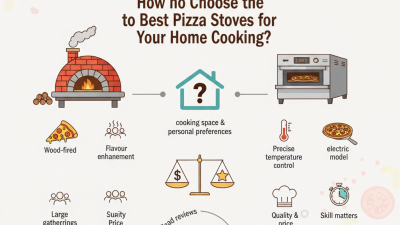
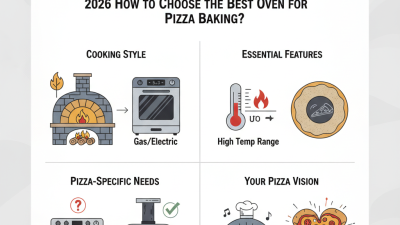
Global buyers usually compare wood-fired, gas, electric, and conveyor pizza stoves. Each type creates a different cooking environment. Wood-fired models can produce smoky aromas and blistered crusts, often reaching 400–500°C. They need skilled operators, dry fuel, and strong ventilation. Gas stoves offer faster temperature control and simpler daily operation. Electric models suit malls, hotels, and compact kitchens because they produce consistent heat without on-site combustion. Conveyor stoves support steady volume, but they require more floor space and careful belt calibration.
Fortune Business Insights estimated the global pizza oven market at about USD 1.6 billion in 2023, with continued growth expected through the decade. That trend reflects demand for flexible commercial cooking equipment, not one universal stove design. Buyers should check local voltage, gas pressure, extraction rules, insulation, service access, and replacement-part availability. The U.S. Department of Energy also notes that commercial cooking equipment can create substantial energy demand, making heat recovery and standby controls important purchasing factors. No type wins every market. That is the difficult part.
Tips: Test the stove with your actual dough, tray size, and peak order volume. Measure recovery time after loading several pizzas. A unit that looks efficient may struggle during lunch service. Ask for independent energy data, not only sales claims. Also, leave space around the equipment; crowded kitchens turn small maintenance tasks into expensive delays.
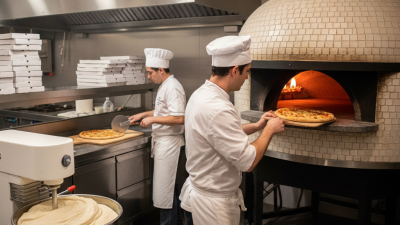
Wood-fired pizza stoves remain popular with global buyers because they create a distinctive smoky aroma and blistered crust. A well-built chamber can reach 430–500°C, allowing a pizza to bake in roughly 60–120 seconds. Dry hardwood gives a steady flame, while damp wood creates uneven heat and excessive smoke. The baker must rotate the pizza often. One side can darken quickly.
In practical use, heat management matters more than maximum temperature. I usually watch the flame, floor color, and crust edge together. A pale floor may need more heating, while a bright white surface can signal intense heat. Insulation helps the stove retain warmth and reduces fuel waste. However, the first pizza may still scorch during early sessions. That learning curve is real.
Tips: Choose a model with reliable insulation, a strong baking floor, and clear ventilation guidance. Confirm local installation requirements before purchasing. Measure the cooking area, chimney height, and available fuel storage carefully. Buyers in humid regions should protect firewood from rain and allow extra drying time. A built-in thermometer is useful, but it should not replace visual checks. For safer operation, use a qualified installer and keep suitable clearance around the stove.
| Pizza Stove Type | Primary Fuel or Energy | Typical Baking Temperature | Typical Heat-Up Time | Approximate Baking Time | Main Advantages | Key Considerations | Best Suited For |
|---|---|---|---|---|---|---|---|
| Traditional Wood-Fired Masonry Oven | Seasoned hardwood | 350–480°C (660–900°F) | 45–120 minutes | 60–120 seconds for Neapolitan-style pizza | Strong heat retention, high radiant heat, traditional smoky flavor, suitable for continuous service | Requires permanent installation, chimney planning, dry firewood storage, and operator skill | Restaurants, pizzerias, hospitality venues, and outdoor cooking areas |
| Portable Wood-Fired Oven | Small wood logs or wood chunks | 370–500°C (700–930°F) | 15–40 minutes | 60–180 seconds | Fast high-heat baking, compact footprint, authentic wood-fired aroma, easier relocation | Smaller cooking chamber, limited batch capacity, frequent fuel handling, and ventilation requirements | Homes, catering, food trucks, markets, and small outdoor businesses |
| Gas-Fired Pizza Oven | Natural gas or liquefied petroleum gas | 300–450°C (570–840°F) | 15–45 minutes | 90–240 seconds | Precise temperature control, consistent output, clean operation, and simple daily use | Does not naturally provide the same wood-smoke profile; gas connection, cylinder storage, and local safety rules may apply | Commercial kitchens, restaurants, patios, and buyers prioritizing operational consistency |
| Electric Deck Pizza Oven | Electricity | 250–400°C (480–750°F) | 20–60 minutes | 2–6 minutes | Stable temperature, no combustion smoke, straightforward installation, and easy indoor operation | Requires adequate electrical capacity; flavor is driven by the dough, toppings, and baking surface rather than wood smoke | Indoor restaurants, bakeries, cafés, hotels, and urban locations with combustion restrictions |
| Hybrid Wood-and-Gas Oven | Wood combined with natural gas or liquefied petroleum gas | 320–480°C (610–900°F) | 20–60 minutes | 60–180 seconds | Combines wood-fired aroma with adjustable heat and more predictable service | Higher purchase and maintenance complexity; installation must support both fuel systems | Professional kitchens and global buyers needing flexibility across different service conditions |
| Conveyor Pizza Oven | Electricity or gas | 200–320°C (390–610°F) | 15–30 minutes | 4–8 minutes, depending on product and belt speed | High throughput, repeatable baking, reduced manual handling, and simple staff training | Large footprint, higher equipment cost, and less emphasis on traditional wood-fired texture and aroma | High-volume restaurants, quick-service operations, cafeterias, and institutional kitchens |
Gas pizza stoves remain a practical choice for buyers who need fast heating and adjustable cooking temperatures. Their burners respond quickly, allowing operators to change heat when dough browns too rapidly. A visible flame also gives useful feedback during service. Turn the dial gently. That small adjustment can protect a thin crust from scorching.
Precise heat control depends on more than the burner. A reliable thermostat, insulated oven chamber, and accurate thermometer help maintain stable temperatures. Different pizzas may need different settings. A crisp, thin base often benefits from stronger bottom heat, while thicker dough needs steadier, moderate heat. I have found that stone placement also matters. Moving the stone only a few centimeters can change the crust color noticeably. Buyers should check gas compatibility, ventilation requirements, pressure settings, and local installation standards before ordering.
Not every gas stove performs perfectly. Some models heat unevenly near the door, especially during repeated cooking. This weakness can be reduced through preheating and rotating the pizza by hand. It still requires attention. A stove with separate burner controls may offer better flexibility for restaurants, catering teams, and outdoor kitchens. However, extra controls can increase training needs and maintenance points. Clear manuals, accessible parts, stable temperature readings, and qualified installation support are practical signs of a dependable purchase.
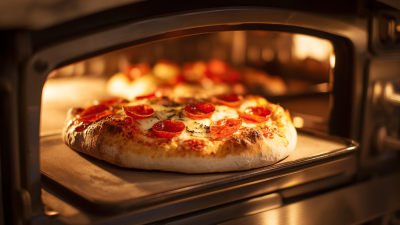
For global buyers, electric pizza stoves offer a practical option for indoor food businesses. They fit cafés, kiosks, hotel kitchens, and compact restaurant counters. Many models use thermostatic controls, insulated walls, and stone or ceramic decks. These features help maintain steady baking temperatures during busy service. Electric heating also avoids on-site fuel storage and reduces flame-related concerns indoors. That matters in crowded commercial spaces.
Before purchasing, measure the counter, doorway, and available electrical capacity. A small oven may still require a dedicated circuit and professional installation. Check the voltage, wattage, plug design, and local certification requirements. Heat recovery is important when staff bake pizzas continuously. A weak unit may cook the first pizza well, then struggle during a rush. That difference becomes obvious at lunchtime.
Watch the details.
In daily operation, cleaning access saves time. Removable trays and smooth internal surfaces help staff remove flour and cheese residue. A viewing window can reduce unnecessary door opening, though it may collect grease. I would not call compact electric ovens perfect. Their chamber size can limit pizza diameter, and heavy use may increase electricity costs. However, precise temperature control suits businesses that value repeatable crust texture and simple indoor operation. Buyers should test dough thickness, topping moisture, and baking speed before committing. A short trial often reveals more than a specification sheet.
Hybrid and specialty pizza stoves give global buyers more flexibility than single-fuel models. A unit combining gas and electric heating can protect production during fuel shortages or voltage fluctuations. Some kitchens also pair a stone deck with a convection chamber. This supports different crust styles without adding a second full-size oven.
Energy planning matters. The 2024 Global Status Report for Buildings and Construction reports that buildings consume about 32% of global energy. It also attributes roughly 34% of global energy-related emissions to buildings. Pizza operations should therefore compare idle energy, recovery time, insulation, and ventilation requirements. A hybrid stove is not automatically efficient. Poorly sized equipment can waste energy during quiet service.
Local conditions should guide the specification. Buyers need to check voltage, gas pressure, chimney rules, humidity, and available technician support. In a busy coastal kitchen, corrosion-resistant surfaces may matter more than maximum temperature. In a compact urban shop, electric ventilation and lower exhaust demand may simplify installation. Throughput claims deserve testing. Ask for results using the intended dough weight, bake temperature, and hourly volume. I would not trust a catalogue figure alone. A short pilot run can reveal uneven floors, slow recovery, or controls that staff find confusing. These details are inconvenient, but they often determine whether a specialty stove performs reliably across diverse markets.