Choosing commercial restaurant ovens is a practical decision that shapes speed, consistency, and kitchen safety. In a busy service, the oven may handle dozens of pizzas, trays, or roasted proteins every hour. Its heat recovery affects waiting times. Its interior size affects production planning. Its controls affect training and daily mistakes.
Chef and restaurateur Thomas Keller once said, “A recipe has no soul. You, as the cook, must bring soul to the recipe.” That idea also applies to restaurant ovens. Skilled cooks need equipment that responds predictably, not machines that create confusion during a crowded dinner rush. Convection, deck, combi, and conveyor models each solve different production problems. A bakery may value stable steam and even browning. A pizzeria may prioritize fast recovery and high-temperature performance. A hotel kitchen may need flexibility across several menus.
The cheapest oven is not always the most economical choice. Energy use, maintenance access, installation requirements, and staff training can change the real cost. Small details matter. A clear door helps operators check a roast without losing heat. Strong door seals reduce waste. Easy-to-clean surfaces can protect valuable service time.
Still, no oven solves poor workflow. That deserves honest reflection. Business owners should compare actual menu demands, peak volume, available space, and local service support before purchasing restaurant ovens. Reliable performance is valuable, but thoughtful planning remains the foundation of a profitable kitchen.
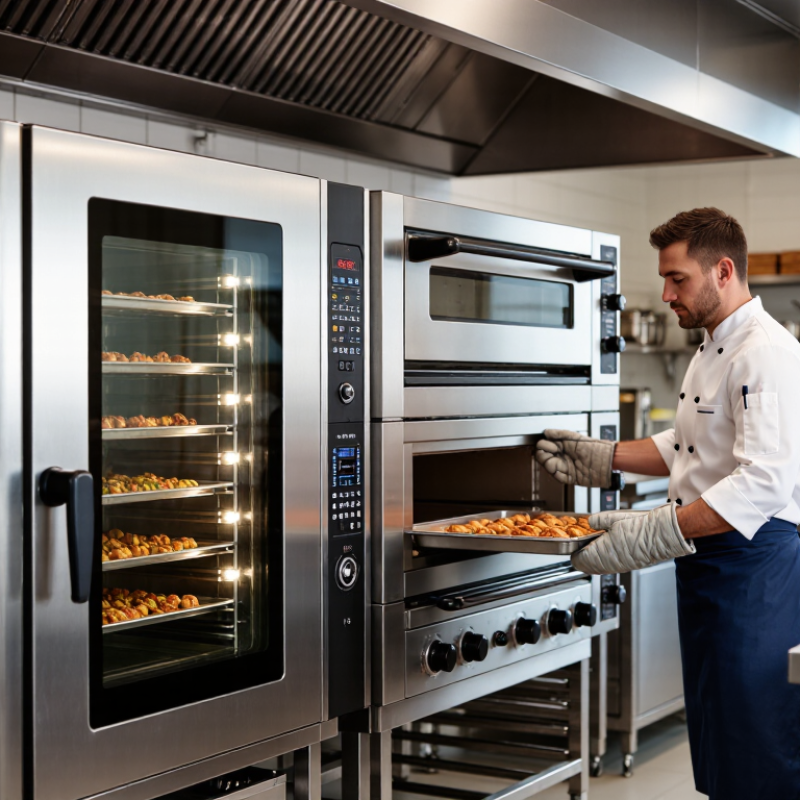
Commercial restaurant ovens are heavy-duty cooking systems designed for continuous service, higher temperatures, and demanding production schedules. They are not simply larger household ovens. Their insulated chambers, reinforced doors, accurate thermostats, and powerful heating elements support repeated baking, roasting, steaming, or broiling.
Common types include convection, combi, deck, conveyor, and high-speed ovens. Each serves a different workflow.
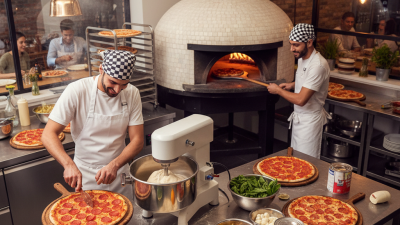
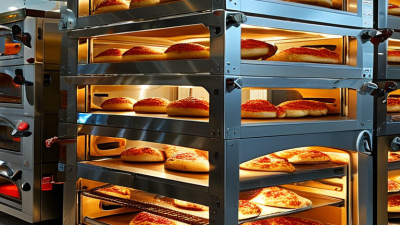
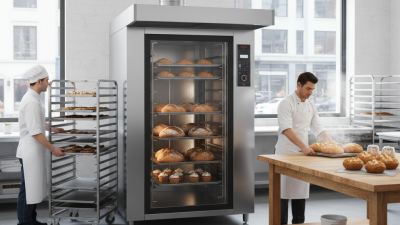
A convection oven moves hot air around trays, helping produce consistent results during busy service. A combi oven combines steam and dry heat, which can reduce moisture loss in meat and vegetables. Deck ovens provide strong, direct heat for products needing crisp bases. Capacity matters, but bigger is not always better.
ENERGY STAR reports that restaurants can use five to seven times more energy per square foot than other commercial buildings. Its commercial oven guidance evaluates cooking efficiency and idle energy. That data matters because an oven may consume power while waiting, not cooking.
A practical kitchen check should examine recovery time, tray spacing, door opening, and cleaning access. Capacity charts can mislead. Real loading habits matter more.
Tips: Measure your busiest hour before choosing an oven. Record tray sizes, cooking temperatures, and recovery delays. Leave space around the unit for ventilation and service. A smaller oven may work better when batches are frequent. I may be too cautious, but energy claims should be verified through independent test data, not sales language.
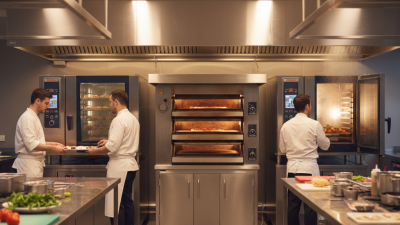
In a busy commercial kitchen, oven speed affects every ticket, not just baking time. A commercial oven recovers heat quickly after staff open the door. That stability helps cooks roast vegetables, finish casseroles, and bake pastries at planned temperatures. During service, I have watched a crowded prep list become manageable when trays cook evenly. The difference is practical. Less waiting. Fewer rushed adjustments.
Many commercial models hold several trays, so one cooking cycle can replace multiple small batches. Convection airflow moves heat around each pan, while programmable controls reduce repeated checking. A cook can set a temperature, timer, and moisture level, then prepare sauces or plate salads nearby. This saves movement and keeps the work area calmer. It also supports consistent portions when different employees share the same station. Still, settings are not magic. Dense food may need rotation, and overloaded trays can block airflow. I once assumed a full oven was always efficient. It produced pale edges and uneven centers.
Energy use also deserves attention. Shorter cycles may reduce operating time, but frequent preheating can erase that gain. Staff training matters as much as equipment capacity. Clear loading rules, thermometer checks, and regular cleaning protect performance and food quality. A reliable oven should fit the menu, ventilation system, electrical supply, and daily volume. Bigger is not automatically better. The right capacity prevents bottlenecks without turning the kitchen into a hot, crowded workspace.
| Commercial Oven Type | Typical Temperature Range | Typical Capacity | Typical Heating Input | Common Cooking Applications | Efficiency Advantage | Best Business Fit |
|---|---|---|---|---|---|---|
| Convection Oven | 150–300°C 302–572°F |
4–10 full-size sheet pans, depending on model | Approximately 6–15 kW electric or 50,000–200,000 BTU/h gas | Roasting, baking, pastries, vegetables, and reheating | Circulating hot air promotes more even cooking and can reduce the need for frequent pan rotation. | Cafés, bakeries, hotels, catering kitchens, and general restaurant production |
| Combi Oven | Approximately 30–300°C 86–572°F |
About 6–40 pans, depending on cavity size and pan spacing | Often approximately 10–40 kW electric or equivalent gas input | Steaming, baking, roasting, poaching, regeneration, and multi-stage recipes | Combines dry heat and steam in one chamber, helping maintain moisture, reduce product shrinkage, and consolidate equipment. | High-volume restaurants, institutional kitchens, hotels, and operations with varied menus |
| Deck Oven | 150–315°C 302–599°F |
1–4 decks; commonly 1–4 baking surfaces per deck | Approximately 4–12 kW per deck or gas-fired equivalent | Pizza, artisan bread, flatbreads, and products requiring strong bottom heat | Independent deck controls allow different products to cook at separate temperatures, improving scheduling flexibility. | Pizzerias, artisan bakeries, bread-focused restaurants, and specialty food businesses |
| Conveyor Oven | Approximately 200–300°C 392–572°F |
Continuous loading; belt widths commonly range from about 40–90 cm | Approximately 5–30 kW, depending on belt size and heating design | Pizza, sandwiches, toasted products, snacks, and standardized menu items | A controlled belt speed creates repeatable cooking times and supports continuous production with less manual handling. | Quick-service restaurants, food courts, cinemas, and high-volume takeaway operations |
| Rotisserie Oven | Approximately 150–250°C 302–482°F |
Commonly 6–30 poultry or meat portions, depending on spit configuration | Approximately 5–20 kW electric or gas-fired equivalent | Whole chickens, kebabs, roasted meats, and display cooking | Continuous rotation supports even browning and reduces the need to turn products manually during cooking. | Delis, supermarkets, specialty meat shops, and restaurants serving roasted proteins |
| Commercial Holding & Regeneration Oven | Approximately 60–150°C 140–302°F |
Typically 10–40 pans, depending on cabinet size | Approximately 2–15 kW electric | Banquets, prepared meals, plated food, and controlled reheating | Maintains serving temperature and supports batch preparation, helping separate cooking time from peak service periods. | Banquet facilities, healthcare kitchens, catering companies, and institutional foodservice |
Commercial restaurant ovens are built for the pressure of continuous service. The National Restaurant Association’s 2024 State of the Restaurant Industry Report projected U.S. restaurant sales above $1 trillion, highlighting the need for dependable, high-capacity equipment. In a busy kitchen, a strong oven must recover heat quickly after repeated door openings. Convection airflow helps cook trays more evenly, while multiple racks increase output without expanding floor space.
Capacity matters, but control matters more. Programmable cooking settings can reduce guesswork during lunch rushes. A built-in temperature probe supports consistent results for meat, poultry, and baked dishes. Combi ovens add humidity control, which can protect moisture in roasted foods. ENERGY STAR reports that certified commercial ovens can use about 20% less energy than standard models, depending on the configuration and operating pattern. That saving becomes meaningful when the oven runs for many hours each day.
Small details often decide performance. Look for insulated doors, fast preheating, visible displays, and removable components that staff can clean safely. Recovery speed should be tested with full loads, not empty racks. This is where many purchasing decisions become unrealistic. More automation may also mean more training, maintenance, and downtime when sensors fail. A practical evaluation should measure cook time, batch consistency, energy use, and cleaning minutes across a real service period. The best choice is not always the largest oven.
Commercial restaurant ovens are built for repeatability, not occasional convenience. During busy service, trays enter every few minutes. A stable thermostat limits temperature swings after door openings. Convection fans move heated air around racks, reducing hot and cool pockets. Recovery matters. After opening, the cavity must regain heat quickly. U.S. Department of Energy technical analyses identify preheating, recovery, and temperature control as key commercial-oven performance factors.
That control supports measurable food-safety targets. The FDA Food Code 2022 calls for poultry to reach 165°F (74°C), while many ground meats require 155°F (68°C) for 17 seconds. An oven cannot guarantee those temperatures. Operators still need calibrated probes and written checks. In my experience, commercial equipment becomes valuable when recipes specify rack position, fan mode, load size, and cooking time.
Energy use can also influence consistency. U.S. Environmental Protection Agency ENERGY STAR data indicates that qualified commercial convection ovens may use about 20% less energy than standard models. I would not treat that figure as universal. Ventilation, loading, maintenance, and electricity rates change actual results. A worn door seal or crowded rack can undermine careful engineering. Staff training remains imperfect, too. One cook may rotate pans early; another may skip preheating. Clear procedures and weekly temperature logs expose those gaps before customers do.
Consistent oven performance helps kitchens repeatedly reach critical food-safety temperatures while maintaining predictable cooking results. These temperature targets are based on guidance from the U.S. Department of Agriculture and the U.S. Food and Drug Administration.
Source: USDA Food Safety and Inspection Service; FDA Food Code. Temperatures shown in °F.
Choosing a commercial restaurant oven starts with your menu, not its appearance.
Pizza, pastries, roasted meats, and steamed dishes require different heating methods. A convection oven may suit even baking, while a combination oven offers greater cooking flexibility.
Capacity also matters. Measure your busiest service period, then estimate how many trays or pans you need per hour. Peak demand is easy to underestimate.
Check the kitchen’s space, ventilation, power supply, and fuel access before ordering. Measure doorways and service routes carefully. A large oven is useless if it cannot enter the building.
Energy efficiency affects long-term operating costs, but purchase price should not dominate the decision. Ask about temperature accuracy, recovery time, cleaning requirements, and staff training. In practice, complicated controls can slow service when employees are busy. I would also question optimistic capacity claims and test cooking results with your own recipes.
Tips: Compare output during a realistic rush, not an empty kitchen. Leave clearance for maintenance and safe operation. Record cooking temperatures for several days. This reveals uneven heating and timing problems. Do not ignore noise, heat, or cleaning effort. These small details can shape staff comfort and daily productivity. A short trial may prevent an expensive mistake. Still, every forecast has limits, and your menu may change sooner than expected.