Top Tips for Choosing a Rack Oven for Your Bakery Needs?
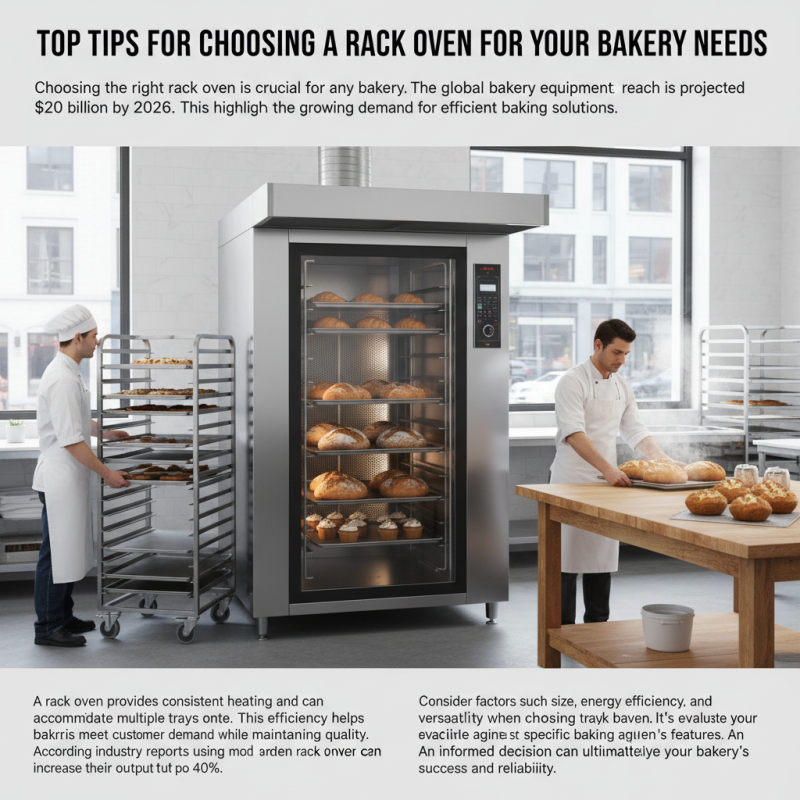
Choosing the right rack oven is crucial for any bakery. The global bakery equipment market is projected to reach $20 billion by 2026. This highlights the growing demand for efficient baking solutions. Rack ovens play a vital role in enhancing productivity and improving product quality.
A rack oven provides consistent heating and can accommodate multiple trays at once. This efficiency helps bakeries meet customer demand while maintaining quality. According to industry reports, bakeries using modern rack ovens can increase their output by up to 40%. This statistic underscores the importance of investing in advanced baking technology. However, not all rack ovens are created equal, and selecting the wrong model may lead to operational inefficiencies.
Consider factors such as size, energy efficiency, and versatility when choosing a rack oven. It's essential to evaluate your specific baking needs against the oven's features. Understanding these details can prevent costly mistakes. An informed decision can ultimately enhance your bakery’s success and reliability.
Understanding the Types of Rack Ovens and Their Features
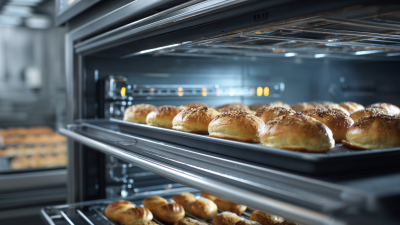
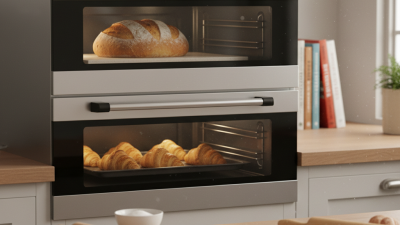
When selecting a rack oven for your bakery, understanding the various types is crucial. Rack ovens typically fall into three categories: steam, convection, and deck ovens. Each type has unique features that cater to different baking needs. A steam rack oven provides humidity control. This is essential for achieving a perfect crust on bread. On the other hand, convection ovens circulate hot air for even baking. This reduces baking times and improves efficiency.
In the bakery industry, about 45% of bakers prioritize energy efficiency when choosing equipment, according to recent industry reports. This makes convection ovens an attractive option. They often have better energy ratings compared to other types. However, some bakers prefer steam ovens for their ability to retain moisture, especially for artisan breads. It’s essential to assess your bakery’s specific needs and baking styles before making a choice.
Another consideration is the size and capacity of the rack oven. The baking surface area can impact production volumes. A larger oven might seem appealing, but it requires more space and energy. Not all bakeries can accommodate this. Likewise, smaller ovens can limit output but may be more suitable for boutique bakeries. Each choice comes with trade-offs. The decision ultimately hinges on your bakery's workflow, production goals, and available space.
Top Tips for Choosing a Rack Oven for Your Bakery Needs
| Feature |
Description |
Advantages |
Considerations |
| Type of Oven |
Gas or Electric |
Consistent heating; Lower operational costs (Gas) |
Availability of resources; Local regulations |
| Size |
Capacity to hold various rack sizes |
Flexibility for baking different products |
Space constraints in the bakery |
| Temperature Control |
Digital vs. manual settings |
Precision in baking; Easy adjustments |
Cost of digital vs. manual |
| Ventilation |
Exhaust systems to remove humidity |
Improves bake quality; Reduces smoke |
Need for additional ducting |
| Energy Efficiency |
Energy ratings and consumption |
Lower utility bills; Eco-friendly |
Higher upfront costs for efficient models |
Evaluating the Size and Capacity Requirements for Your Bakery
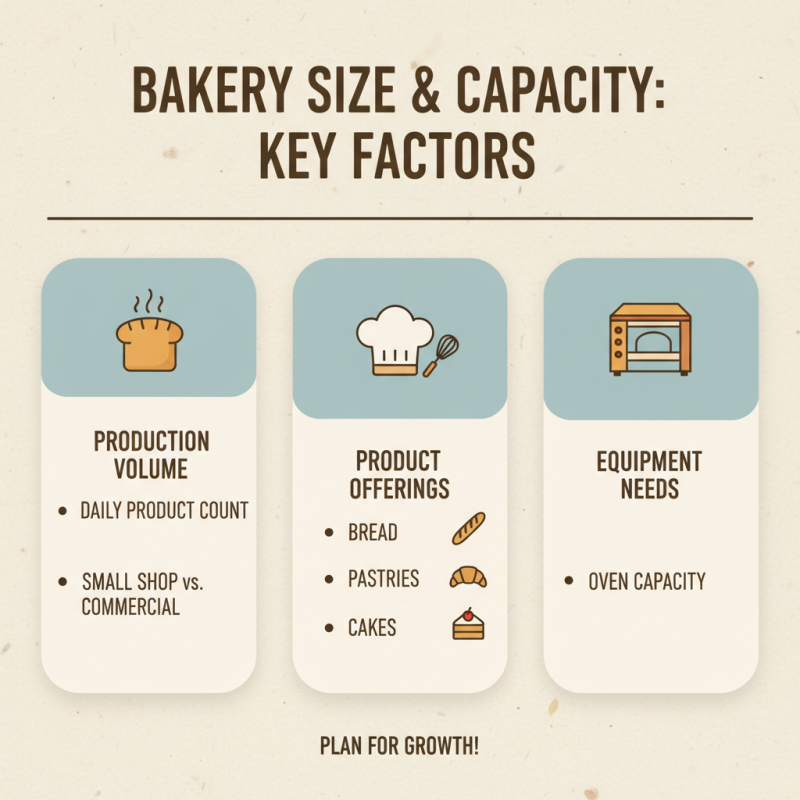
When evaluating the size and capacity requirements for your bakery, understanding your production needs is essential. Consider the volume of products you wish to create daily. Will your bakery be a small neighborhood shop or a larger commercial entity? Take inventory of your offerings. Bread, pastries, and cakes each have varying baking requirements. This will help determine the necessary oven capacity.
Think about the available space in your bakery. A rack oven can be substantial in size. Measure your kitchen area carefully to ensure the oven fits comfortably without hindering workflow. An overcrowded space can lead to inefficiency. Moreover, consider the future. A growing bakery might quickly outgrow a smaller oven. Balancing current needs with potential growth is crucial.
Check local regulations for commercial ovens. These can vary greatly, impacting your choice. Seek advice from experienced bakers or industry professionals. Learning from their expertise can guide your decision-making process. Reflect on the oven's energy efficiency as well. Over time, energy costs can add up significantly. An oven that meets your size requirements but lacks efficiency could become a financial burden.
Analyzing Energy Efficiency and Operating Costs of Rack Ovens
When selecting a rack oven, energy efficiency and operating costs are crucial factors. A report from the U.S. Department of Energy highlights that commercial ovens can account for up to 30% of a bakery's energy consumption. This statistic emphasizes the need for bakeries to invest in energy-efficient options. Choosing an oven with advanced insulation and energy-saving features can significantly reduce these costs over time.
Operating costs extend beyond energy bills. Maintenance expenses can add up quickly. According to industry analysis, inconsistent temperature control in ovens can lead to product quality issues, resulting in wasted materials. Investing in a reliable rack oven can mitigate this risk. It's essential to consider the long-term reliability of any oven. The upfront cost may be higher for models with better energy ratings, but the savings on operating costs can be substantial.
Furthermore, understanding the specific energy ratings and efficiency metrics of different models can be challenging. Not all efficiency claims are created equal. Looking for ovens with better thermal efficiency can make a significant difference. An oven that retains heat effectively will require less energy to maintain desired temperatures. This can lead to a more sustainable operation.
Considering Brand Reputation and Customer Reviews for Best Choices
When selecting a rack oven, brand reputation plays a crucial role. A well-regarded brand often indicates reliability and quality. Researching customer reviews can provide valuable insight into real-world performance. Look for patterns in feedback. Do customers mention consistent baking results? Are there common complaints?
Consider the experiences of other bakers. A positive track record can signal a trustworthy choice. Yet, remember that not every review reflects your specific needs. Your bakery's volume and product range differ from others.
Tip: Visit forums and social media to gather diverse opinions. Look for oven features that fit your baking style. Pay attention to details like temperature control and energy efficiency. Keep in mind, the right oven should support your unique recipes and business goals. Reflections from fellow bakers are essential, but don’t rely solely on them. Your intuition matters too.
Top Tips for Choosing a Rack Oven for Your Bakery Needs
Examining Maintenance Needs and Warranty Options for Durability
When selecting a rack oven for your bakery, consider
maintenance needs carefully. The type of oven
influences how much upkeep it requires. Some ovens need daily cleaning, while others need less
frequent deep maintenance. Routine checks can prevent overheating and performance issues. You
might hesitate to invest a lot upfront, but reduced maintenance time
can prove beneficial. Efficiency
often translates to savings over time.
Warranties are essential for durability and peace of mind.
A solid warranty reflects the manufacturer's confidence in their product. Look for options covering
several years, especially for key components. Extended warranties can
offer additional protection. Understand the terms fully; some warranties may not cover certain wear and
tear. An unclear warranty can lead to unexpected costs.
Ensure you know your obligations as a user.
Finding the right balance between maintenance and warranty can
be tricky. A low-maintenance oven may come at a higher price. Conversely, a cheaper model might
require frequent repairs. This can be challenging for small bakeries on a budget. However,
investing time in researching models
can pay off. Prioritize ovens that fit your workflow and
budget while ensuring they have a reasonable maintenance schedule.