How to Choose the Best Home Ovens for Your Cooking Needs?
In recent years, the market for home ovens has experienced significant growth. According to a report by Grand View Research, the global oven market is projected to reach $22.8 billion by 2025. This growth reflects a rising interest in home cooking, driven by lifestyle changes and the pandemic. Consumers increasingly value appliances that cater to diverse culinary needs.
When choosing the best home ovens, it's crucial to consider various factors. Features like size, cooking technology, and energy efficiency play significant roles. Many homeowners prefer multifunctional ovens that can bake, broil, and steam. The demand for smart ovens is also rising, as more consumers seek connectivity and innovative cooking solutions.
While there are numerous options available, it's essential to evaluate personal cooking habits. A high-performance oven may not be necessary for infrequent cooks. However, home cooks dedicated to gourmet meals may invest more in advanced models. In such cases, understanding one's cooking style can lead to a more satisfying purchase. The right choice in home ovens can enhance culinary experiences and foster creativity in cooking.
Understanding Your Cooking Style and Preferences
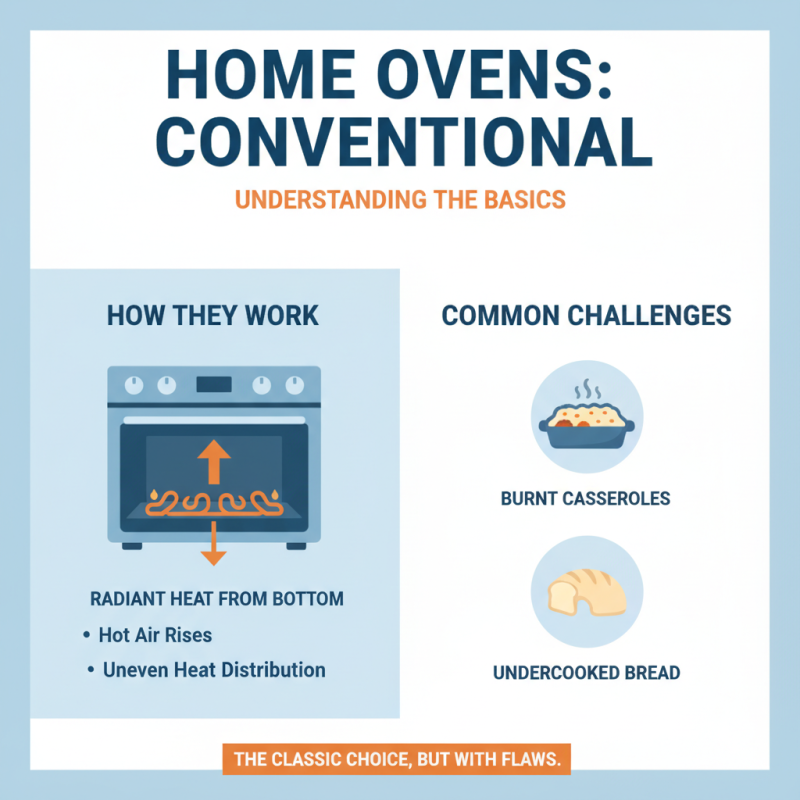
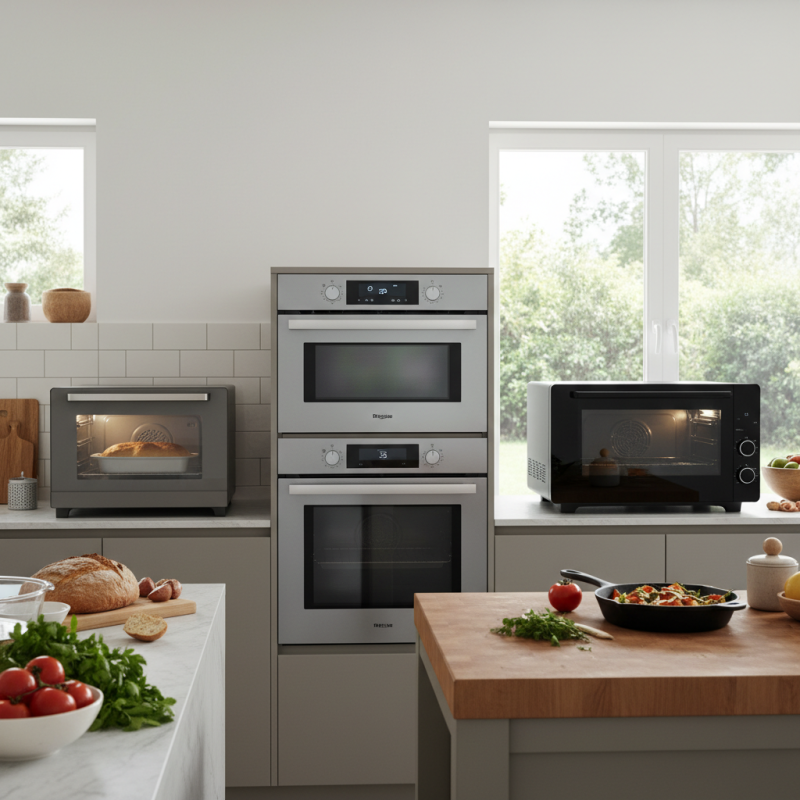
Choosing the right home oven can transform your cooking experience. It starts with understanding your cooking style and preferences. Are you a fan of baking? A convection oven might suit your needs as it distributes heat evenly. If roasting is your passion, consider an oven that offers precise temperature control, ensuring your dishes are cooked to perfection.
Think about the size you require. A compact oven may be suitable for small spaces, but it might limit your cooking options. Reflect on how often you host gatherings. A larger oven can accommodate multiple dishes at once. Alternatively, if you mostly cook for yourself, a more straightforward model might be enough.
Your cooking style also influences the features you need. Some enjoy experimenting with different techniques. Features like steam assistance can elevate your cooking. But do you really need all the fancy settings? Sometimes, a simple oven can still yield delicious results. Take a moment to assess what's essential for you. This reflection will lead to a more satisfying cooking journey.
How to Choose the Best Home Ovens for Your Cooking Needs?
Key Features to Consider When Selecting an Oven
Choosing the right home oven can greatly enhance your cooking experience. When selecting, consider the oven type. There are gas, electric, and convection options. Each has its own advantages. Gas ovens heat quickly but can be less precise. Electric ovens provide even heat, making them popular. Convection ovens circulate air for faster cooking, which is great for baking.
Pay attention to size and capacity. A larger family might need a bigger oven. If you love baking, look for an oven with multiple racks. This allows you to cook several dishes at once. It’s essential to measure your kitchen space before making a choice.
Tips: Look for features like self-cleaning and smart technology. These make maintenance easier. Consider temperature accuracy as it affects cooking results. Some ovens have a steam function, perfect for bread and delicate items. A sturdy build ensures longevity. Don’t rush your decision; think about how you cook daily. This is where your choices should reflect your habits, even if it means a few compromises on features.
Budget Considerations for Different Oven Models
When selecting a home oven, budget plays a crucial role. The price of ovens can range significantly based on features, size, and brand. According to recent industry reports, entry-level ovens can cost around $400, while high-end models may exceed $2,000. For many, finding a reliable oven within a reasonable budget is essential. Professional advice indicates that a solid mid-range option is often best for the average household.
Features can vary widely with price. For example, convection ovens often come at a premium. However, studies have shown they can improve cooking efficiency, saving time and energy. It’s important to weigh these benefits against your budget. Not everyone needs the most advanced features. A simpler model may suffice for occasional bakers. In evaluating costs, consider potential energy savings. Using energy-efficient models can lead to significant long-term savings.
Investing in quality appliances should reflect your cooking habits. If you bake frequently, a higher budget may be justified. Yet, if you only use the oven for reheating, a more economical option might be better. Review your needs critically. Each choice carries different implications for your culinary experience and your wallet. Balancing these considerations is key to selecting the right oven.
Energy Efficiency and Installation Requirements for Home Ovens
When choosing the best home oven, energy efficiency is critical.
Energy Star reported that energy-efficient ovens can save households about
$100 annually. This is significant given rising utility costs.
Look for models with a high energy rating. These ovens use advanced insulation
and better heating elements. They maintain temperature effectively, which reduces energy waste.
Installation requirements also matter. Common installation involves clearances around the oven for ventilation.
The U.S. Department of Energy highlights that proper installation enhances efficiency. Ensure your kitchen layout
accommodates this. Some homes may need electrical upgrades. This can be a costly oversight, so
research beforehand.
Choosing the right oven isn't just about features. It's essential to weigh energy consumption against your cooking habits.
High-efficiency models can be more expensive upfront. However, they often pay off through lower energy bills.
Reflect on how often you cook and how many people you serve. This information will guide your decision effectively.