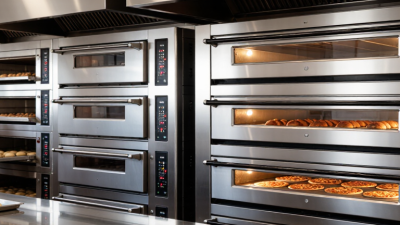
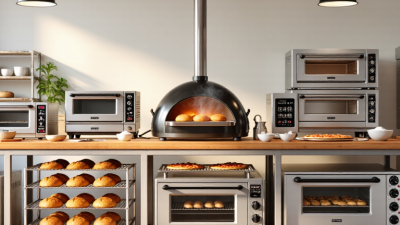
Choosing a pastry oven is not a small equipment decision. It shapes the color of a croissant, the lift of a sponge, and the rhythm of a busy morning bake. The American Bakers Association’s Economic Impact of the Baking Industry report estimates that baking supports about 800,000 jobs and contributes roughly $186 billion to the U.S. economy. Those figures describe a large industry, but they cannot tell a bakery which oven will suit its own menu, space, or production schedule.
“Good bread is the most fundamentally satisfying of all foods; and good bread with fresh butter, the greatest of feasts,” wrote culinary authority James Beard in Beard on Bread. His words celebrate the result, not the equipment. Still, reliable heat helps bakers repeat that result. A pastry oven should be assessed for temperature stability, usable tray capacity, recovery time, and how evenly it bakes across each shelf. A glossy product brochure may not reveal those details.
The best choice depends on what goes into the oven each day. A shop focused on laminated dough may value precise airflow and dependable steam; a small pâtisserie may need compact capacity and simple controls. Ask suppliers for a live bake test using your own trays and recipes. Watch the corners. Check the bottoms. Then compare energy use, cleaning needs, service access, and total ownership cost—not just the purchase price. One uncomfortable truth: even a strong oven cannot fix inconsistent dough or rushed loading. The right pastry oven supports skilled work; it does not replace it.
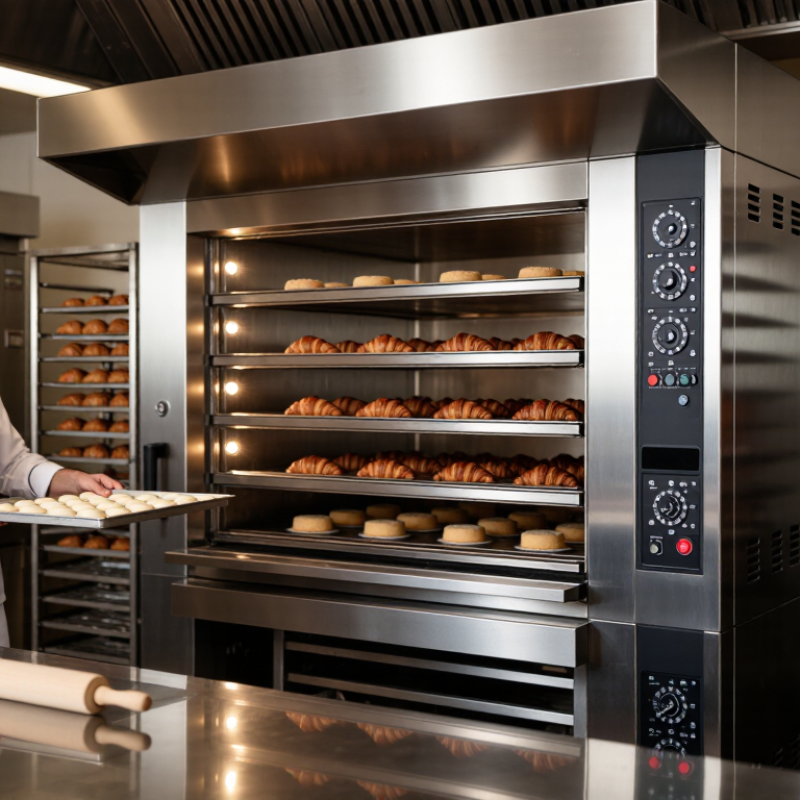
Before comparing ovens, map out what your bakery actually makes. A shop producing flaky croissants has different needs from one baking cookies, tarts, and sponge cakes. Note your busiest hours, typical batch sizes, tray dimensions, and daily output. Small details matter. A narrow oven may slow loading when several trays need attention at once.
Consider how consistently your products bake and how much control they require. Convection ovens circulate hot air and can suit varied batches, while deck ovens offer direct heat useful for some pastry styles. Steam injection may help with certain doughs, but it is not essential for every menu. Ask staff to record uneven browning, long recovery times, or crowded loading during a normal shift. Their observations can be more useful than a sales estimate. I’ve seen production plans change after one busy morning, so leave room for honest revision.
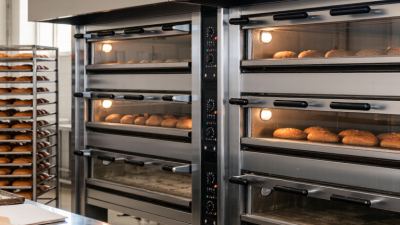
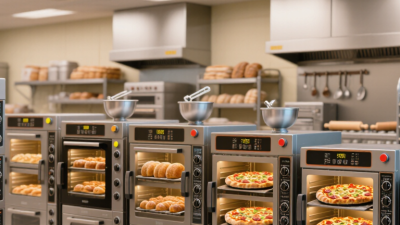
A convection oven moves hot air around the chamber, helping trays of croissants or cookies bake more evenly. It suits bakeries that need steady output across several shelves. However, the fan can dry delicate dough or disturb light toppings, so check whether its speed can be adjusted.
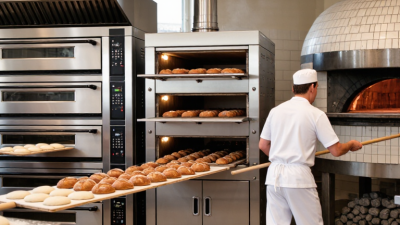
A deck oven heats from the floor and ceiling, giving bread and pastries direct radiant heat. Its stone or steel deck can support crisp bottoms, especially on danishes and tarts. Heat may vary between decks, though, and a heavily loaded chamber can recover slowly. That matters. Electric models often offer precise temperature control, while gas ovens may heat quickly but can have different hot spots. Either way, verify temperatures with an independent oven thermometer during a real bake.
Some ovens combine convection with steam injection, which can help keep laminated dough supple during early baking. Steam is not a cure-all; too much can soften crusts or leave surfaces uneven. Consider your menu, batch size, ventilation, and available power before choosing. Test before buying. Bake the same tray in each shortlisted oven, then compare color, lift, and bake time. A specification sheet cannot reveal every quirk, and even experienced bakers may need to adjust recipes after installation.
Choose capacity around your busiest production period, not your average day. Count the trays you need per batch and check the oven’s usable tray dimensions, rack spacing, and recommended loading pattern. A listed tray count can be misleading if delicate pastries need extra room for airflow. More capacity is not always better. An oversized oven may use valuable floor space and energy while sitting partly empty.
Measure the full route into the bakery, including doorways, corners, and lift access. Then map the oven’s footprint, door swing, and room for cleaning and repairs. Check floor loading, heat clearance, ventilation, and the required electrical or gas supply against the installation specifications. These needs vary by oven model and site, so confirm them with a qualified installer before ordering. A tidy floor plan can still miss a tight delivery turn.
Tips: Mark the proposed footprint with tape and place a cardboard outline where the oven will stand. Open a mock door, carry a tray through the aisle, and note any awkward reach. Recheck the measurements; small errors happen. Keep written utility requirements and clearance details for the installer.
A pastry oven should hold steady heat across the whole baking cycle, not just reach the temperature shown on its display. Look for precise controls and even heat distribution; ask how much the temperature can vary between shelves. A small swing can change browning on delicate tarts. Small differences matter. If possible, test the oven with a full tray, since an empty cavity may behave differently.
Energy use depends on more than the rated power. Compare expected consumption at your bakery’s typical production level, including preheating and idle periods. Door insulation and recovery time after opening can affect daily use. A fast preheat sounds appealing, but it may matter less than stable performance during repeated batches. Keep notes. Real utility costs can differ from estimates, so treat projections as a guide rather than a promise.
Maintenance affects both reliability and food quality. Check whether racks, seals, and interior panels are easy to inspect and clean. Ask what routine service involves and whether common parts are straightforward to replace. Grease or crumbs trapped around door seals can reduce efficiency over time. It is easy to overlook cleaning access when comparing features; I would make a weekly cleaning task part of the evaluation, not an afterthought.
Compare the full cost of ownership, not just the purchase price. Include delivery, installation, electrical or gas work, ventilation, and routine servicing. Ask for estimated energy use under a realistic baking schedule. A cheaper oven may cost more if it runs longer or needs frequent repairs. Check parts availability and warranty terms in writing.
Then verify performance with a practical test. Bake your usual pastry in the oven, using the same tray positions and load you expect during a busy shift. Note how evenly the tops brown, whether bottoms bake through, and how quickly the oven returns to temperature after the door opens. Look for clear controls and stable readings. Small differences matter.
Ask to repeat the test with several trays. Watch for pale corners or uneven color. If possible, bring dough prepared with your normal recipe; unfamiliar test products can hide problems. Record temperatures and baking times, rather than relying on a quick showroom impression. Results may vary with tray material and room conditions, so one test is not proof of perfect performance. I would still leave some budget for adjustments after installation. That part is easy to underestimate.
Compare indicative equipment purchase-price ranges for common commercial oven types (USD). Actual costs depend on capacity, features, location, and installation.
Before buying: Request itemized quotes, including delivery and installation. Test shortlisted ovens with your own pastry recipes; check temperature accuracy, heat recovery after loading, and browning consistency across trays.