- Financing/Leasing Available | Se Habla Español
- +17137485441
- +17137485453


Top 10 Home Deck Ovens for Global Buyers
Choosing a home deck oven is less about chasing the highest temperature and more about matching heat, space, and daily baking habits. A compact countertop model may suit a small kitchen, while a larger oven can handle several loaves or pizzas at once. The differences show up in practical details: stone thickness, heat recovery between batches, steam options, controls, and access to local servicing. Small details matter.
Food writer and culinary authority James Beard wrote, “Good bread is the most fundamentally satisfying of all foods.” His words are about bread, not oven specifications, but they capture what buyers want from dependable baking equipment: a crisp crust, an even crumb, and repeatable results. This guide compares ten home deck oven options for buyers in different regions, with attention to capacity, temperature control, energy needs, installation, and value. Regional power supply and repair access can change which model makes sense, so a popular choice is not automatically the right one.
No oven wins in every kitchen. Specifications can also feel more certain than real-world baking; dough hydration, room temperature, and loading habits still affect results. The comparisons below aim to make trade-offs visible, not promise perfect bread. Use them to build a shortlist, then check current manufacturer details and local service availability before buying.
Understanding Home Deck Ovens and Their Main Uses
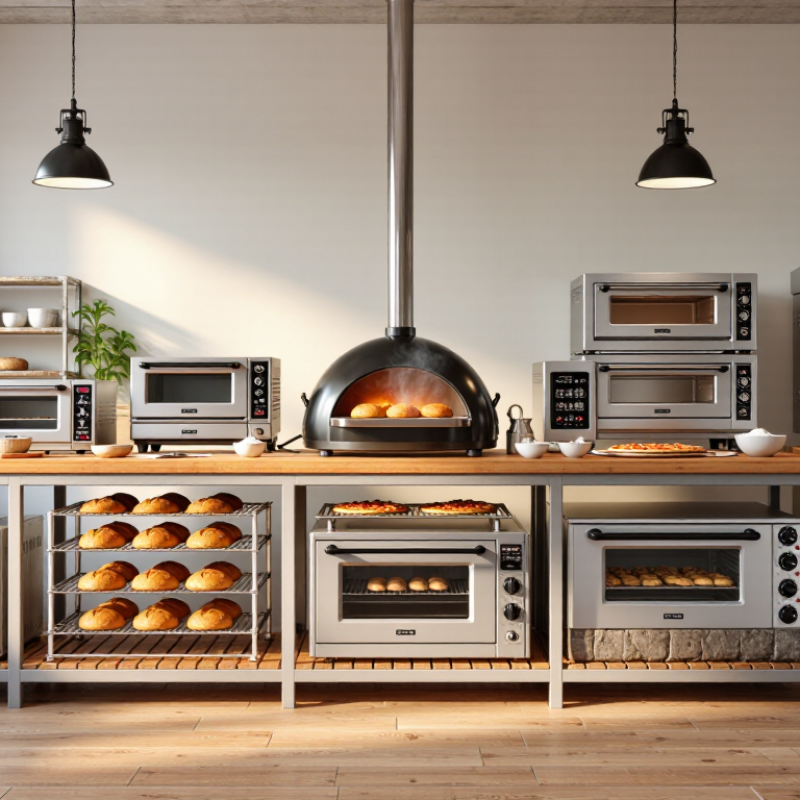
A home deck oven uses a heated stone, steel, or ceramic surface to cook food from below. Its upper heating element adds direct radiant heat, helping dough rise and crusts brown evenly. This design suits pizza, flatbreads, sourdough, pastries, and small roasted dishes. Unlike a standard oven, it often creates a firmer base and stronger edge texture. The best choice among the top ten depends on heat control, cooking space, insulation, and cleaning access. A compact unit may suit an apartment, while a larger oven supports family meals. Performance can vary with dough thickness and room temperature.
In practical use, preheating matters more than many buyers expect. A cold deck can leave the center soft while the edges darken. A surface thermometer gives more useful information than the display alone. Ventilation, heat-resistant gloves, and stable placement also deserve attention. Some ovens recover heat slowly after opening. That weakness is easy to overlook. I would not judge an oven from one perfect pizza; repeated tests with bread and pastry reveal more. Energy use, temperature accuracy, and repair support should also influence a careful purchase.
Tips: Preheat fully, then test with a small flatbread. Keep a short cooking log. Record deck temperature, baking time, and crust color. Clean spills after cooling, not while the surface is hot. Avoid excessive flour, which can burn and create bitter smoke. Rescue is not always possible.
Top 10 Home Deck Ovens for Global Buyers - Understanding Home Deck Ovens and Their Main Uses
The options below describe common home-use deck-oven configurations, not specific branded products. Dimensions and performance vary by model; temperature ranges are typical examples, so check the manufacturer's specifications before buying.
| No. | Home Deck Oven Configuration | Typical Decks | Typical Maximum Temperature | Best-Suited Uses | Key Buying Consideration |
|---|---|---|---|---|---|
| 1 | Compact single-deck electric | 1 | About 250–300°C (482–572°F) | Small pizzas, flatbreads, and occasional home baking | Check countertop footprint, circuit requirements, and usable deck area. |
| 2 | Countertop single-deck with separate top and bottom controls | 1 | About 250–350°C (482–662°F) | Pizza and baking where independent top/bottom heat adjustment is useful | Look for clear control ranges and even heat distribution. |
| 3 | Compact stone-deck electric | 1 | About 250–350°C (482–662°F) | Pizza, hearth-style bread, and crisp-bottom flatbreads | Stone adds thermal mass but takes time to preheat and needs careful handling. |
| 4 | Portable gas-fired deck oven | 1 | Often designed for high-heat cooking; verify the stated limit | Outdoor pizza and fast-cooking flatbreads | Confirm fuel type, ventilation, outdoor-use approval, and local safety rules. |
| 5 | Wood-fired home deck oven | 1 | Can exceed 400°C (752°F), depending on design and fire management | High-heat pizza, flatbread, and retained-heat baking | Requires fuel storage, fire management, suitable clearance, and proper exhaust. |
| 6 | Built-in single-deck electric | 1 | Typically around 250–350°C (482–662°F) | Regular home pizza and bread baking in a dedicated kitchen space | Plan for installation dimensions, ventilation, and electrical load. |
| 7 | Large single-deck electric | 1 | About 250–350°C (482–662°F) | Larger pizzas, multiple flatbreads, and batch baking | Compare internal deck dimensions, not just external oven size. |
| 8 | Double-deck electric | 2 | Often around 250–350°C (482–662°F) per deck | Preparing separate batches or foods at different settings | Check total power demand, heat recovery, and whether controls are independent. |
| 9 | Steam-capable electric deck oven | 1 or more | Varies by model; commonly suited to bread-baking temperatures | Bread with a crisp crust and a wider range of baked goods | Check steam controls, water supply or filling method, and cleaning requirements. |
| 10 | Modular electric deck oven with optional tiers | 1–3, depending on setup | Commonly around 250–350°C (482–662°F) | Flexible home baking where capacity may need to grow | Verify that the site can support the combined electrical load and installation requirements. |
Buyer note: A deck oven heats food on a flat cooking surface, often made from stone or another heat-retaining material. Actual capacity, temperature limits, preheating time, and installation requirements differ by model and market. Use the product manual and local electrical, gas, fire, and ventilation regulations as the final reference.
Related Posts
-
How to Choose the Best Home Deck Oven for Your Baking Needs?
-

Why Choose a Deck Oven for Your Baking Needs?
-
China Top 10 Deck Oven Manufacturers for Global Buyers
-
Top 10 Commercial Deck Oven Brands for Global Buyers
-
What Are the 2026 Top Bread Deck Oven Types?
-
2026 Top Home Deck Oven Features Buyers Must Consider?