10 Best Pizza Equipment for Commercial Kitchens?
A commercial pizza line succeeds through coordination, not one impressive oven. The right pizza equipment must support the menu, order volume, kitchen footprint, and staff experience. A compact deck oven may suit a neighborhood shop, while a busy delivery operation may need faster recovery between pies. The difference shows up during a Friday rush: dough waiting on the bench, toppings crowding the prep rail, and ovens struggling to keep pace.
The National Restaurant Association’s 2024 State of the Restaurant Industry report projected U.S. restaurant sales of $1.1 trillion in 2024. That figure covers the wider restaurant sector, not pizza businesses alone, but it signals the scale of the operating environment. PMQ Pizza Power Report tracks the pizza segment separately, including sales trends and operator challenges. Together, these sources make a practical point: equipment choices affect throughput, labor, and consistency—not just the menu.
Pizza historian Scott Wiener, founder of Scott’s Pizza Tours, is a relevant voice on how equipment shapes pizza styles. However, no source text was provided to verify a direct quotation from him, so attributing a quote would risk misrepresenting his words. This guide instead compares ten essential equipment categories, from ovens and dough mixers to refrigeration and prep tables. Some recommendations will depend on local demand. That is worth admitting. The best setup is not always the largest or newest; it is the one your team can operate reliably, clean thoroughly, and afford to maintain.
Understanding the Role of Pizza Equipment in Commercial Kitchens
10 Best Pizza Equipment for Commercial Kitchens?
Understanding the Role of Pizza Equipment in Commercial Kitchens
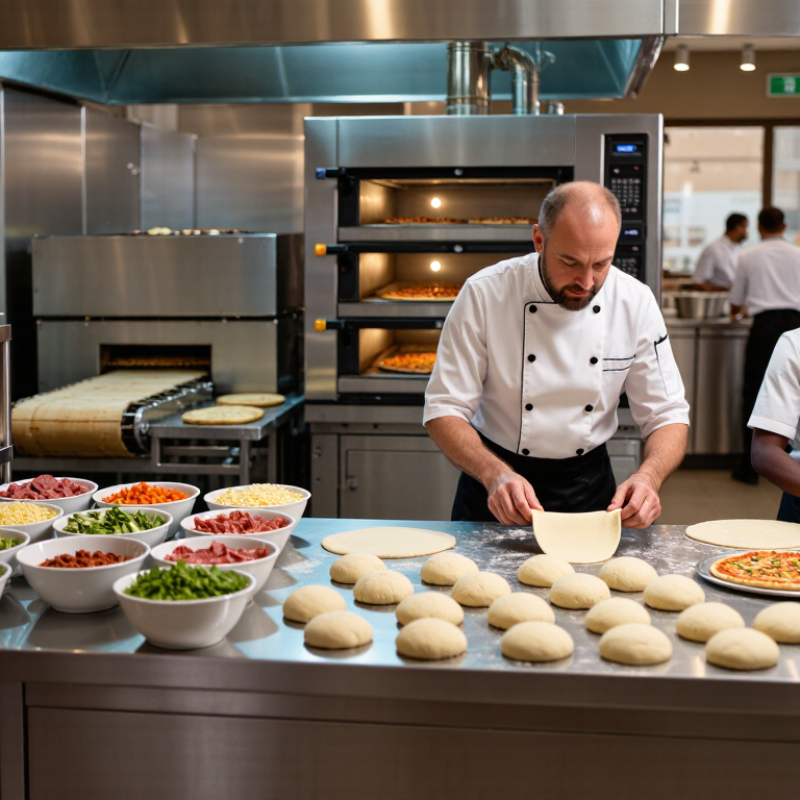
Pizza equipment does more than speed up service. It shapes dough consistency, food safety, and the pace of each order. A commercial kitchen may use a mixer, dough sheeter, scale, dough boxes, refrigerated prep table, oven, pizza peel, cutter, ventilation hood, and dishwasher. Each tool supports a different stage, from mixing flour and water to cleaning trays. When one station slows down, the whole line can feel it.
Tips: Match equipment capacity to your busiest expected shift, not an unusually quiet day. Keep chilled toppings within easy reach, and leave enough counter space for shaping dough. Check oven recovery time during back-to-back orders. Small details matter.
Good equipment choices depend on the menu, available space, and staff experience. A high-output oven may not help if the kitchen lacks room for safe movement. Likewise, a powerful mixer can produce uneven dough when batches are too small for its bowl. Measure doorways and work surfaces before ordering. Review cleaning access, electrical or gas requirements, and ventilation needs with qualified professionals. These checks reduce costly surprises, though a layout can still feel awkward once service begins. That is worth noticing and correcting.
Ten Essential Tools for Preparing and Shaping Pizza Dough
Reliable pizza dough starts with measured ingredients and controlled temperature. A digital scale keeps flour and water consistent; measuring cups can vary more than expected. An instant-read thermometer checks water temperature and helps explain slow fermentation. A spiral mixer develops dough evenly in busy kitchens, while a sturdy mixing bowl suits smaller batches. A dough whisk brings ingredients together with less sticky buildup on your hands.
Small details matter. A dough divider portions commercial batches quickly, though hand-cut portions may still need a quick weight check.
After mixing, a bench scraper lifts dough cleanly from the worktable. Lidded proofing trays keep dough balls covered and separated during service. A flour shaker applies a light, even dusting, reducing dry patches that can toughen the crust.
For thin, crisp styles, a rolling pin creates uniform rounds, but it can press air from softer dough. Use your fingertips when you want a more open rim.
Keep the work surface cool and scrape it between batches. I still find that extra flour often makes sticky dough harder to handle, not easier.
Ovens and Baking Equipment for Consistent Pizza Results
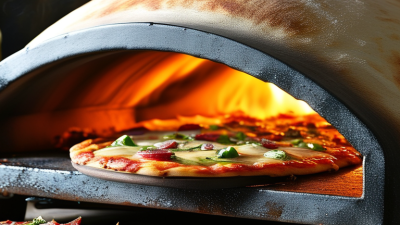
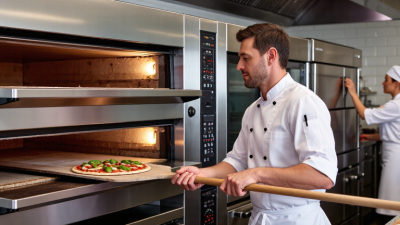
For consistent pizza, choose an oven around your menu and service pace, not just its maximum temperature. Deck ovens provide direct heat from a hot baking surface, helping produce crisp bases and browned edges. They suit kitchens where staff can manage pizzas individually. Conveyor ovens offer steady throughput and repeatable bake times, though toppings and dough may need adjustment to suit the moving heat. Convection ovens circulate hot air and can be useful when space or menu flexibility matters. Heat tells the truth.
Whichever oven you choose, allow time for it to preheat fully. A surface thermometer can reveal uneven hot spots that the control panel misses. Small details matter. Use sturdy peels for loading and turning, and select screens or pans that match the crust style you serve. Keep dough portions consistent; even a well-calibrated oven cannot fix uneven thickness. The first batch can still surprise you. Record bake times, oven settings, and results during busy periods, then adjust one variable at a time. It is tempting to blame the oven when a pizza bakes poorly, but dough temperature, crowded loading, and frequent door openings can also change the result. No setting works perfectly every shift. That is worth checking.
10 Best Pizza Equipment for Commercial Kitchens? Ovens and Baking Equipment for Consistent Pizza Results
Typical Operating Temperature Ranges for Commercial Pizza Ovens
Oven temperature ranges are approximate and vary by model, fuel, and cooking setup. Match the oven to your menu and workflow, and follow the manufacturer’s operating guidance for consistent results.
Topping, Cutting, and Serving Equipment for Efficient Operations
Topping, cutting, and serving tools shape a pizza line’s pace. A refrigerated topping rail keeps cheese, sauce, and vegetables within reach, while shallow pans make refilling easier. Use portion scales or scoops to keep toppings consistent and limit costly overloading. The National Restaurant Association’s 2024 State of the Restaurant Industry report projected $1.1 trillion in restaurant sales and a workforce of 15.7 million. In busy kitchens, clear stations and repeatable portions help teams handle orders without unnecessary searching. Small details matter.
For cutting, choose a sharp wheel or rocker suited to the crust and expected volume. Keep it at a marked station with a stable cutting board; a dull blade can drag toppings across the pie. For service, use trays sized to the pizza and heat-resistant oven mitts. Keep clean serving tools separate from used ones. These steps are simple, but real shifts get messy. I would review the layout during peak service, not just during a quiet setup.
Tips: Set toppings in the order they go onto the dough, and label pans with prep times. Keep the cutter and serving trays close to the pass, but clear of the oven opening. Check portion sizes during a rush; the routine can slip. A short reset between orders helps, though it will not fix every bottleneck.
How to Select, Install, and Maintain Commercial Pizza Equipment
10 Best Pizza Equipment for Commercial Kitchens?
Selecting commercial pizza equipment starts with the menu, hourly order volume, and available floor space. A deck oven suits operators who value stone-baked crusts; a conveyor oven can support steadier output during rushes. Add a spiral mixer, refrigerated prep table, dough sheeter, scales, and suitable ventilation where the workflow requires them. Measure doorways and service clearances before ordering. A powerful oven is no bargain if staff cannot load it safely.
Installation affects both performance and safety. Have qualified technicians verify electrical or gas capacity, exhaust requirements, clearances, and local utility connections before commissioning. NFPA’s report, Structure Fires in Eating and Drinking Establishments, found cooking equipment involved in 61% of reported fires in these establishments from 2010 to 2014. That is a practical reason to keep filters, ducts, and surrounding surfaces clean. Small details matter.
Build maintenance into each shift: check oven temperatures, clean crumbs from decks, inspect mixer guards, and log refrigeration temperatures. Follow the equipment manual for deeper cleaning and scheduled servicing; improvised chemicals can damage surfaces. ENERGY STAR reports that certified commercial ovens can use up to 20% less energy than standard models. Compare measured operating costs, not just purchase prices. Real kitchens are messy, and ideal schedules slip, so assign named staff to checks and record missed tasks honestly.