What Is the Best Oven for Pizza?
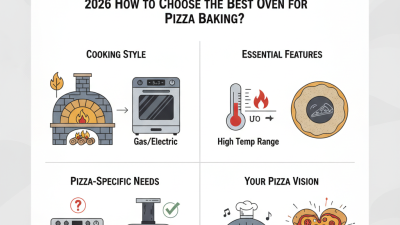
Choosing the best oven for pizza depends on more than maximum temperature. Dough style, cooking space, fuel preference, and daily habits all shape the right decision. A thin Neapolitan crust may need intense heat above 800°F, while a pan pizza benefits from steadier, gentler baking. Home cooks should also consider preheating time, insulation, cleaning, and temperature control.
Small details matter. A stone or steel should heat evenly before the pizza enters. A strong oven can still produce uneven crusts if the heat source is poorly positioned. I have found that turning a pizza halfway often improves browning, especially in compact countertop models. That practical step is easy to overlook. It should not be.
This guide compares wood-fired, gas, electric, and countertop options using realistic cooking needs. It will examine heat performance, recovery time, cooking space, operating costs, and ease of use. Manufacturer specifications provide useful starting points, but real kitchen results can differ. Flour hydration, topping weight, and launching technique all influence the final crust. There is no perfect answer.
Some expensive models may not suit beginners. Some affordable ovens perform surprisingly well with practice. That is worth remembering. The best choice should match your recipes, available space, and willingness to learn. Safety features, stable construction, and clear instructions also deserve attention. By weighing these factors carefully, you can choose an oven that delivers crisp edges, a balanced center, and repeatable results. Even then, a little trial and error remains part of making good pizza.
Pizza Oven Types: Wood-Fired, Gas, Electric, Deck, and Conveyor Models
What Is the Best Oven for Pizza?
Pizza Oven Types: Wood-Fired, Gas, Electric, Deck, and Conveyor Models
The best pizza oven depends on your dough, space, and service speed. I have found that heat recovery matters as much as maximum temperature. A hot oven is not always a consistent oven.
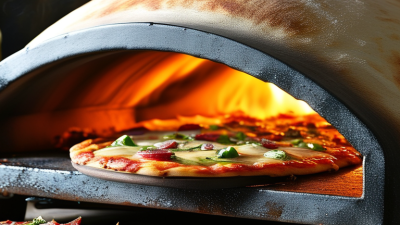
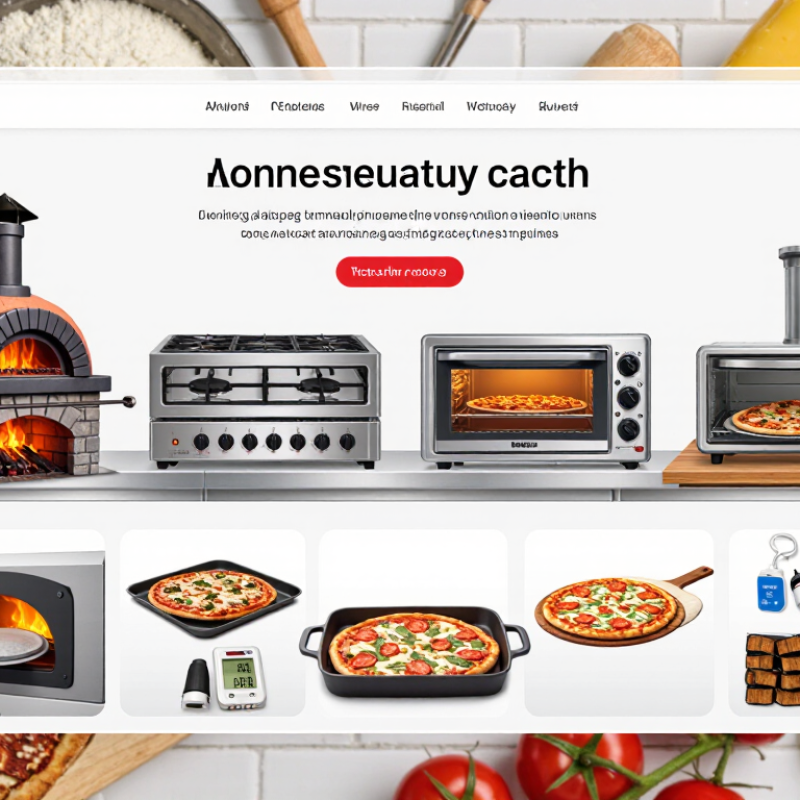
Wood-fired models create strong radiant heat and a lightly smoky crust. They require fire management, ash removal, and practice. Gas ovens offer steadier control and quicker starts. They suit cooks who want repeatable results without handling fuel. Electric ovens work well in apartments and small kitchens. Their stable heat helps with thin crusts, although some models brown toppings more slowly. My first comparison focused only on temperature. That was too simple.
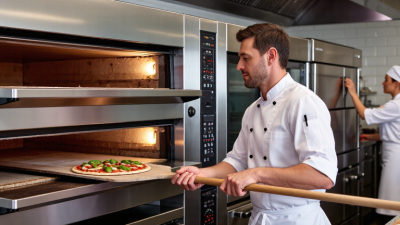
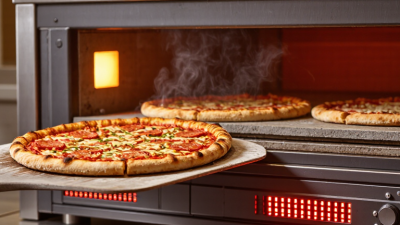
Deck ovens heat pizzas from a solid surface, producing a firm base and controlled browning. They are useful for thicker dough and careful, hand-timed baking. Conveyor ovens move pizzas through a heated chamber at a set speed. They support busy operations, but crust texture can feel less flexible. Small adjustments are harder. Check chamber size, insulation, recovery time, cleaning access, and electrical or gas requirements before buying. A thermometer helps reveal uneven zones. So does baking two pizzas together. One may brown beautifully while the other remains pale. That small test can expose a major weakness.
What Is the Best Oven for Pizza? - Pizza Oven Types: Wood-Fired, Gas, Electric, Deck, and Conveyor Models
| Oven Type |
Heat Source |
Typical Operating Temperature |
Typical Preheat Time |
Typical Pizza Cook Time |
Best Suited For |
Main Advantages |
Main Limitations |
| Wood-Fired |
Seasoned hardwood logs or wood pieces |
650–900°F (343–482°C) |
30–60 minutes |
60–120 seconds for thin-crust pizza |
Traditional Neapolitan-style pizza and outdoor cooking |
Very high heat, smoky aroma, rapid baking, and strong visual appeal |
Requires fuel storage, fire management, ventilation, and regular ash cleaning |
| Gas-Fired |
Natural gas or liquefied petroleum gas |
500–750°F (260–399°C) |
20–45 minutes |
2–5 minutes |
Home cooks and kitchens seeking fast, adjustable heat |
Quick ignition, steady temperature, precise flame control, and less ash |
Needs a suitable gas connection or cylinder and usually requires ventilation |
| Electric |
Electric heating elements |
450–700°F (232–371°C) |
15–40 minutes |
3–8 minutes |
Indoor kitchens, apartments, and users who want simple operation |
Easy temperature control, no combustion gases, low maintenance, and consistent results |
May have a lower maximum temperature and can draw substantial electrical power |
| Deck |
Gas or electric elements heating a stationary stone or ceramic deck |
450–650°F (232–343°C) |
30–60 minutes |
5–12 minutes |
Pizzerias, bakeries, and kitchens producing artisan or pan-style pizza |
Excellent bottom-crust browning, separate deck zones, and flexible baking capacity |
Larger footprint, longer recovery than high-speed ovens, and more manual loading |
| Conveyor |
Gas or electric heating elements with a moving belt |
450–700°F (232–371°C) |
15–30 minutes |
4–10 minutes, depending on belt speed and temperature |
High-volume restaurants, cafeterias, and takeout operations |
Consistent throughput, repeatable results, reduced handling, and easy production scheduling |
High purchase cost, large footprint, energy use, and less flexibility for irregular products |
Quick Selection Guide:
Choose a wood-fired oven for traditional flavor and high heat, a gas or electric oven for convenient everyday use, a deck oven for versatile artisan baking, and a conveyor oven for consistent high-volume production.
Temperature, preheat time, and cooking time vary according to oven insulation, chamber design, pizza thickness, dough hydration, topping load, and operating conditions.
Temperature Standards: AVPN’s 752–842°F Range for Neapolitan Pizza
What Is the Best Oven for Pizza?
For Neapolitan pizza, temperature is not a marketing detail. It is the working standard. The Associazione Verace Pizza Napoletana (AVPN) specifies an oven range of 752–842°F, or 400–450°C, for authentic baking. At this heat, a thin dough can develop a spotted crust while the center stays soft. The recommended bake is usually brief, often around 60–90 seconds, depending on dough weight, hydration, and oven recovery. Heat must reach the floor, not only the air.
Look for measurable performance. An infrared thermometer can check the stone, while an oven probe tracks air temperature. These readings may disagree. That is normal. A 2024 industry report from PMQ Pizza Magazine estimated the U.S. pizza restaurant market at approximately $46.3 billion in 2023. Such scale increases the value of consistency, especially during busy service. A suitable oven should recover quickly after each pizza and maintain even heat near the cooking surface. A dramatic flame is less useful than stable thermal control.
The 842°F ceiling still needs judgment. Thin, wet dough may scorch before the toppings finish. A cooler floor can produce a pale underside and a dry rim. Test one pizza first. Watch the leopard-like spots, rim lift, cheese bubbling, and base flexibility. Record the result. Small adjustments matter. AVPN standards provide a target, not a substitute for observation. Temperature alone never guarantees excellent pizza.
What Is the Best Oven Temperature for Neapolitan Pizza?
Traditional Neapolitan pizza is baked at an exceptionally high temperature range of 752–842°F (400–450°C). The lower and upper limits are shown below in both Fahrenheit and Celsius.
Heat Transfer: How Stone, Steel, Convection, and Radiant Heat Affect Crust
What Is the Best Oven for Pizza?
The best pizza oven depends on how heat reaches the dough.
A baking stone stores heat and releases it steadily through the base. This creates a dry, firm crust with gentle browning. Stone needs enough preheating time, often longer than expected. My first test failed because the surface felt hot, but its center remained cooler.
Steel transfers heat faster than stone because metal conducts energy efficiently.
It can produce strong browning and crisp edges, especially with a thin crust. However, steel may darken the underside before the toppings finish cooking. I now watch the base closely instead of trusting the timer.
Convection moves hot air around the oven, helping toppings cook evenly.
It is useful when baking several pizzas, but moving air can dry exposed dough. Radiant heat from the upper walls and ceiling cooks the cheese and blisters the rim. Strong top heat matters more than many beginners realize. A balanced oven combines a hot floor, active airflow, and direct radiant energy. Small temperature changes can alter the result. I still sometimes overbake the rim while waiting for the center to set. That mistake reminds me to judge color, texture, and firmness together.
Performance Metrics: Comparing Recovery Speed, Capacity, and Energy Efficiency
Choosing the best oven for pizza depends on measurable performance, not impressive temperature claims. Recovery speed matters when several pizzas enter the chamber within minutes. I test this by recording the temperature before loading, after loading, and two minutes later. A strong oven regains heat quickly, keeping the next crust from turning pale or chewy. In home testing, a recovery under three minutes feels practical for small gatherings. My timing is not laboratory-grade, though. Door-opening habits can distort the result.
Capacity also changes real cooking performance. A compact oven may bake one excellent pizza, but a wider chamber handles dinner service more comfortably. Measure usable rack space, not the advertised interior size. Two medium pizzas may fit physically, yet airflow can suffer between them. I leave several centimeters around each pizza when possible. Crowded baking creates uneven browning. That lesson cost me a few undercooked centers.
Energy efficiency deserves attention beyond the power rating. Compare energy used during preheating and during a full cooking session. An insulated chamber should retain heat after the first bake, reducing repeated electrical demand. Short cooking cycles can also limit energy use, but only when recovery remains consistent. I use a plug-in energy meter and record readings across three sessions. One test is not enough. Ambient temperature, dough thickness, and preheating time all influence the result. A useful evaluation combines recovery speed, practical capacity, and measured consumption, while admitting that kitchen conditions rarely stay perfectly controlled.
Selection Criteria: Matching Oven Type to Pizza Style, Space, and Budget
What Is the Best Oven for Pizza?
Selection Criteria: Matching Oven Type to Pizza Style, Space, and Budget
Choosing the best oven starts with the pizza you actually bake. A compact electric oven suits apartments, weeknight meals, and thin crusts with predictable heat. It heats quickly, but its cooking surface may limit larger pizzas. A gas oven offers stronger heat and useful control for frequent home cooks. Still, ventilation and safe installation require careful planning.
I once underestimated counter space and regretted losing room for dough preparation.
For Neapolitan-style pizza, choose an oven that reaches very high temperatures and cooks rapidly. The crust should blister while the center stays tender. Thicker pizzas need steadier, gentler heat, especially when toppings release moisture. A wood-fired oven can add intense heat and smoky character, but it requires fuel, practice, and regular cleaning. It may be excessive for occasional cooking.
Measure the oven, doorways, clearance, and storage area before purchasing. Budget for tools too.
Tips: Match capacity to your usual serving size, not your biggest imagined party. Check maximum temperature, preheating time, power requirements, insulation, and warranty terms. An infrared thermometer can reveal uneven zones that a display hides. Keep a simple log of baking time, temperature, and crust texture. Your first choice may need adjustment.