What is a Wood Burning Oven and How Does It Work?
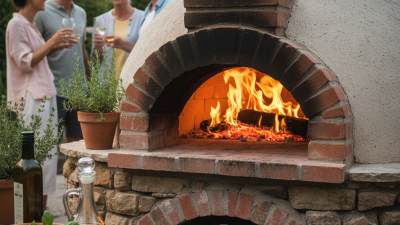
A wood burning oven is a unique and traditional cooking appliance. It harnesses the power of firewood to create a distinctive culinary experience. Many chefs and home cooks appreciate its ability to impart rich, smoky flavors to dishes.
The wood burning oven operates by using natural wood as fuel. This method creates high temperatures that are perfect for baking bread and roasting meats. Firewood burns slowly, allowing for even heat distribution. However, using a wood burning oven requires practice and knowledge. It is important to monitor the temperature closely and adjust the fuel accordingly.
Safety is crucial when working with a wood burning oven. Make sure it is installed correctly, preferably by a professional. Proper ventilation is vital to ensure that smoke does not build up indoors. Reflecting on the process and consistently improving your technique can lead to better results. Embracing the learning curve can make using a wood burning oven a rewarding experience.
What is a Wood Burning Oven? An Overview of Its Definition and Use
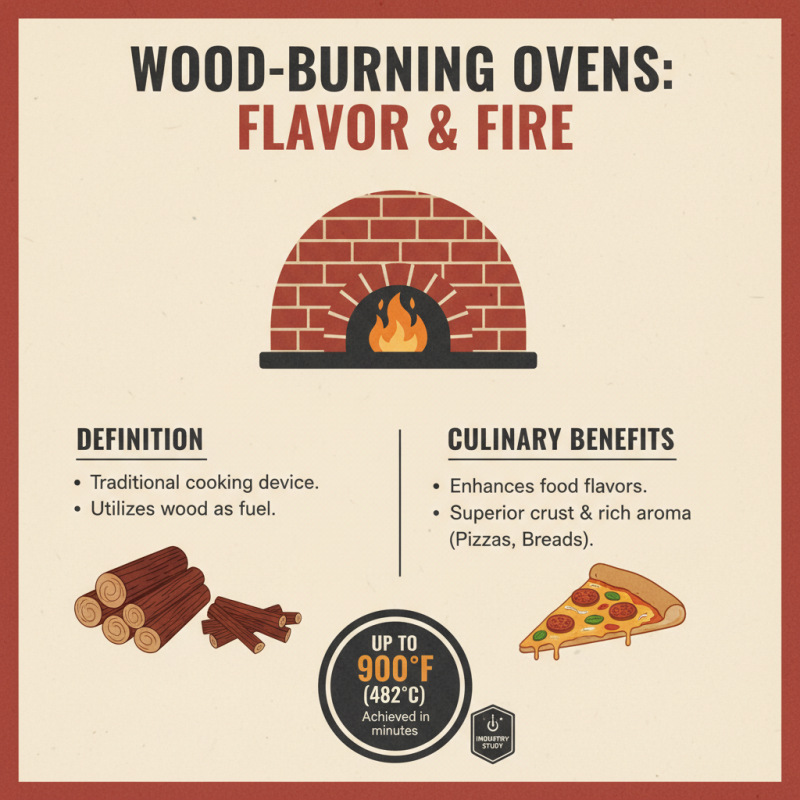
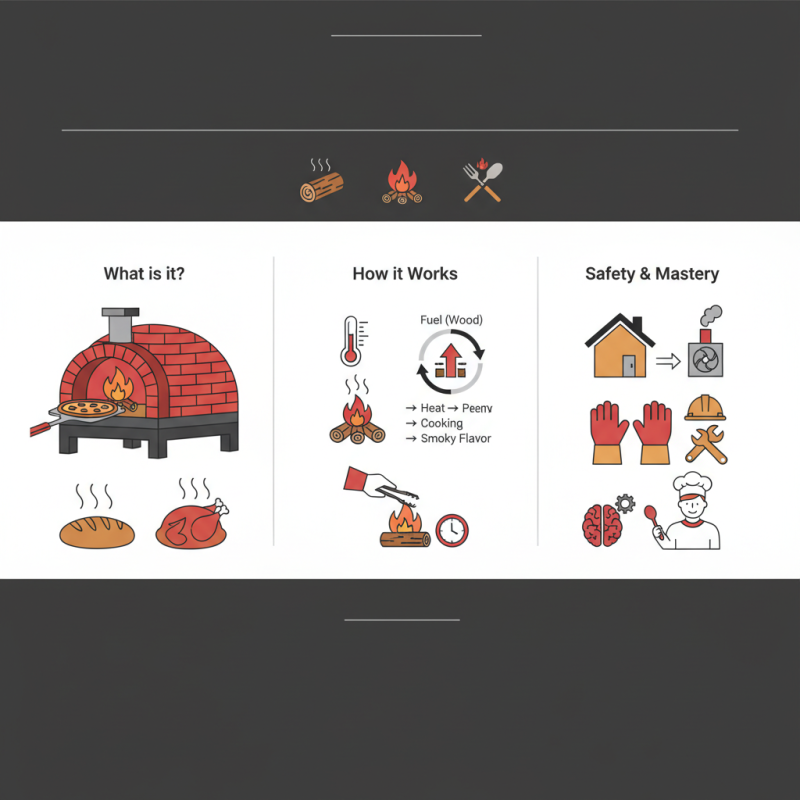
A wood burning oven is a traditional cooking device that utilizes wood as fuel. It serves to enhance the flavors of food with its unique cooking technique. High temperatures achieved by burning wood often lead to a superior crust and a rich aroma in baked goods, particularly pizzas and breads. According to industry studies, ovens of this type can reach temperatures up to 900°F (482°C) in a matter of minutes.
These ovens offer a natural cooking experience, making them popular among amateur chefs and culinary professionals alike. The wood not only acts as fuel but also imparts distinct flavors to the food. Ashes from wood may require proper disposal, which can often be overlooked. Maintaining the oven is crucial for optimal performance and flavor quality.
**Tip:** Use seasoned wood for a cleaner burn, enhancing flavor and reducing smoke.
Cooking with a wood burning oven demands some practice. Achieving the right temperature can be challenging. It requires attentive monitoring and possibly adjusting firewood to maintain consistent heat. Over time, you might discover your preferred wood types and cooking styles, but it is a learning process.
**Tip:** Keep a log of your cooking temperatures and times to refine your technique.
The charm of wood burning ovens lies in their simplicity and the unique flavors they create. They invite users to explore and refine their skills while enjoying the rustic cooking experience they provide.
History of Wood Burning Ovens: From Ancient Techniques to Modern Applications
Wood burning ovens have a rich history that dates back thousands of years. Ancient civilizations, such as the Romans and Greeks, used these ovens for baking bread and cooking meals. They crafted them from clay and stone, creating durable structures that could retain heat well. The processes were often labor-intensive, requiring skill and craftsmanship. These ovens symbolized community cooking, where families came together.
As time progressed, wood burning ovens evolved. In the Middle Ages, they became essential in towns and villages. Bakeries emerged, with large communal ovens serving entire neighborhoods. People would bring their dough to be baked, a social event in itself. However, not all transitions were smooth. Many struggled with fire control and fuel efficiency, leading to variable cooking results. The challenge was ensuring consistent heat for perfect baking.
In modern settings, wood burning ovens have gained popularity again. Chefs and home cooks appreciate the unique flavors they impart. However, they can require significant maintenance and careful operation. Proper wood selection is crucial for clean burning and flavor. As we embrace eco-friendly cooking methods, the history of wood burning ovens serves as a reflection on traditions and practices that shaped culinary arts.
Historical Usage of Wood Burning Ovens
This bar chart illustrates the popularity index of wood burning ovens across various historical periods, showcasing their usage from ancient times through the modern era.
How Wood Burning Ovens Work: The Science of Heat Transfer and Cooking
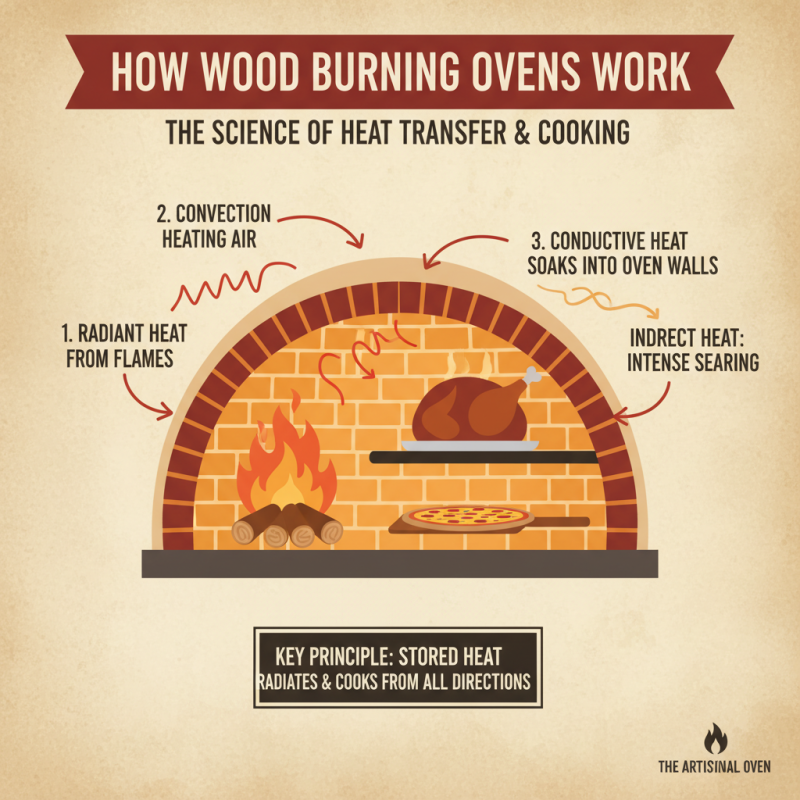
Wood burning ovens use a fascinating method of cooking that relies on heat transfer. The primary source of heat is the burning wood, which generates radiant heat. This heat warms the oven's interior and cooks the food evenly. The design of these ovens allows for direct and indirect heat cooking. Food placed closer to the flames gets that intense direct heat, while food further inside benefits from a more gentle, ambient warmth.
The science behind cooking in a wood burning oven involves convection and conduction. Hot air circulates within the oven, creating an even cooking environment. Notably, the materials used in construction, like stone or brick, absorb and retain heat. This characteristic provides a unique cooking experience that cannot be replicated in conventional ovens. Temperature control can be tricky, and many users have to adjust their techniques. Experimenting with wood types, moisture levels, and fire intensity adds complexity to the process.
It's essential to understand that cooking with a wood burning oven requires practice. Cooking times may vary based on conditions. Even experienced cooks encounter challenges. Mistakes can lead to undercooked or burnt food. But this process of refinement is part of the charm. Each meal becomes a learning experience. The interplay of heat and flavors can lead to delightful surprises. With patience and reflection, the art of wood-fired cooking can truly be mastered.
Benefits of Using Wood Burning Ovens: Flavor, Efficiency, and Sustainability
Wood burning ovens offer unique advantages in cooking. They impart a distinct smoky flavor that enhances the taste of various dishes. According to a report from the Food Lab, foods cooked in wood ovens often have a richer taste profile. This is due to the natural compounds released during combustion. The Maillard reaction occurring in these ovens can create a crispy exterior while maintaining moisture inside.
Efficiency is another key benefit. Wood burning ovens reach higher temperatures than conventional ovens. A study by the Green Building Council indicates they can achieve temperatures up to 900°F (482°C). This high heat cooks food faster and can help reduce energy use. When compared to electric ovens, wood burning ovens can be 30% more efficient, depending on the wood type and burn technique.
Sustainability also plays a crucial role. Wood is renewable and, when sourced responsibly, has a lower carbon footprint. The U.S. Forest Service estimates that well-managed forests can absorb more CO2 than they produce. However, using wood as an energy source poses challenges. Deforestation and air quality issues arise without proper regulation and sustainable practices. Balancing these aspects is essential for maximizing benefits while minimizing negative impacts.
Considerations for Installation and Maintenance of Wood Burning Ovens
When installing a wood-burning oven, several factors deserve attention. The location is crucial. You need a flat, non-flammable surface. Adequate spacing from walls and ceilings is vital. This prevents fire hazards. Also, ensure proper ventilation. Smoke needs a safe exit. Poor airflow can lead to dangerous conditions.
Maintenance is another key aspect. Regularly check for buildup in flues. Creosote can accumulate and ignite. Cleaning these parts every few months is wise. Look for any cracks in the oven. These can lead to heat loss or even pose safety risks.
Tip: Use a brush designed for chimney cleaning. This ensures a thorough job. Inspect seals and gaskets regularly. They might wear out and require replacement. You don’t want smoke escaping into your space. Keeping track of these details can enhance your experience with wood-burning ovens.