What is a Wood Burning Oven and How Does it Work for Cooking Delicious Meals
A wood burning oven is a traditional cooking appliance that not only enhances the flavor of food but also brings an element of rustic charm to any kitchen or outdoor cooking space. Utilizing the natural heat and smoke generated from burning wood, these ovens are designed to cook meals in a unique way that differs from modern gas or electric ovens. The appeal of a wood burning oven lies in its ability to reach high temperatures, allowing for the perfect baking of pizzas, bread, and a variety of other dishes, infusing them with a distinct smoky flavor that is hard to replicate.
As the culinary world continues to embrace artisanal techniques, the wood burning oven stands out as a symbol of craftsmanship and patience. Cooking with a wood burning oven requires an understanding of fire management, as well as knowledge about the types of wood used, which greatly influence the taste of the food. This article will explore the ins and outs of wood burning ovens, discussing their functionality, the science behind wood combustion, and how to use them effectively to craft mouthwatering meals that celebrate the art of cooking with fire. Whether you're a seasoned chef or a home cook looking to elevate your dining experience, a wood burning oven can provide a delightful approach to preparing food.

What is a Wood Burning Oven?
A wood burning oven is a specialized cooking appliance that utilizes wood as its primary fuel source to create high-temperature cooking environments. These ovens are traditionally made from materials like brick, stone, or clay, which retain and radiate heat effectively. The process begins with seasoned hardwood being burned inside the oven, generating intense heat that can reach temperatures upwards of 800°F (425°C). This impressive heat is ideal for baking bread, roasting meats, and cooking pizzas, producing dishes with unique flavors and textures that are hard to replicate with other cooking methods.
Tips for using a wood burning oven effectively include ensuring you use well-seasoned wood, as this burns hotter and produces less smoke than green wood. Preheating the oven is crucial; allowing sufficient time for the oven to reach the desired temperature ensures even cooking. Additionally, managing the airflow and positioning the wood can help maintain consistent heat levels throughout your cooking process. Never overcrowd the oven, as this can lead to uneven heating and prolonged cooking times.
Another important tip is to monitor your cooking closely, as the high temperatures can cook food faster than conventional ovens. Adjusting the placement of your food on the cooking surface can help achieve the desired doneness. Experimenting with different types of wood can also enhance the flavor of your meals, as different woods impart distinct tastes to the food.
What is a Wood Burning Oven and How Does it Work for Cooking Delicious Meals
| Feature |
Description |
Advantages |
Common Uses |
| Material |
Typically made of brick, stone, or metal |
Durable and retains heat well |
Baking, roasting, smoking |
| Heat Source |
Uses wood logs for fuel |
Produces high, consistent heat |
Pizza, bread, meats |
| Temperature Range |
Can reach up to 900°F (482°C) |
Ideal for high-temperature cooking |
Perfectly baked pizzas and crusts |
| Cooking Style |
Combines convection and radiant heat |
Enhances flavor through wood smoke |
Best for outdoor gatherings |
| Maintenance |
Requires regular cleaning and monitoring |
Long lifespan if maintained properly |
Used in both residential and commercial settings |
The History and Evolution of Wood Burning Ovens
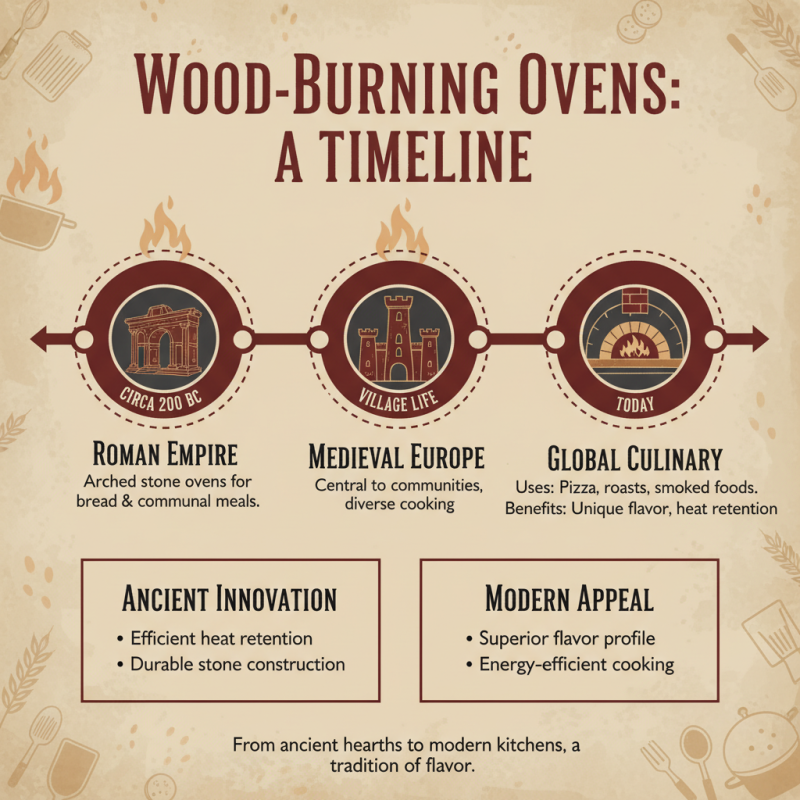
Wood burning ovens have a rich history that dates back to ancient civilizations, where they were primarily utilized for baking bread and cooking meals. The earliest known wood-fired ovens were constructed by the Romans around 200 BC, featuring arched stone structures that could retain heat effectively. This method of cooking became integral to communal life, providing nourishment and warmth.
Over the centuries, as societies evolved, so did the technology behind wood burning ovens. In the Middle Ages, these ovens were commonplace in European kitchens, often built within large hearth structures. The addition of insulation materials in the Renaissance improved the efficiency and heat retention of these ovens, making them capable of reaching higher temperatures. Reports indicate that, even today, wood burning ovens can reach temperatures up to 900°F (480°C), which is ideal for achieving that coveted crispy crust and smoky flavor in pizzas and breads.
**Tips:** When using a wood burning oven, it is crucial to select the right type of wood for optimal flavor. Hardwoods like oak or hickory are preferred for their ability to burn slowly and produce a consistent heat. Additionally, always allow the oven to preheat for at least 45 minutes to an hour, ensuring that the cooking surface reaches the proper temperature for the best cooking results.
As the popularity of wood fired cooking resurged in recent years, it has been noted that these ovens not only enhance culinary experiences but also promote sustainability. Reports show that modern designs incorporate eco-friendly materials and practices, aligning with the increasing consumer demand for environmentally conscious cooking solutions. Embracing the legacy of wood burning ovens distills a sense of tradition and craftsmanship into the culinary arts.
How Wood Burning Ovens Generate Heat for Cooking
Wood burning ovens are renowned for their unique ability to generate high heat efficiently, which is essential for cooking a variety of delicious meals. Unlike conventional ovens, which typically use gas or electricity, wood burning ovens utilize the combustion of wood to create an intense heat environment. According to a report by the Hearth, Patio & Barbecue Association (HPBA), wood burning ovens can reach temperatures of up to 800°F (427°C) or more, making them ideal for baking pizzas and roasting meats. The high heat not only reduces cooking time but also enhances the flavor of the food, giving dishes a distinct smoky aroma that is highly sought after.
The process begins with the ignition of seasoned hardwood, which is known for its low moisture content and high energy density. As the wood burns, it produces flames and embers that radiate heat throughout the oven. The heat is retained by the oven's thick materials, such as fire bricks or stones, allowing for even cooking and excellent heat retention. A study by the National Institute of Standards and Technology (NIST) indicates that wood burning ovens can maintain their temperatures for extended periods, which is crucial for slow-cooked recipes. This combination of rapid heating and prolonged heat retention makes wood burning ovens not only efficient but also a favorite among culinary enthusiasts aiming to create authentic, flavorful meals.
Cooking Techniques and Culinary Benefits of Wood Burning Ovens
Wood burning ovens are revered for their unique ability to impart rich flavors and enhance the cooking experience. One of the primary cooking techniques employed in these ovens is the use of high, sustained heat which cooks food evenly and quickly. The intense heat creates a perfect environment for pizza, bread, and roasted meats, allowing for a crispy exterior while keeping the inside moist. The combination of radiant heat from the oven walls and convection from the hot air circulating inside allows ingredients to caramelize beautifully, elevating the taste profile of any dish.
In addition to the superior cooking capabilities, wood burning ovens also provide significant culinary benefits. The wood itself infuses food with a distinct smoky flavor that cannot be replicated by gas or electric ovens. Different types of wood, such as oak, hickory, or cherry, can be used to impart various aromas and tastes, adding layers to the dishes being prepared. Furthermore, the traditional cooking method encourages a communal experience, as friends and family gather around the oven, adding to the social aspect of preparing meals together. This hands-on approach not only fosters creativity in the kitchen but also enhances the enjoyment of sharing food cooked to perfection.
Benefits of Using a Wood Burning Oven
This chart illustrates the various culinary benefits of cooking with a wood burning oven, highlighting aspects such as flavor intensity, cooking time, fuel efficiency, versatility, and temperature control. The values represent the effectiveness of each benefit on a scale of 1 to 100.
Safety Tips and Maintenance for Wood Burning Ovens
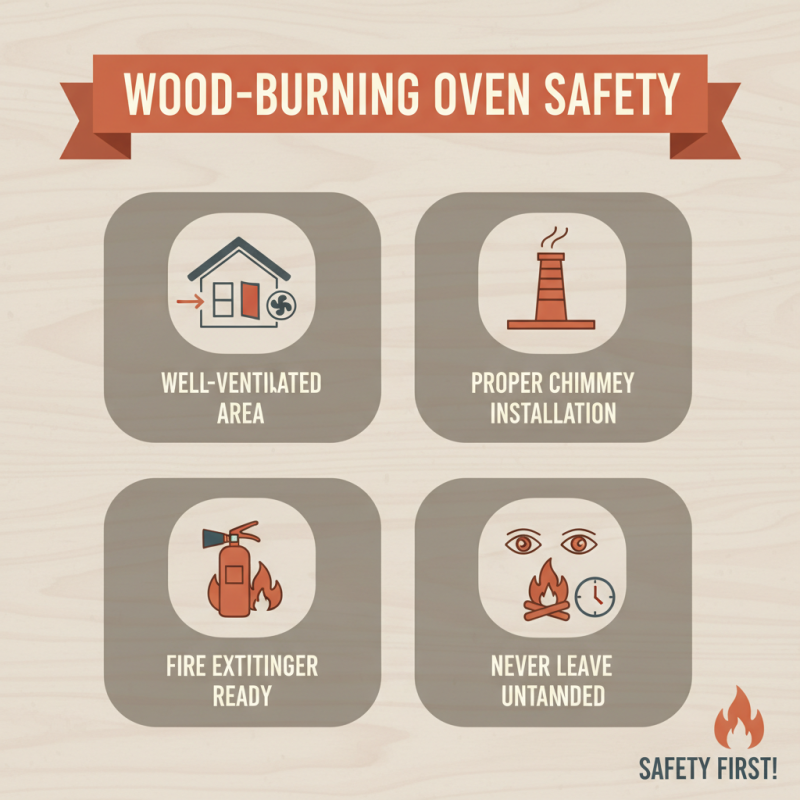
When using a wood burning oven, safety should always be a top priority. First and foremost, ensure that your oven is placed in a well-ventilated area to prevent smoke accumulation. The chimney should be installed properly to facilitate efficient airflow, reducing the risk of smoke backdrafts. Always have a fire extinguisher nearby, and familiarize yourself with its use. Additionally, it’s crucial to keep a watchful eye on the fire while cooking; never leave it unattended to avoid any accidental fires.
Maintenance is equally important to ensure the longevity and efficiency of your wood burning oven. Regularly check the oven for any cracks or signs of damage, especially around the chimney and firebox. Cleaning the flue and ash pan after use will prevent buildup that could affect performance and safety. An annual professional inspection can also help identify potential issues before they become significant problems, allowing for timely repairs.
**Tips:** When loading wood, use dry, seasoned logs to minimize smoke and ensure a hotter fire. Also, consider using a thermometer to monitor the oven’s temperature accurately—this ensures your meals are cooked to perfection while preventing overheating that could damage the oven. Lastly, remember to let the oven cool down completely before closing it to prevent any heat retention issues that could harm its structure.