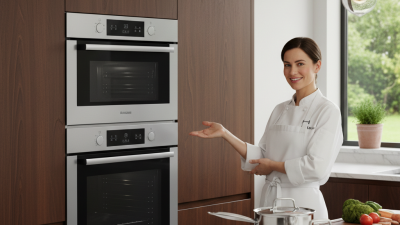
Choosing a single oven can make a kitchen feel calmer, cleaner, and more purposeful. It suits apartments, compact homes, and households that rarely prepare several dishes at once. Instead of managing two cavities, homeowners can focus on one dependable cooking space.
Steve Sheinkopf, CEO of Yale Appliance and a longtime appliance-industry analyst, offers a useful reminder: “The best appliance is the one that fits your cooking habits, not the one with the longest feature list.” That principle matters when comparing a single oven with a double model. A single oven usually needs less cabinet space, simplifies installation, and may reduce upfront costs. Its smaller footprint can leave room for wider drawers, better storage, or a more comfortable worktop.
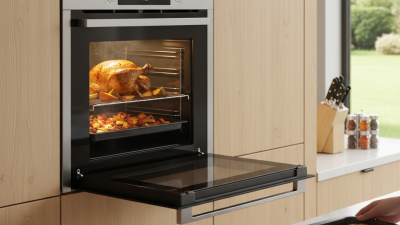
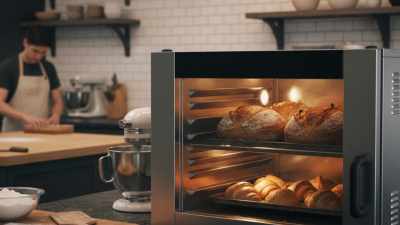
Small details matter. A clear glass door helps monitor a roasting chicken without releasing heat. Even heating supports golden pastry and evenly browned vegetables. Reliable controls also matter more than flashy screens.
Still, a single oven is not perfect. Hosting a holiday meal may require careful timing, especially when the turkey and dessert need different temperatures. That limitation deserves honest attention. Some buyers may also regret losing a second cavity later.
The right choice depends on real routines, not showroom excitement. If most meals involve one tray, one casserole, or a weekend roast, a single oven can provide practical performance without unnecessary complexity. The decision becomes simpler when cooking habits lead the conversation.
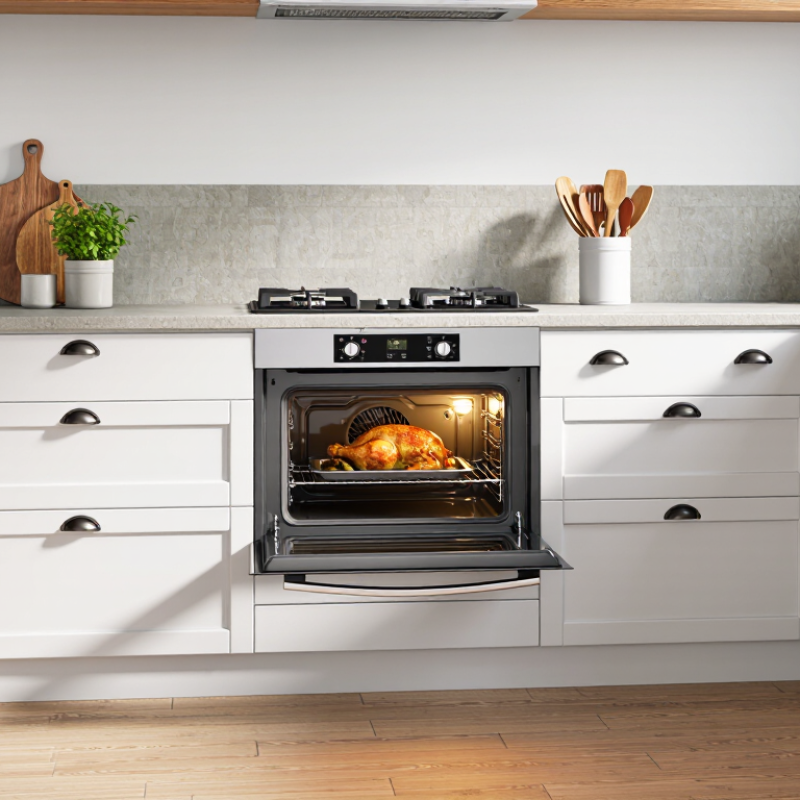
A single oven is one cooking cavity built into a wall unit or range. It usually includes one heating chamber, one door, and adjustable racks. Unlike double-oven configurations, it cannot cook two independent dishes at different temperatures.
Industry capacity reports often place mainstream single ovens between 4.0 and 5.0 cubic feet. That equals roughly 113 to 142 liters. The U.S. Department of Energy measures oven volume through usable cavity dimensions, rather than exterior size alone. This distinction matters. A wide-looking oven may lose space to insulation, racks, or curved corners.
A 4.0-cubic-foot cavity can hold a large roasting pan and several side dishes. A 5.0-cubic-foot cavity offers more flexibility for holiday meals or oversized cookware. The Association of Home Appliance Manufacturers identifies usable capacity as a practical comparison point for cooking appliances. Still, published measurements can vary slightly by test method. That is easy to overlook.
In my experience, one oven suits households that cook ordinary meals, not simultaneous courses. It also simplifies installation and cleaning. The compromise is obvious during busy gatherings. You may need to stagger dishes, adjust temperatures, or use a countertop appliance. More space is useful, but it does not automatically mean better cooking.
A single oven can make a kitchen easier to organize, but its success depends on the work aisle. The National Kitchen and Bath Association’s Kitchen Planning Guidelines recommend a 42-inch work aisle for one cook. That space should run between the oven, counters, and nearby cabinets. It allows a person to open the oven door, turn safely, and place a hot tray without blocking preparation areas.
Measure the aisle with doors and handles included. A beautiful plan can fail by two inches. Keep the oven close to the main preparation counter, not at the end of a narrow passage.
Place a heat-resistant landing surface beside it. This reduces carrying distance and limits contact with people walking through the kitchen.
The NKBA recommends a wider 48-inch work aisle when multiple cooks regularly share the space. A single oven may still work well, especially when meals follow one cooking sequence rather than several overlapping tasks.
The 2024 Houzz & Home Study shows that homeowners continue investing heavily in kitchen renovations, making early layout planning important. Yet spending more does not correct poor circulation. In my experience, users notice aisle pressure quickly when a door opens during dinner preparation.
Test the plan with a tape outline on the floor. Stand there. Open the oven. Turn with a full baking tray. It may feel slightly awkward. That reaction is useful.
A single oven can be a sensible choice for kitchens where cooking needs are moderate. Its energy label, governed by EU Regulation 65/2014, gives useful efficiency information. Classes range from A+++ to D for covered domestic ovens, with higher classes generally using less electricity.
Look beyond the class letter. The label lists energy consumption per cycle, measured in kilowatt-hours, for conventional and fan-assisted heating. For example, an oven using 0.85 kWh per cycle may consume about 88 kWh yearly at 100 uses. That estimate is not a promise. Your cooking habits matter more than the printed number.
Check both figures.
A single oven may reduce standby losses and avoid heating unused space. It can also use less electricity when meals fit comfortably on one tray. However, a smaller cavity is not automatically more efficient. Frequent reheating, long preheating, or cooking several separate batches can increase annual consumption.
From a practical review, the best comparison is based on your real routine. Count how often you bake, roast, or use fan heating. Then multiply the label’s kWh-per-cycle figure by your yearly use. Energy classes help narrow the choice, while annual kilowatt-hours reveal the likely running cost. I would also question unusually low estimates, because household behaviour rarely matches laboratory testing perfectly.
A single oven can suit households that cook one main meal at a time. The real question is capacity, not appearance. Measure your usual dishes before choosing a model. A 60-litre cavity may hold a roasting tray, vegetables, and a smaller baking dish. However, large family meals can become crowded quickly. Crowding blocks airflow and may create uneven browning.
Track your weekly cooking habits for several days. Note the size of your casserole dishes, baking trays, and poultry. In my experience, a household cooking dinner for two rarely needs maximum internal volume. A family preparing a roast, dessert, and side dishes simultaneously may need more space. Rack flexibility also matters. Adjustable shelves make it easier to separate tall cookware and shallow trays. Check the usable cavity dimensions, because advertised capacity can include spaces you cannot practically use.
Single-oven cooking often works well when meals follow a predictable schedule. Batch cooking can reduce repeated preheating, but it requires cooling and storage space. Some dishes also need different temperatures, which creates delays. I once underestimated this problem when planning a holiday meal. The oven was large enough, yet the timing still failed. A written cooking plan helps, although real kitchens remain imperfect. Leave room around dishes, use reliable oven thermometers, and avoid judging readiness by colour alone. Temperature checks are especially important for thick meats and egg-based dishes.
Why Choose a Single Oven for Your Kitchen?
A single oven can simplify kitchen planning, but installation details deserve close attention. Manufacturers specify cabinet dimensions, ventilation gaps, electrical ratings, and clearance distances for each model. Treat those instructions as essential, not optional advice. A few centimeters can affect airflow, door movement, and heat protection.
Measure the oven cavity, cabinet opening, and surrounding walls before ordering. Measure twice. Check whether the floor can support the appliance securely. Ventilation openings may need to remain unobstructed behind or beneath the oven. Do not assume a tightly fitted cabinet is automatically safe. Heat needs an escape. A qualified electrician should verify the circuit, grounding, and connection method. Existing wiring may look suitable while failing the required load.
Clearance around the door matters, especially near islands, drawers, and walkways. Open the oven fully and imagine removing a hot tray with both hands. That small test reveals awkward layouts quickly. Keep nearby materials within the manufacturer’s approved heat limits. Installation guides sometimes use technical diagrams that are easy to misread. A practical checklist can still miss something. Recheck the ventilation path after the oven is secured, and confirm that trim panels do not cover required openings. These careful steps make a single oven easier to use and less likely to develop installation problems.