Why Choose a Baking Oven for Home Use?
A baking oven for home use can turn a small kitchen into a dependable cooking space. It offers steady heat for bread, cakes, roasted vegetables, and family meals. Unlike a basic microwave, it can create crisp edges, browned cheese, and tender centers. The smell matters, too. Warm cinnamon and toasted butter make an ordinary evening feel special.
Shirley Corriher, a food scientist and author of BakeWise, explains, “Baking is a science, but it is also an art.” Her point remains practical. Accurate temperature, measured ingredients, and proper timing strongly affect results. A reliable oven supports these habits with stable heat and useful settings. Convection can brown cookies evenly. Broil functions can finish a bubbling casserole. A clear window helps you check progress without releasing heat.
Still, convenience can mislead. A larger oven may consume more energy and occupy valuable counter space. Some models also display temperatures that differ from actual internal heat. I have learned to use an oven thermometer and record successful settings. That small habit prevents repeated mistakes. It also builds confidence.
Choosing the right baking oven for home depends on cooking frequency, available space, and desired capacity. A compact model may suit occasional bakers. A larger unit may help families preparing several dishes together. Look for simple controls, strong insulation, removable racks, and accessible cleaning features. Safety matters as much as performance. The best choice is not always the most expensive one. It is the oven that matches real habits, realistic expectations, and the meals you genuinely want to make.
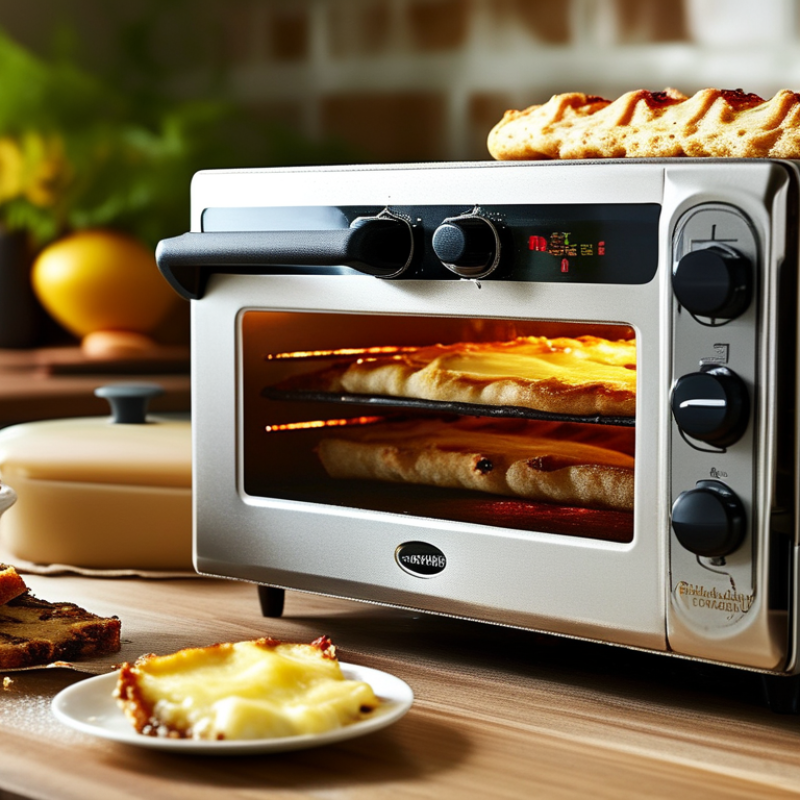
A home baking oven is a countertop or built-in appliance designed to heat food evenly in a household kitchen. Unlike a simple toaster, it provides controlled temperature, enclosed heat, and several cooking modes. Common settings include top heat, bottom heat, convection airflow, and broiling.
Inside, heating elements warm the chamber, while a thermostat measures and adjusts the temperature. Convection models add a fan to move hot air around the trays. This can improve browning and reduce uneven baking, although delicate cakes may dry faster.
A practical home oven should have a clear control panel, stable racks, an insulated door, and a reliable timer. These features matter when dough needs time to rise.
In daily use, I preheat with the rack in position and check the oven with a separate thermometer. The displayed number is useful, but it is not always exact. A 180°C setting may differ between the front and back of the chamber. I once trusted the display too much and baked pale cookies beside a hot corner. That mistake taught me to rotate trays carefully and leave space between pans. Good ventilation, heat-resistant gloves, and regular cleaning also support safer cooking. Every oven has habits worth learning.
A baking oven brings controlled heat into a household kitchen, making bread, cakes, vegetables, and roasted meals more predictable. Its heating elements convert electrical energy into heat. A thermostat measures the internal temperature and switches the elements on or off to maintain the selected setting.
Most household ovens use radiant heat, convection, or both. Radiant heat travels directly from the hot elements to the food. In convection mode, a fan moves hot air around the cavity, helping food cook more evenly. The metal walls and racks also store heat, so opening the door can cause a noticeable temperature drop. Preheating gives the oven time to stabilize, rather than relying on a cold chamber that slowly warms during baking. Still, the dial is not perfectly honest. Actual temperatures can vary, so an independent oven thermometer may reveal useful differences.
Tips: Place delicate cakes on the middle rack, where heat is usually more balanced. Leave space between trays for airflow. Avoid opening the door repeatedly, especially during the first half of baking. I sometimes check cookies too early, and their centers collapse. That small mistake shows why timing, rack position, and temperature work together. Wipe spills after the oven cools, because burned residue can create smoke during later heating. Use dry oven mitts and keep loose towels away from hot surfaces.
A baking oven gives home cooks more control over heat, timing, and texture. In everyday use, that control makes meals more predictable. You can roast vegetables until their edges turn brown, then bake bread with a crisp crust. A stable temperature also helps cakes rise evenly instead of collapsing in the center. Small detail, big difference. An oven thermometer can reveal inaccurate settings, especially in older appliances.
The main benefit is versatility. One appliance can handle breakfast muffins, roasted chicken, baked fish, pizza, and slow-cooked vegetables. This reduces dependence on takeaway meals and lets families adjust salt, oil, and portion sizes. Baking also supports practical meal planning. A tray of vegetables can serve dinner tonight and fill tomorrow’s lunch box. It saves time. It may save money. However, results depend on habits. Crowding a tray blocks airflow, while opening the door repeatedly loses heat.
A home oven can also make cooking more accessible. Clear controls and reliable shelves help beginners practice without guessing every minute. Using parchment, oven gloves, and a timer lowers common risks, but none replaces attention. Recipes sometimes need adjustment for humidity, pan color, or uneven heating. That is not failure; it is useful feedback. Record what worked, and change one variable next time. Leave space around hot dishes, and let baked food cool before cutting. Place the dish on a cooling rack, not directly on a cold countertop.
A home baking oven offers steady heat for bread, cakes, roasted vegetables, and family meals. The right model should fit your cooking habits, not simply your kitchen space. In daily use, accurate temperature control matters most. A difference of ten degrees can leave cookies pale or make a cake dry. Look for clear controls, a reliable thermostat, and even heat distribution. Convection circulation can improve browning, but it may dry delicate pastries. That trade-off deserves attention.
Capacity is another practical feature. Measure the interior, not only the outside. A wide cavity may hold a large tray, while two adjustable racks support different dishes. Check the door seal, interior light, removable racks, and cleaning access. Strong insulation keeps the exterior safer and reduces wasted energy. I once underestimated rack spacing and struggled with a tall loaf. Small details matter. Electrical requirements should also match your home’s safe installation conditions.
Tips: Place an oven thermometer inside during the first few uses. Preheat fully, and avoid opening the door repeatedly. Choose simple controls if several family members will use the oven. A self-cleaning function sounds useful, but it may increase heat and energy use. Read the care instructions carefully. No oven is perfect. Consider repair access, warranty terms, and replacement parts before buying. A dependable oven should feel predictable, easy to maintain, and suitable for your real recipes.
A home baking oven can turn a small kitchen into a practical workspace for bread, pastries, roasted vegetables, and family meals. The right model should match your cooking habits, not simply offer the largest capacity.
Start by measuring your available space, including ventilation and door clearance. A 60-liter oven may suit frequent family baking, while a smaller cavity works well for limited counters. Check whether the shelves adjust easily. This matters when a tall loaf rises unexpectedly. Even heating is essential, so look for reliable temperature control and test it with an independent oven thermometer. The display may show 180°C, but the actual center can differ.
Think about your usual recipes. Convection heating helps cookies brown evenly, while conventional heat may protect delicate cakes. A strong grill setting is useful for crisp toppings, but it needs careful watching. Cleaning also affects daily use. Removable trays and smooth interior surfaces reduce the effort after melted cheese or spilled batter. Safety features matter too, including cool-touch doors, stable racks, and automatic shutoff.
I once chose an oven with many cooking modes and used only three. That was an expensive lesson. Consider energy use, repair access, and clear instructions before buying. If you bake often, confirm the oven maintains steady heat during long sessions. If you are still learning, simple controls may serve you better than complicated settings. Leave room for mistakes. They reveal what you truly need.
| Oven Type | Typical Capacity | Typical Temperature Range | Typical Power | Best For | Key Selection Considerations |
|---|---|---|---|---|---|
| Compact Countertop Oven | Approximately 10–25 L | About 90–230°C | Approximately 1,000–1,500 W | Small kitchens, toast, cookies, reheating, and occasional baking | Choose a model that fits the available counter space and the baking tray size you use most often. |
| Convection Countertop Oven | Approximately 20–45 L | About 90–230°C | Approximately 1,200–1,800 W | More even baking, roasted vegetables, pastries, and multi-purpose cooking | A fan can improve heat distribution, but recipes may require a temperature reduction of about 15–20°C compared with conventional heating. |
| Built-In Single Oven | Approximately 55–75 L | About 50–275°C | Approximately 2,000–3,500 W | Families, large cakes, bread, casseroles, and frequent home cooking | Check cabinet dimensions, electrical requirements, rack positions, insulation, and ventilation requirements before installation. |
| Steam-Assisted Oven | Approximately 30–75 L | About 30–250°C | Approximately 1,500–3,500 W | Bread with crisp crusts, moist cakes, vegetables, and reheating without excessive drying | Look for a removable water tank or easy water connection, simple descaling, and a cleaning program. |
| Combination Microwave Oven | Approximately 20–45 L | Microwave plus approximately 100–230°C oven operation | Approximately 800–1,500 W microwave output; higher electrical input may be required | Fast reheating, compact kitchens, small baked dishes, and everyday convenience | Confirm that the cavity accommodates your cookware and that metal accessories are used only as instructed. |
| Specialty Bread or Pizza Oven | Approximately 20–60 L | About 200–400°C, depending on design | Approximately 1,500–3,500 W | Pizza, flatbreads, artisan loaves, and high-temperature baking | Prioritize maximum temperature, preheating speed, baking-surface material, insulation, and safe clearance around the appliance. |
The specifications shown are typical household ranges and vary by oven design, cooking mode, electrical system, and local safety requirements.