Top Tips for Using a Bread Deck Oven to Improve Your Baking Skills
A bread deck oven is an essential tool for both amateur bakers and seasoned professionals seeking to enhance their baking skills. These specialized ovens provide a unique baking environment that promotes the production of crusty loaves and perfectly baked pastries. Understanding how to utilize a bread deck oven to its full potential can lead to significant improvements in texture, flavor, and overall baking consistency.
In this piece, we will explore top tips for optimizing your use of a bread deck oven, focusing on techniques that can help elevate your baking game. Whether you're looking to achieve that perfect crust on a sourdough loaf or master the art of even baking for pizzas, harnessing the capabilities of a bread deck oven is crucial. By following these guidelines, bakers will not only gain confidence in their baking abilities but also bring out the best in their favorite recipes. Let’s dive into practical advice that will make your next baking experience not just successful, but truly exceptional.
Understanding the Basics of a Bread Deck Oven for Beginners
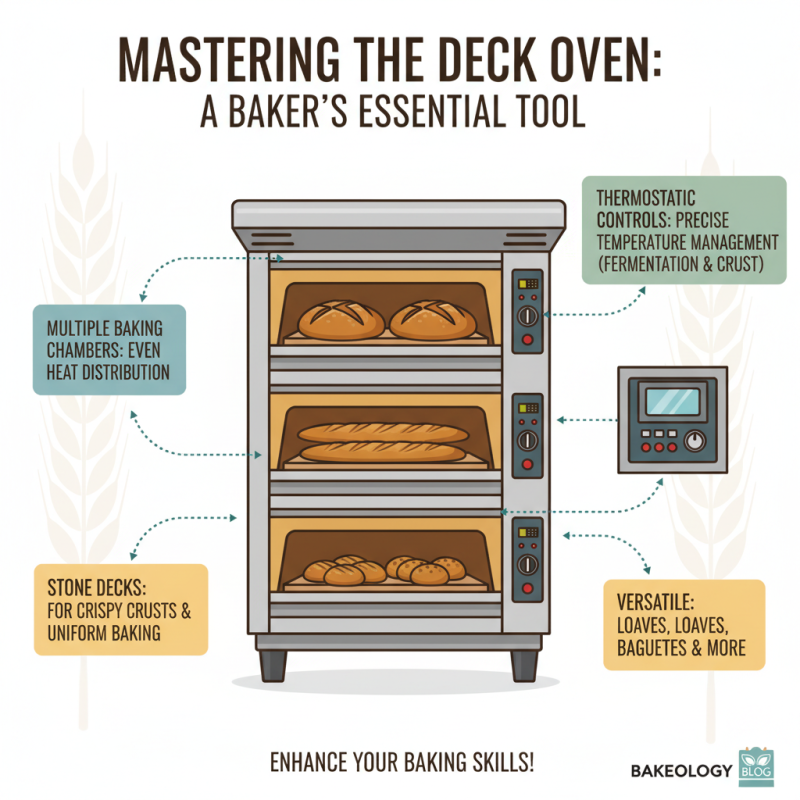
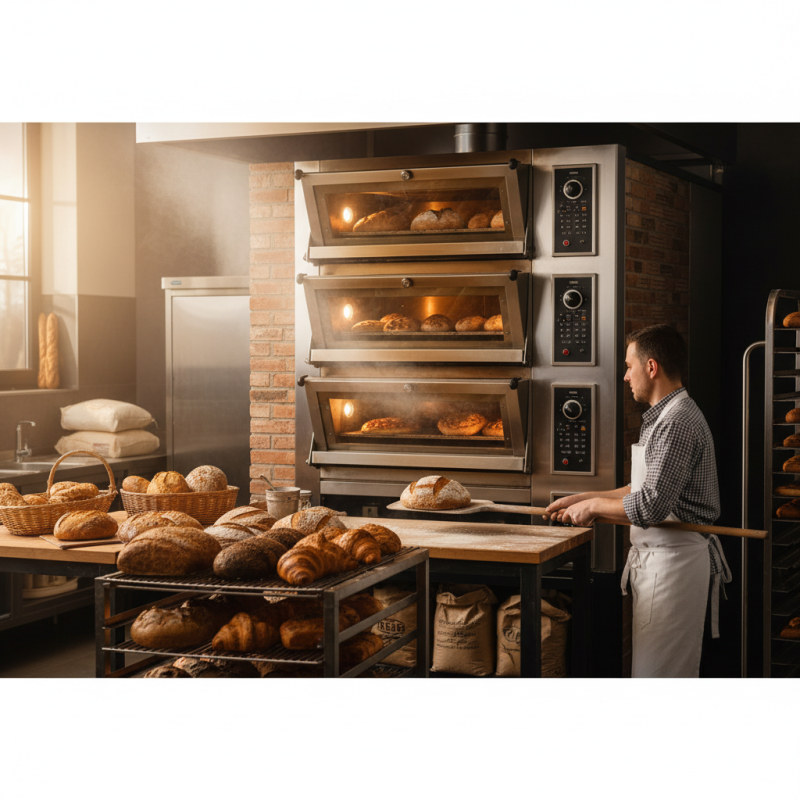
A bread deck oven is a versatile and essential tool for both novice and experienced bakers. Understanding its basic components and functions can significantly enhance your baking skills. Typically, a bread deck oven consists of multiple chambers where heat is evenly distributed, allowing for consistent baking results. The decks are designed to hold various types of bread, from loaves to baguettes, and the thermostatic controls help maintain the optimal temperatures required for fermentation and crust development.
For beginners, mastering the use of a bread deck oven starts with familiarizing yourself with its temperature settings and steam capabilities. Proper preheating is crucial, as it sets the foundation for the baking process. Incorporating steam during the initial stages of baking can help achieve a beautiful crust by promoting dough expansion. Additionally, understanding how to adjust the heat settings can allow for experimentation with different baking styles, ensuring that you can tailor your results to your liking. With practice and patience, working with a bread deck oven will elevate your baking, helping you create artisanal bread with professional quality at home.
Key Features of a Bread Deck Oven That Enhance Baking Quality
A bread deck oven is an essential tool for bakers seeking to enhance the quality of their baked goods. One of the key features of this type of oven is its ability to provide consistent, even heat distribution. Unlike traditional ovens, a bread deck oven has multiple decks that allow for simultaneous baking, ensuring that each batch achieves the perfect crust and crumb structure. This uniform heat not only helps in creating well-risen loaves but also contributes to the desired caramelization on the bread’s surface, enhancing flavor and texture.
Another significant advantage of a bread deck oven is its capacity to inject steam during the baking process. This feature is crucial for artisan-style breads, as steam creates a moist environment that allows dough to expand properly before the crust forms. The result is a beautifully crispy exterior while maintaining a soft, airy interior. Additionally, the ability to control humidity levels offers bakers the flexibility to experiment with various bread types and techniques, resulting in improved outcomes and a more refined skill set. With these enhanced features, utilizing a bread deck oven can tremendously benefit bakers looking to elevate their craft.
Top Tips for Using a Bread Deck Oven to Improve Your Baking Skills
This chart illustrates the importance of various features of a bread deck oven that contribute to enhanced baking quality. Each feature is rated on a scale of 1 to 10, with even heat distribution and temperature control being the most crucial elements for successful baking.
Essential Techniques for Even Baking in a Bread Deck Oven
To achieve even baking in a bread deck oven, it is essential to understand the importance of temperature regulation. Preheating the oven thoroughly is one of the first steps to ensure that the heat is evenly distributed throughout the baking chamber. A well-preheated oven allows for consistent baking and prevents hotspots that can lead to uneven crust formation. Maintaining the right temperature throughout the baking process is crucial, which can be monitored using an oven thermometer to ensure accuracy.
Utilizing steam is another vital technique for achieving optimal results in a bread deck oven. Introducing steam at the beginning of the baking process can create a humid environment that enhances the expansion of the dough while it bakes. This helps to develop a perfect crust and improve the overall texture of the bread. One method is to place a pan of water at the bottom of the oven or spray water directly into the oven just before closing the door. This technique not only contributes to crust development but also aids in achieving a shiny surface on the loaf.
Lastly, it is important to give attention to the arrangement of the dough within the oven. Avoid overcrowding the baking deck, as this can restrict airflow and lead to uneven baking. Leaving adequate space between each loaf allows hot air to circulate freely, ensuring that each bread receives uniform heat exposure. Monitoring the baking process and rotating the pans if necessary can also help in achieving an even bake, resulting in beautifully baked bread with a desirable texture and appearance.
Mastering Temperature Control for Optimal Bread Results
Mastering temperature control is essential for achieving optimal results when using a bread deck oven. According to the American Society of Baking, correct temperature settings can drastically affect the Maillard reaction, which is crucial for developing flavor and crust color. Research indicates that bread baked at a temperature range of 425°F to 475°F results in the best balance of crust and crumb texture.
To ensure your bread reaches its full potential, consider using a temperature probe to monitor the internal temperature. This allows bakers to accurately determine doneness, ensuring products are not undercooked or overbaked. Experimentation with preheating times can also make a significant difference; professionals recommend preheating your deck oven for at least 30 minutes before baking to achieve uniform heat distribution.
Another key tip is to utilize steam during the first few minutes of baking. Industry studies have shown that introducing steam helps expand the bread's oven spring, resulting in a lighter and airier crumb structure. Adding a tray of water to the oven or using a steam injection system can create the necessary environment for the perfect loaf. By mastering these temperature control techniques, bakers can refine their craft and produce bread with exceptional flavor and texture.
Top Tips for Using a Bread Deck Oven to Improve Your Baking Skills - Mastering Temperature Control for Optimal Bread Results
| Tip Number |
Tip |
Details |
Optimal Temperature (°C) |
| 1 |
Preheat the Oven |
Always preheat your oven for at least 30 minutes to ensure consistent temperature. |
220°C |
| 2 |
Use Steam |
Introduce steam in the initial baking phase for better crust formation. |
250°C |
| 3 |
Monitor Internal Temperature |
Use a probe thermometer to check the bread’s internal temperature for doneness. |
90-95°C |
| 4 |
Rotate Breads |
Rotate the loaves halfway through baking for even coloring. |
Variable |
| 5 |
Cool Properly |
Let bread cool on a rack to prevent sogginess and improve texture. |
N/A |
Cleaning and Maintenance Tips for Long-lasting Oven Performance
Keeping a bread deck oven in peak condition is essential for maximizing its performance and longevity. Regular cleaning should be a priority for any baking professional, as accumulated residue can affect heat distribution and ultimately the quality of baked goods. According to a report by the American Bakers Association, nearly 60% of bakers noted that oven maintenance directly influenced their product consistency. Therefore, it's crucial to develop a routine that includes daily cleaning of the oven's interior and exterior surfaces, using non-corrosive cleaning agents to prevent damage to heating elements.
In addition to regular cleaning, preventive maintenance is key to extending the life of the oven. The National Bakery Association emphasizes that routine checks—such as examining seals, door hinges, and temperature gauges—can prevent costly repairs and unexpected downtime. Scheduling these checks quarterly can save bakers up to 25% of repair costs and significantly enhance baking efficiency.
To maximize the benefits of a bread deck oven, bakers should also ensure that any thermal shields or steam systems are regularly checked and maintained. Effective maintenance practices not only improve operational efficiency but also lead to better product quality, reinforcing the baker’s reputation in an increasingly competitive market.