Top Restaurant Ovens in 2026 What Buyers Need to Know

As the culinary landscape evolves, so too does the technology behind restaurant ovens. In 2026, restaurant ovens are set to undergo significant advancements. A recent report from the National Restaurant Association reveals that nearly 70% of restaurant owners plan to invest in kitchen equipment upgrades in the coming year. This shift highlights the crucial role of efficient and versatile ovens in boosting kitchen productivity and enhancing food quality.

Industry expert Chef Michael Smith emphasizes the importance of selecting the right ovens: "The right restaurant ovens can make or break a kitchen's efficiency." His insights reflect the growing trend towards energy-efficient and multifunctional equipment. Today's restaurateurs face challenges such as rising energy costs and the demand for faster service. Addressing these need for performance and sustainability requires careful consideration and expert guidance.

However, the marketplace is crowded with options. Not all restaurant ovens will fit every establishment's needs. Factors such as size, cooking technology, and energy consumption must be examined closely. Many owners discover too late that an ill-suited oven undermines their operational flow. Understanding these nuances is essential as businesses strive for success in a competitive environment.
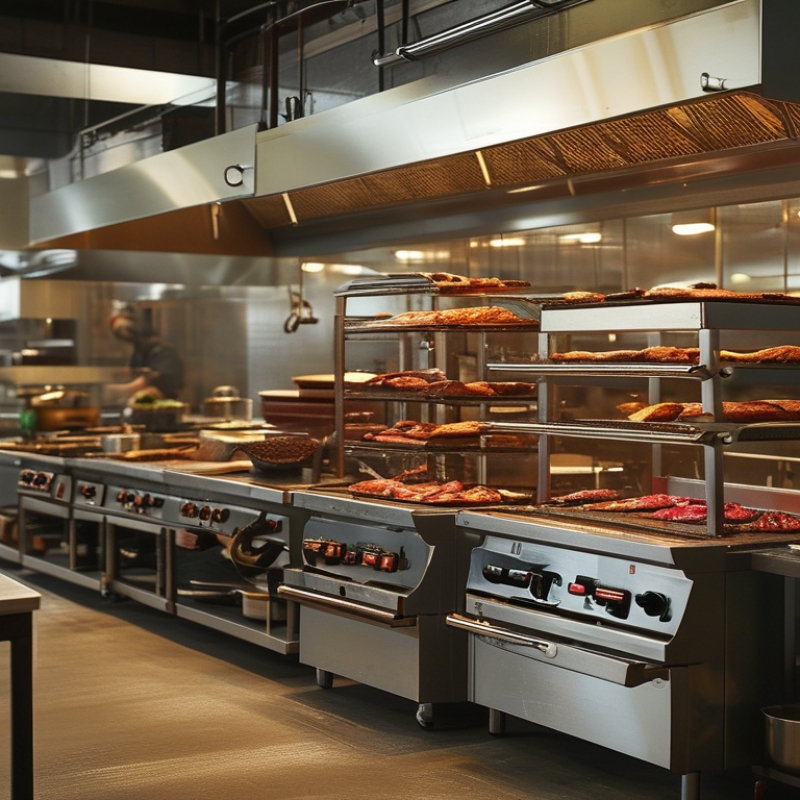
Top Restaurant Ovens in 2026 What Buyers Need to Know

Overview of the Restaurant Oven Market in 2026

The restaurant oven market in 2026 is seeing significant changes. As per recent industry reports, the global market is projected to reach $3 billion by the end of the year. This growth is influenced by rising consumer demand for restaurant-quality meals at home. Chefs are increasingly focusing on efficiency, energy savings, and versatility in ovens. Many chefs express a desire for ovens that can easily adapt to various cooking styles.

Ovens that combine convection and steam features are gaining popularity. They offer faster cooking times and better moisture retention. A study indicates that around 65% of restaurants aim to upgrade their equipment for improved performance. However, equipment choices often lead to confusion. Understanding the advantages of each oven type is crucial for informed purchasing decisions.

When selecting an oven, consider your kitchen space and menu requirements. It's essential to evaluate the energy consumption of different models. Efficient ovens may have a higher initial cost but save money over time. Balancing features and budget is vital. Choosing wisely now can impact future operations. Regular maintenance and training staff to use new technology effectively are often overlooked steps. They can help maximize the benefits of your new oven.

Top Restaurant Ovens Market Overview in 2026

Key Features to Consider When Buying Restaurant Ovens

When selecting a restaurant oven in 2026, buyers should consider several critical features. Energy efficiency is essential. According to the U.S. Department of Energy, ovens account for around 15% of a restaurant's energy costs. Choosing an energy-efficient model can cut these expenses significantly. Look for units that have high insulation values and advanced heating technologies to minimize energy loss.

Cooking capacity is another crucial factor. Research by the National Restaurant Association shows that kitchens with adequate oven space can improve efficiency by up to 30%. A model that suits the restaurant's cuisine and expected volume is vital. Understand the cooking methods your menu requires. Whether it involves baking, roasting, or steaming, different ovens cater to specific needs, and picking the right one can enhance meal quality.

Durability and ease of maintenance are often overlooked. Regular wear and tear can lead to costly repairs. Industry studies indicate that well-maintained ovens can last over a decade. Buyers should focus on materials that resist corrosion and construction that supports easy cleaning. This not only ensures performance longevity but also reflects on food safety standards in the establishment. Choosing the right oven is not just about initial costs but also long-term operational efficiency and reliability.

Comparative Analysis of Top Oven Brands in 2026

As the restaurant industry evolves, the demand for highly efficient ovens has surged. Recent market research shows that the global commercial oven market is projected to reach over $5 billion by 2026. Factors driving this trend include the push for energy efficiency and the need for multifunctionality in kitchen equipment. Many restaurant owners now seek ovens that not only bake but can also steam, roast, and even dehydrate food.

A comparative analysis reveals mixed results across leading oven brands. Some brands offer advanced features but may lag in energy efficiency. For instance, a report from the International Energy Agency highlights that energy-efficient models can reduce operational costs by up to 30%. However, this does not always correlate with higher upfront costs. Restaurant owners must weigh the long-term savings against initial investments. User reviews often point out potential maintenance issues in certain brands. Such insights can lead to difficult decisions when selecting the best oven for varying kitchen needs.

In 2026, the emphasis on smart ovens is also increasing. Many are integrating IoT technology, allowing real-time monitoring and control. This innovation promises enhanced consistency in cooking. However, these features may introduce complexities that some kitchen staff might find challenging. Understanding these dualities in performance and technology plays a crucial role in making informed choices. Restaurant owners need to align their purchasing decisions with operational capabilities and staff training.

Energy Efficiency and Sustainability in Restaurant Ovens

Energy efficiency and sustainability are crucial for restaurant ovens in upcoming years. As the food industry evolves, there’s a growing emphasis on eco-friendly equipment. Many chefs and restaurateurs are focusing on appliances that reduce energy consumption without sacrificing performance. This shift not only appeals to environmentally conscious consumers but also helps businesses save on operating costs.

Investing in energy-efficient ovens can significantly lower utility bills. Look for models with high-grade insulation to retain heat better. This can minimize energy loss and lead to lower carbon footprints. Also, consider ovens with adjustable heat settings. They allow for precision cooking while using only the necessary energy.

When shopping, it's essential to evaluate the long-term benefits versus upfront costs. Cheaper options may initially seem appealing but can lead to higher energy expenses over time. Don’t shy away from exploring newer technologies, such as induction cooking, which can offer even more efficiency. Remember, sustainability should also include sourcing local ingredients to reduce transportation emissions.

You might face challenges in aligning all these aspects. It’s often a balancing act between efficiency, cost, and functionality. Some equipment may not perform as expected, leading to wasted energy. Regular maintenance is key to keeping ovens running optimally. It might not always be a straightforward journey, but taking the time to assess your needs will pay off.

Future Trends in Restaurant Oven Technology and Design

As we look toward 2026, restaurant oven technology is evolving rapidly. Operators are increasingly focused on efficiency and sustainability. Smart ovens with built-in sensors are gaining traction. These devices can adjust cooking times and temperatures automatically based on the food's needs. This innovation is not just a trend; it's becoming a necessity for high-volume kitchens.

In addition, energy-efficient designs are a critical consideration. Many restaurants aim to reduce their carbon footprint. Ovens that utilize infrared heating or induction cooking are emerging. They provide faster cooking times while consuming less energy. However, these advanced systems can be complex. Staff training is vital to leverage their full potential effectively.

Moreover, the design of these ovens is changing. A sleek, modular design offers flexibility in kitchen layouts. This adaptability allows for creative use of space. Many kitchens, however, still struggle with integrating new technology. Balancing modern equipment with traditional cooking methods requires careful planning. As the industry grows, restaurants must keep adapting and reevaluating their equipment choices.