Top 10 Commercial Ovens for Every Professional Kitchen in 2023
In today's fast-paced culinary landscape, the choice of commercial ovens can significantly influence productivity and food quality in professional kitchens. According to the National Restaurant Association's 2022 report, over 60% of chefs indicated that investing in advanced cooking technologies, including commercial ovens, has been crucial to their success in meeting customer demand. The right oven not only enhances cooking efficiency but also ensures consistency and flavor in dishes, elements that are paramount in maintaining customer satisfaction and loyalty.
As we navigate through 2023, the commercial kitchen sector continues to evolve, with innovations in oven technology that cater to diverse cooking needs—from baking and roasting to broiling and steaming. The global commercial ovens market is projected to grow at a compound annual growth rate (CAGR) of 4.2%, reaching an estimated worth of $7.5 billion by 2026, emphasizing the importance of selecting the best equipment to keep pace with industry trends. This article explores the top 10 commercial ovens that are essential for every professional kitchen, offering insights into features that enhance functionality and performance, ensuring chefs can deliver exceptional culinary experiences while maximizing their kitchen's potential.
The Evolution of Commercial Ovens: Trends Leading to 2025
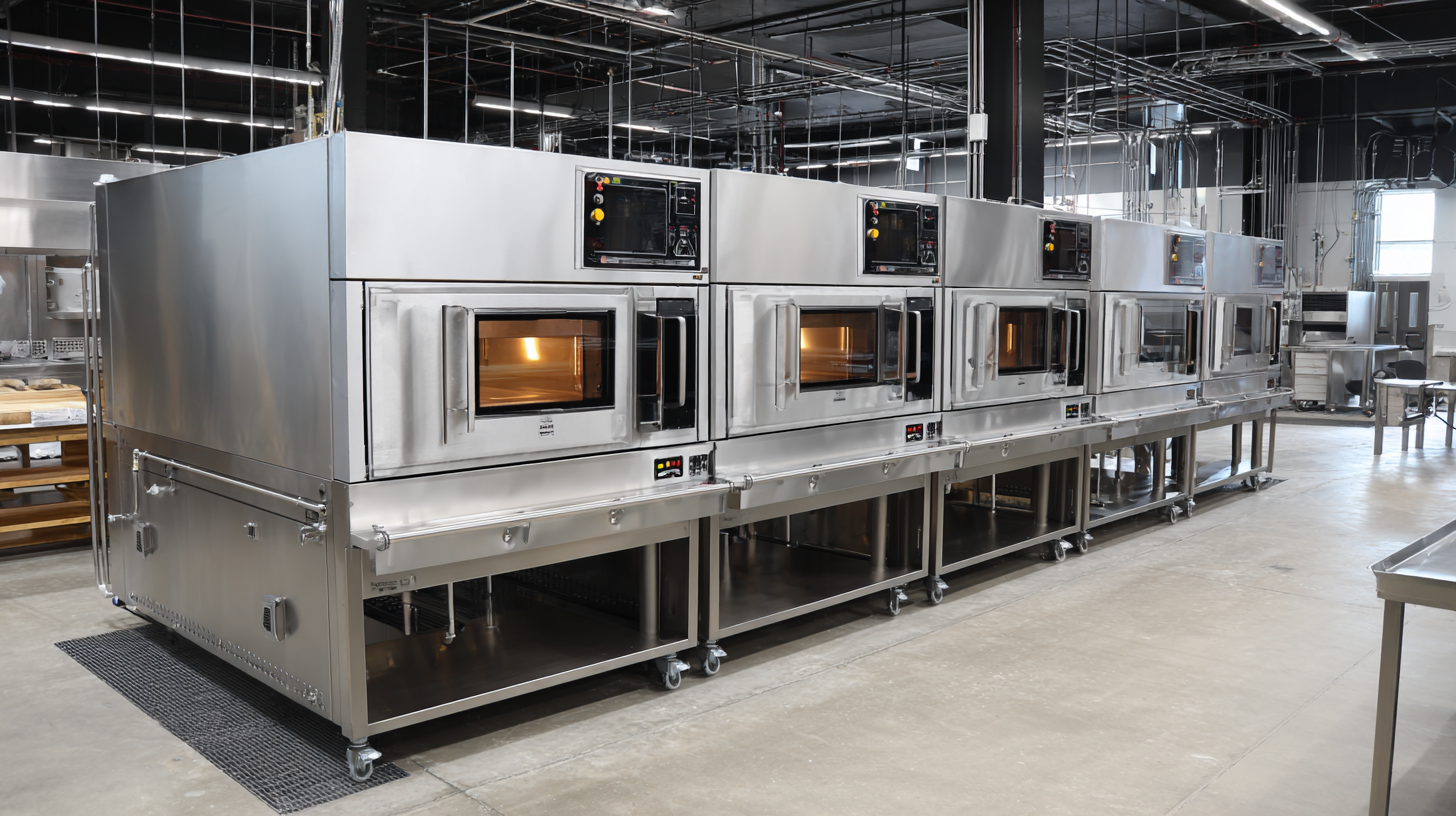
The evolution of commercial ovens is riding the wave of technological advancement, driven by trends that cater to both efficiency and sustainability. In recent years, the global commercial oven market has seen a significant shift, with a projected growth rate of 4.5% annually, reaching an estimated $4.35 billion by 2025, according to a report by Grand View Research. This growth is largely influenced by the burgeoning demand for energy-efficient appliances, as restaurants and commercial kitchens aim to reduce operational costs while minimizing their environmental footprint.
Moreover, the integration of smart technology into kitchen equipment is reshaping the landscape of commercial ovens. Many manufacturers are now incorporating IoT capabilities, allowing operators to monitor and control their ovens remotely. A survey conducted by the Foodservice Equipment Reports indicated that 67% of restaurant operators consider smart equipment as a viable avenue for improving kitchen efficiency. As features like real-time data analytics and automated cooking processes become standard, commercial kitchens are poised to enhance not only productivity but also the quality of food produced. This modernization reflects the industry's shift towards greater transparency and accountability in food preparation, responding to consumers' increasing expectations for quality and sustainability.
Essential Features to Look for in 2025's Best Commercial Ovens
When selecting the best commercial ovens for professional kitchens in 2025, several essential features should be prioritized to ensure efficiency, versatility, and excellent cooking results. One of the most crucial attributes is temperature accuracy and consistency. Ovens that maintain precise temperatures help chefs achieve desired cooking results and can significantly reduce the risk of undercooking or burning food. Additionally, advanced models come equipped with digital controls that allow for easy temperature adjustments, providing chefs with the flexibility they need during busy service hours.
Another important feature is energy efficiency. In an era where cost-saving measures are vital, investing in ovens that offer energy-efficient technology can lead to significant reductions in utility costs over time. Look for ovens with features like insulation and adjustable energy settings that contribute to lower energy consumption without compromising performance. Moreover, consider the size and capacity of the oven to ensure it meets the demands of your kitchen. Selecting ovens that can accommodate various dish sizes and types allows for seamless meal preparation, enabling kitchens to operate smoothly even during peak hours.
Top 10 Commercial Ovens Performance Metrics for 2023
Top 5 Innovative Brands Dominating the Commercial Oven Market in 2025
As we look ahead to 2025, several pioneering brands are revolutionizing the commercial oven market, setting new standards for efficiency and performance. These innovators are not just enhancing traditional oven designs but are introducing smart technology, energy-efficient models, and versatile appliances that cater to the diverse needs of modern kitchens. Leading the pack are companies that blend cutting-edge technology with user-friendly features, ensuring that even the busiest chefs can operate them effortlessly.
When investing in commercial ovens, consider features like programmable settings, self-cleaning options, and energy consumption ratings. These factors not only improve workflow but can also significantly impact your operational costs. Additionally, explore brands that offer robust customer support and warranty options. A brand's reputation for reliability can save you time and money in the long run.
Furthermore, take advantage of emerging technologies like connectivity and automation. Ovens that can be controlled via smartphone apps or integrated with kitchen management systems will streamline your cooking processes. Embracing these innovations can lead to enhanced productivity and consistently high-quality dishes, ensuring your kitchen stays competitive in a rapidly evolving culinary landscape.
Top 10 Commercial Ovens for Every Professional Kitchen in 2023
| Rank |
Oven Type |
Features |
Capacity (cu ft) |
Price ($) |
| 1 |
Convection Oven |
Even heat distribution, multiple rack capacity |
7.5 |
2,500 |
| 2 |
Combination Oven |
Steam and convection options |
6.5 |
3,200 |
| 3 |
Deck Oven |
High-temperature baking, multiple decks |
10 |
4,500 |
| 4 |
Pizza Oven |
Wood or gas-fired, high heat retention |
8 |
3,800 |
| 5 |
Rotisserie Oven |
Slow cooking, self-basting function |
6 |
2,000 |
| 6 |
Electric Oven |
Energy efficient, programmable settings |
5 |
1,800 |
| 7 |
Charbroiler Oven |
Grilling capabilities, high heat |
7 |
3,000 |
| 8 |
Broiler Oven |
High-temperature direct heat |
4 |
1,500 |
| 9 |
Farmhouse Oven |
Rustic design, wood-fired |
9 |
4,200 |
| 10 |
Drying Oven |
For dehydrating food, low temperature |
5.5 |
1,200 |
Top 5 Innovative Brands Dominating the Commercial Oven Market in 2025
| Rank |
Brand Name |
Innovative Feature |
Market Share (%) |
Customer Rating (out of 5) |
| 1 |
Brand A |
Smart temperature control system |
25 |
4.8 |
| 2 |
Brand B |
Energy-efficient design |
20 |
4.7 |
| 3 |
Brand C |
IoT connectivity for remote monitoring |
18 |
4.6 |
| 4 |
Brand D |
Optimized for fast cooking |
15 |
4.5 |
| 5 |
Brand E |
Self-cleaning technology |
12 |
4.4 |
Comparative Analysis of 2025's Leading Commercial Oven Models
As the culinary landscape evolves, so does the technology behind commercial ovens, making it crucial for professional kitchens to stay updated. According to a 2022 report by the Commercial Kitchen Equipment Association, over 70% of chefs consider advanced cooking equipment essential for enhancing their culinary creations. In 2025, several models are expected to stand out in performance, efficiency, and versatility. Noteworthy among them are convection ovens, which offer consistent heat distribution, leading to a 30% reduction in cooking times compared to conventional ovens. This operational efficiency not only saves time but also enhances the quality of prepared dishes.
In addition to convection ovens, combi ovens are projected to gain traction in 2025. Industry research by the Food Service Equipment & Supplies magazine indicates that combi ovens can reduce energy consumption by up to 40%, thanks to their multifunctional capabilities, which combine steaming, baking, and roasting in a single unit. This makes them an invaluable asset for kitchens aiming to optimize space and energy while maintaining high cooking standards. The shift towards more sustainable options is also reflected in the increasing adoption of electric ovens, driven by their lower carbon footprint compared to gas counterparts. As professionals gear up for 2025, understanding these trends and technologies will be pivotal in shaping operational efficiency and culinary excellence.
Sustainability and Efficiency: The Future of Commercial Ovens in Professional Kitchens
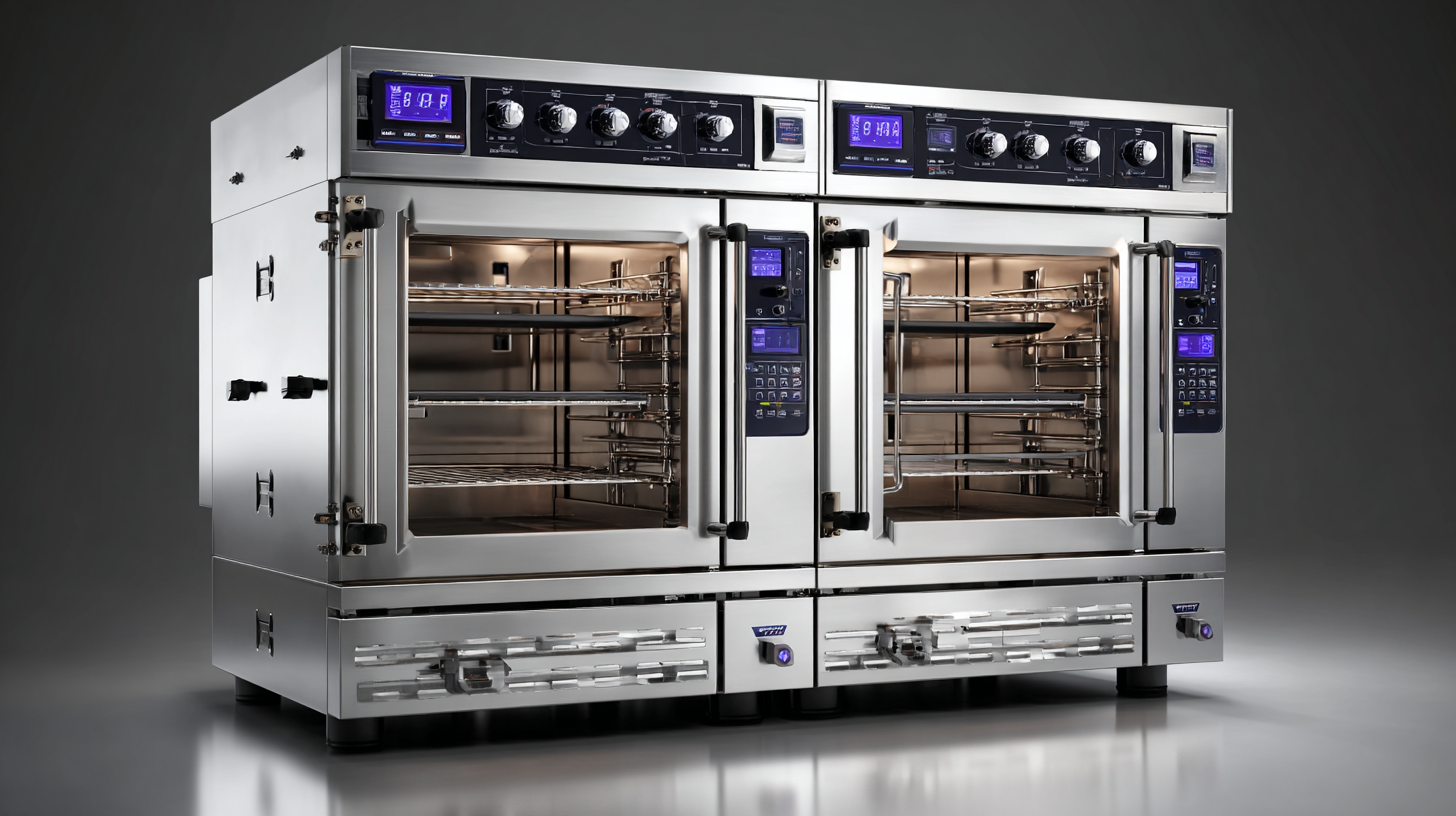
The role of sustainability and efficiency in commercial ovens continues to gain prominence in 2023. As professional kitchens strive to minimize their environmental impact, the adoption of energy-efficient ovens is becoming essential. According to the U.S. Department of Energy, energy-efficient kitchen equipment can reduce energy costs by up to 30%, which is significant for high-volume operations. Furthermore, many manufacturers are now focusing on creating ovens that utilize renewable energy sources, such as solar thermal technology, enhancing both ecological footprint and operational costs.

Tips for choosing a sustainable commercial oven include looking for Energy Star certifications, which indicate superior energy performance. Consider models that offer multi-functional capabilities, allowing chefs to use one appliance for various cooking methods, thus saving both energy and space. Additionally, investing in ovens with advanced technology, like smart controls, can optimize cooking processes to reduce energy waste while increasing consistency in food quality.
As the food service industry moves toward a more sustainable future, integrating efficient commercial ovens becomes a necessity rather than a choice. Emphasizing these efficient technologies not only aligns with environmental standards but also caters to the growing consumer demand for sustainable practices in the culinary realm.