Top 10 Best Commercial Bakery Equipment You Need for Your Business?
In the competitive landscape of the food industry, investing in the right commercial bakery equipment is crucial for success. According to a report by IBISWorld, the bakery equipment market is projected to grow at a rate of 4.1% annually. This growth highlights the increasing demand for efficient and reliable equipment in commercial bakeries. In 2021 alone, U.S. bakeries generated around $43 billion in revenue, showcasing the potential profitability of this sector.
Choosing the right equipment can impact quality and production efficiency. Factors such as energy consumption, maintenance costs, and production volume must all be considered. For instance, high-capacity ovens can significantly reduce baking time, but they require substantial investment. This decision-making process can be overwhelming, often leading business owners to prioritize cost over quality, which might result in higher long-term expenses.
Furthermore, not all equipment fulfills every bakery need equally. It is essential to reflect on your specific requirements and future growth plans. Balancing functionality and reliability with budget constraints can make this choice challenging. Thus, understanding the nuances of commercial bakery equipment is key to making informed investments that support your business objectives while avoiding common pitfalls.
Essential Factors to Consider When Choosing Bakery Equipment
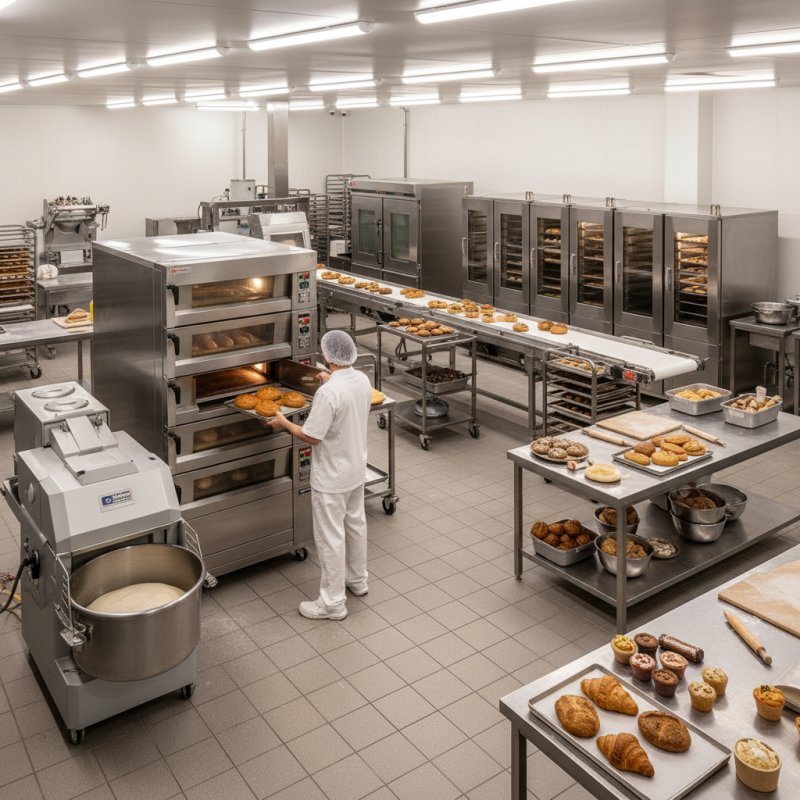
Choosing the right bakery equipment is crucial for any commercial bakery. One essential factor is the size of your space. Not all equipment fits neatly in every kitchen. Measure your area carefully. Ensure that there's enough room for movement and operation.
Another critical aspect is energy efficiency. Look for machines that consume less power while maintaining performance. This will help reduce operational costs over time. While investing in high-quality equipment is important, budget constraints can be a reality. Balance between quality and cost. Sometimes, cheaper options may require frequent repairs. They can end up being more expensive in the long run.
Additionally, think about the type of products you plan to offer. Different items require specific machines. For instance, if your focus is on pastries, a good mixer and an oven are indispensable. It’s easy to overlook these details, but they can significantly impact production efficiency. Don't rush this decision. Reflection and careful consideration are vital in selecting bakery equipment.
Must-Have Commercial Ovens for Professional Bakeries
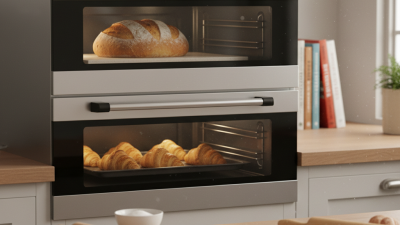
When setting up a professional bakery, the oven is the heart of your operation. Choosing the right commercial ovens is crucial. There are various types to consider, each serving unique needs. Convection ovens are popular for even baking. They circulate hot air, ensuring all your pastries rise perfectly. This feature helps maintain consistent temperatures, which is vital for quality.
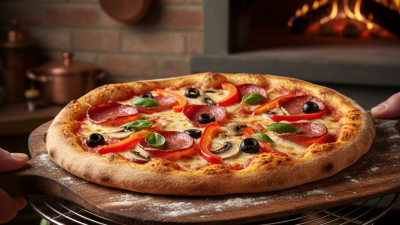
Deck ovens are another excellent option. They provide high heat from below, ideal for artisan breads and pizzas. The stone decks absorb moisture and heat, creating that ideal crust. However, they can be quite bulky and need ample space. Managing heat distribution in such ovens requires practice.
Another emerging trend is steam-injection ovens. They introduce steam during baking, enhancing texture and shine. This can be challenging to control, leading to variable results. Many bakers find mastering these ovens rewarding, but it demands attention and skill. Investing in ovens is essential, yet it’s equally important to understand their quirks. Each oven type presents its own set of challenges, requiring bakers to refine their techniques continually.
Highly Efficient Mixers for Consistent Dough Preparation
When it comes to baking, achieving the right dough consistency is crucial. Highly efficient mixers play an essential role in this process. These machines are designed to handle various dough types, from soft to firm. Their power can knead the dough effectively, ensuring its elasticity and texture are just right. An efficient mixer saves time and effort, allowing bakers to focus on other tasks.
However, not all mixers deliver the same results. It’s important to consider the mixer’s size and capacity based on production needs. Some may struggle with larger batches, risking inconsistent dough. Regular maintenance is also key, as neglect can lead to performance issues. Observing the mixer’s operations can provide insights into its reliability.
Incorporating advanced features such as programmable settings can enhance consistency. Bakers should reflect on their needs and adapt as their business grows. Outdated mixers may limit potential, creating a roadblock for expansion and creativity. Investing in the right mixer is not just about efficiency but also about quality. Quality dough is the foundation of all bakery products, making this choice critical for success.
Key Refrigeration Units to Preserve Ingredients
In any commercial bakery, maintaining the freshness of ingredients is crucial. Key refrigeration units play a vital role in this process. These units can help preserve the quality and flavor of perishable items such as fruits, dairy, and confectionery supplies. Proper refrigeration prevents spoilage and enhances productivity, ensuring that bakers always have fresh ingredients on hand.
However, selecting the right refrigeration system can be challenging. Cheaper models may fail to maintain consistent temperatures, leading to spoiled ingredients. Investing in high-quality units is essential, but it requires careful consideration. Assess the size you need and the energy efficiency of the units. A larger unit may seem appealing, but it can consume excess energy and space, creating long-term costs.
When evaluating refrigeration options, think about layout as well. Some designs may not fit well in your workspace or provide easy access. It’s also worth noting that regular maintenance is necessary to ensure efficiency. Neglecting this aspect may result in unexpected breakdowns.
There’s always room for improvement in maintaining the right conditions for ingredients. Taking the time to choose wisely can significantly impact your bakery’s success.