Why Should You Invest in Commercial Ovens for Your Business?
Investing in commercial ovens can transform your business. These ovens are essential for various food establishments. They offer efficiency, consistency, and quality, which can greatly enhance your service.
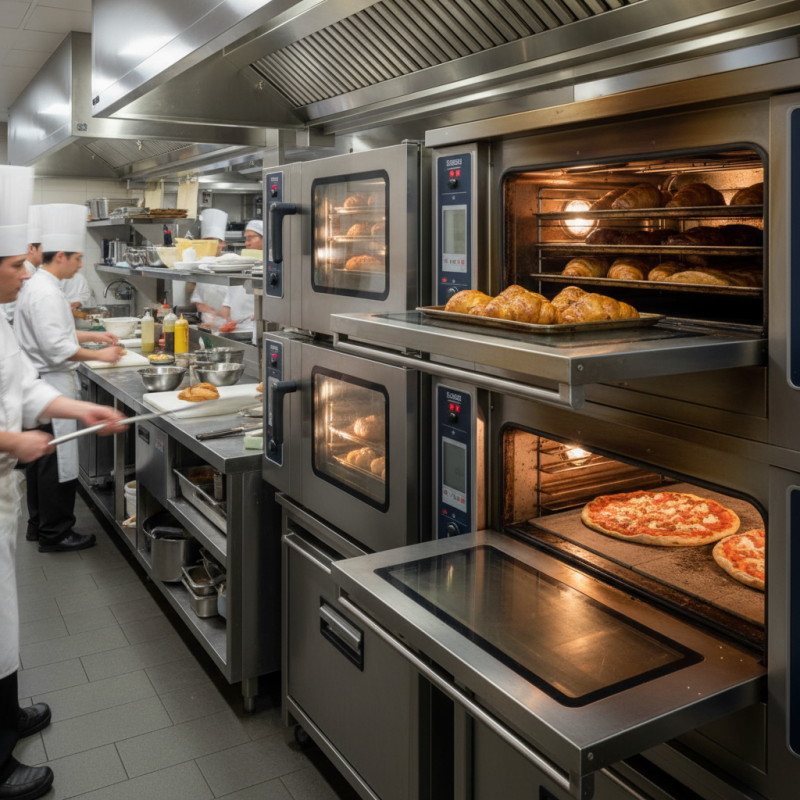
Imagine busy days in your restaurant or bakery. Having the right commercial ovens can make a significant difference. They can handle high volumes and different cooking methods. This flexibility allows you to expand your menu and attract more customers.
However, selecting the best commercial ovens requires thoughtful consideration. Not every oven is perfect for every business. You should assess your needs carefully. Balancing cost and performance is crucial. It's easy to overlook the long-term benefits of investing in quality equipment.
Benefits of Investing in Commercial Ovens for Businesses
Investing in commercial ovens can significantly elevate a business's efficiency and output. According to industry reports, the demand for commercial kitchen equipment is expected to grow at a rate of 6% annually. This surge highlights the importance of reliable cooking appliances in a competitive market. Commercial ovens are designed for heavy use, offering durability that standard ovens lack. They can handle large volumes, providing consistent results for high-quality dishes.
Tip: Consider the layout of your kitchen before purchasing an oven. Choose one that fits your space and meets your cooking needs.
In addition to efficiency, commercial ovens enhance food safety. Many models include features like automatic shut-off and precise temperature controls, reducing the risk of undercooking. A report by the Food Safety Institute emphasizes that using professional-grade equipment can lower the chances of foodborne illnesses. Investing in technology that ensures safety can save a business from potential legal issues.
Tip: Regular maintenance is crucial. A well-maintained oven not only performs better but also extends its lifespan.
Choosing the right oven involves evaluating specific business needs. It’s not only about high power; it’s about versatility. For instance, convection ovens offer even cooking and are energy-efficient. However, some businesses might find them complicated. Assess what fits your operation best. Reflection can lead to more effective decisions, ensuring your investment meets future demands.
Benefits of Investing in Commercial Ovens for Businesses
Investing in commercial ovens provides numerous benefits, enhancing efficiency, food quality, and overall performance in your business operations. The chart illustrates the importance of various advantages including increased efficiency, improved food quality, greater capacity, cost savings, and enhanced safety on a scale from 1 to 10.
Types of Commercial Ovens: Which One Suits Your Needs?
Choosing the right commercial oven is crucial for your business. Different types of ovens serve various cooking needs. Understanding these differences can significantly affect your operations.
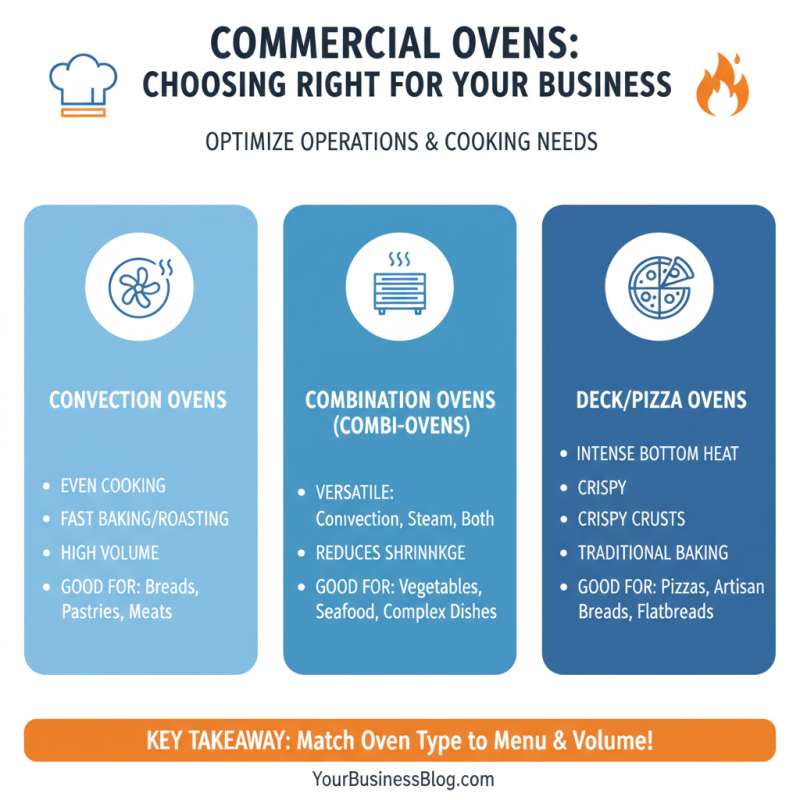
Convection ovens circulate hot air. This leads to even cooking. They are ideal for bakeries and restaurants that need to bake quickly and evenly. According to a report by the Food Service Equipment Group, nearly 45% of commercial kitchens prefer convection ovens for their versatility. However, they may not be the best choice for all cuisines.
Deck ovens, on the other hand, offer high-quality baking for pizzas and artisan breads. They provide a steady heat source from below. Interestingly, the demand for deck ovens has increased by 30% in the last five years, driven by the rise in artisanal dining experiences. However, they can be less efficient for high-volume operations. It’s essential to assess your menu and cooking style carefully before deciding. A mismatch might lead to wasted energy and slowed service.
Cost Considerations: Analyzing the ROI of Commercial Ovens
Investing in commercial ovens can significantly enhance your business's efficiency. When analyzing the
ROI, consider both immediate costs and long-term savings. High-quality ovens can
reduce cooking times and energy consumption. This leads to higher productivity and lower utility bills over time. If your kitchen operates at peak
efficiency, you may even experience increased customer satisfaction. Satisfied customers often return and recommend your business to others.
However, the initial investment can be daunting. It’s essential to assess the different types of ovens available.
Some options may offer advanced features that could meet your specific needs. Yet, these features might not always justify the price.
A thorough evaluation of your cooking volume and menu can guide your decision. Consider how often you will use the oven and for what types of dishes.
Careful thought here can save you from regrettable choices later.
Be realistic about your expectations and your budget. Sometimes, a mid-range oven could serve you better than the
high-end models. Analyze your kitchen layout and the flow of operations. Can your staff handle the new equipment efficiently? These reflections can influence your overall success.
Investing in the right commercial oven is about balance, not just cost.
Impact of Commercial Ovens on Food Quality and Consistency
Investing in commercial ovens can greatly impact food quality and consistency in your business. These ovens are designed for high performance. They can heat food evenly, ensuring that every dish meets your standards. For restaurants, this means a reliable and delicious menu. Customers notice when food is cooked uniformly.
Consistency is key in the food industry. A commercial oven helps maintain cooking times and temperatures. This reduces the chances of undercooked or overcooked food. However, not all ovens are created equal. Some may require adjustments to achieve the perfect results. Regular maintenance is essential. It’s a task many overlook but is vital for optimal performance.
Beyond just heating food, these ovens influence flavors. The right oven can enhance the taste of baked goods and roasted items. Yet, not understanding the oven's capabilities can lead to disappointment. Experimentation is part of the process. It may take time to master different recipes. There’s always room for improvement and growth in your culinary skills.
Maintenance and Longevity: Maximizing Your Investment in Ovens
Investing in commercial ovens can significantly enhance your business's efficiency and food quality. Yet, maintaining these ovens is crucial for maximizing their longevity. Research from the Food Service Equipment Journal shows that proper maintenance can extend the life of an oven by up to 30%. Regular cleaning and timely repairs can prevent costly breakdowns.
Tips for maintaining ovens include performing daily cleanings. Wipe down surfaces to avoid grease buildup. Schedule routine inspections to check for any wear and tear. Even small issues can lead to bigger problems if ignored. According to industry reports, neglecting maintenance might lead to downtime, which can hurt profits.
Overworking an oven can also impact its lifespan. Ensure to calibrate the temperature regularly. A temperature discrepancy can lead to uneven cooking. This not only affects food quality but also increases energy costs. It's essential to evaluate appliance performance frequently. Small adjustments at the right time can yield better results in the long run.