2026 How to Choose the Best Oven for Pizza Baking?
Choosing the perfect oven for pizza can transform your cooking experience. Renowned pizza chef Tony Gemignani once said, "The right oven makes all the difference." This statement highlights the critical role of an oven in achieving that perfect crust and flavor.
When selecting an oven for pizza, consider your cooking style. Traditional wood-fired ovens provide an authentic taste, while gas or electric options offer convenience and speed. However, not all ovens meet pizza-specific needs. Features like temperature range and stone baking surfaces can greatly impact the final product.
Investing in an oven for pizza isn’t just about brand names. Many aspiring pizzaiolos often overlook essential qualities, which can lead to disappointment. It's vital to choose an oven that resonates with your pizza vision. Ultimately, the right oven should blend functionality with your personal cooking flair, ensuring every pie is a masterpiece.
Understanding Different Types of Ovens for Pizza Baking
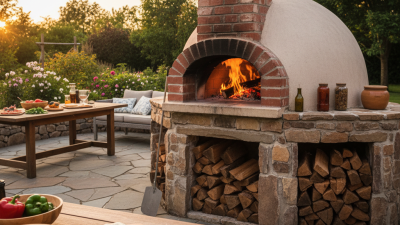
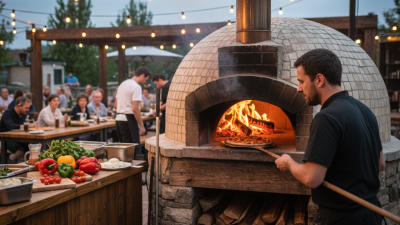
When choosing an oven for pizza baking, understanding the different types is essential. Traditional wood-fired ovens bring a unique flavor. They typically reach high temperatures, creating a crispy crust. However, they require regular maintenance and experience to master.
Electric ovens are versatile and user-friendly. They offer consistent temperatures and are perfect for home bakers. Some models come with stone baking elements, mimicking a wood-fired experience. Yet, they may not achieve the same high temperatures, affecting the pizza's texture.
Gas ovens combine convenience and high heat. They heat up quickly and provide excellent temperature control. However, they usually require a gas line installation, which can be a limitation. Each type has its pros and cons. Reflecting on your needs is vital. Consider the space you have and the style of pizza you love.
Key Features to Consider When Choosing a Pizza Oven
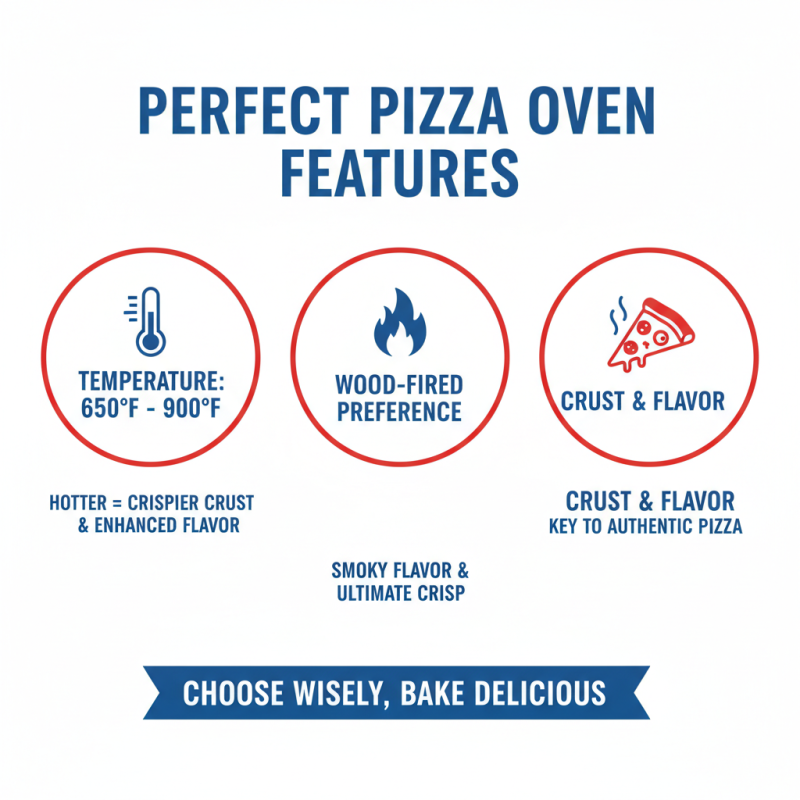
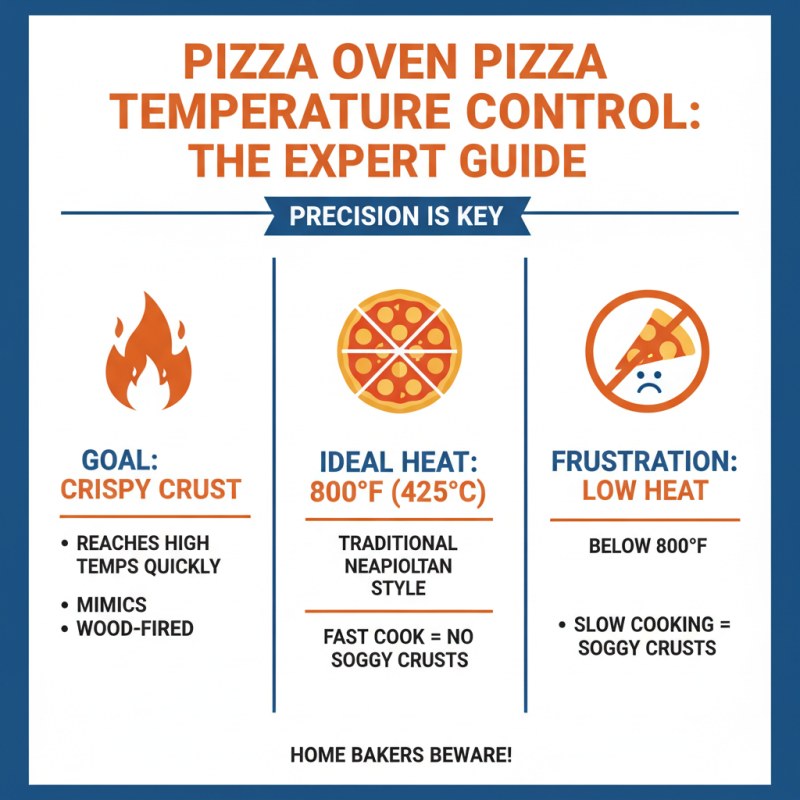
When choosing the best oven for pizza baking, several key features come into play. Temperature control is essential. A pizza oven must reach high temperatures, ideally between 650°F to 900°F. Research shows that a hotter oven improves crust texture and enhances flavor. Most serious pizza enthusiasts prefer wood-fired options, which provide that perfect crispy crust and smoky flavor.
Size and design are also critical factors. If you're baking for a larger family, a larger oven may be necessary. A compact oven can be great for small spaces, but could limit the types of pizzas you can bake. According to industry reports, a 12-inch pizza requires a minimum baking surface of 16 inches. This allows for proper heat circulation and even cooking.
Ease of use often affects the decision-making process. Some users desire a straightforward setup, while others appreciate advanced features like digital controls. However, not all complex designs yield better pizzas. Simplicity may be key for beginners. Balancing these elements is vital for anyone looking to perfect their pizza baking experience.
Assessing Size and Space Requirements for Your Pizza Oven
When selecting the ideal oven for pizza baking, size and space requirements are critical factors. An average pizza oven takes up around 20 to 30 square feet of space. This must be factored into your kitchen layout. A cramped space could lead to frustration. It's essential to measure the area where the oven will be placed. Consider not only the footprint but also the height. Many designs require additional clearance for ventilation.
Bake your pizza at 500°F to 900°F. Most residential kitchens can handle this heat, but you need proper clearance from flammable materials. Many reports suggest a minimum of 36 inches of space around the oven. This ensures safety and efficiency. A smaller oven might suit those with limited space, but it also limits your baking capacity. You may find yourself baking multiple batches for larger gatherings.
Moreover, consider the type of fuel. Electric models need a dedicated power outlet. Wood-fired ovens may require outdoor space. The choice of oven affects cooking time and flavor. Be mindful; a misjudgment in size or type can hinder your pizza-making dreams. Measuring twice can prevent many regrets down the line.
Cost Considerations: Budgeting for Your Ideal Pizza Oven
When budgeting for a pizza oven, several factors come into play. Prices vary widely based on the type and features. A simple countertop oven might cost a few hundred dollars. In contrast, a professional-grade wood-fired oven could run into the thousands. Consider how often you plan to use it. This helps justify the cost.
Think about the space you have available. A large, built-in model may require more investment and renovation. Conversely, a portable oven could be a cost-effective choice. Research the materials used. Stainless steel may last longer but can increase the price. A quality oven will provide better heat retention and cooking results.
Contemplate additional expenses too. Accessories like pizza peels or thermometers might add up. Don't forget about installation requirements. Your budget should reflect these considerations. It’s essential to weigh your options carefully. Bringing home the perfect oven shouldn’t lead to financial strain. Balancing quality and cost can take time. Always reflect on your choices before making a final decision.