2026 How to Choose the Best Commercial Ovens for Your Business Needs?
Choosing the right commercial ovens can dramatically impact your business. These ovens are essential for efficiency and food quality. Whether you own a restaurant, bakery, or catering service, the right equipment is crucial.
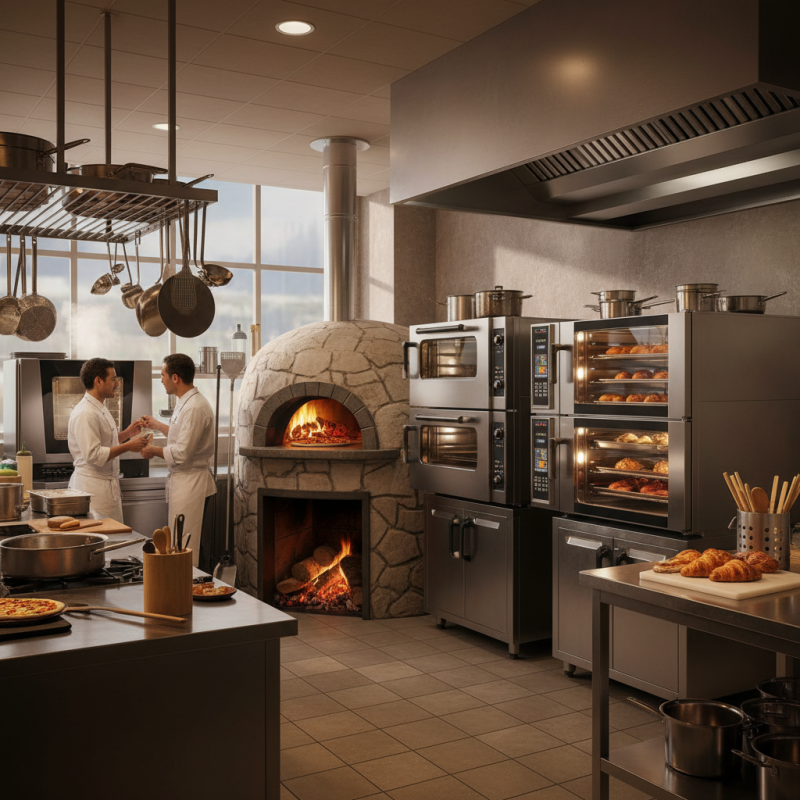
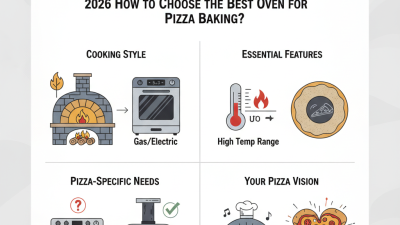
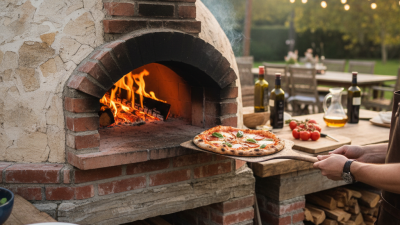
Different businesses have unique needs. Consider your menu's specific requirements before making decisions. For instance, a pizzeria requires a wood-fired oven, while a bakery may need a convection oven. Commercial ovens come in various types and sizes. It can be overwhelming to choose.
Quality matters. Investing in durable ovens ensures consistency and reliability. A poorly chosen oven can lead to unexpected downtime. Reflect on your business's growth potential, too. An oven that suits today's needs may not work in the future. Think long-term and seek versatility in your selection.
Understanding Your Business Requirements for Commercial Ovens
When considering commercial ovens, understanding your business needs is essential. Each kitchen has its unique requirements. A bakery needs different features than a restaurant.
Know your cooking methods first. Will you be baking, roasting, or broiling? This will guide your decision.
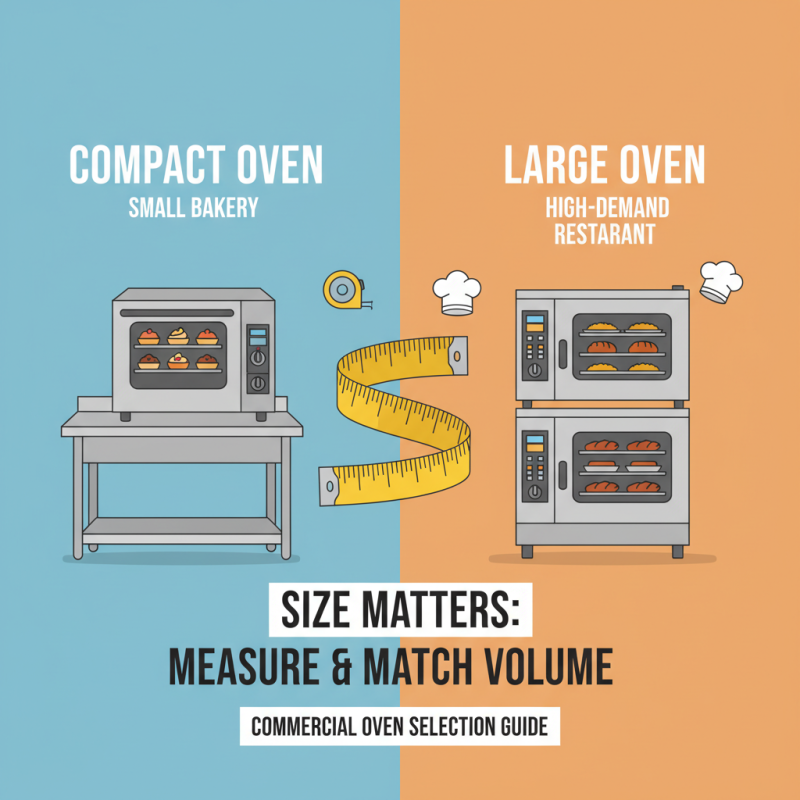
Next, think about your volume needs. How many meals will you prepare daily? A high-demand kitchen may require larger capacity ovens. Versatile options can handle multiple cooking styles.
Keep in mind the layout of your kitchen. Space can be a limitation. You may face challenges fitting a large oven into a compact area.
Finally, think about efficiency. Energy costs can add up. Opt for ovens that offer energy-saving features. They might have a higher upfront cost, but the long-term savings are worth it.
Maintenance is another factor. Regular upkeep can prevent unexpected downtime. Identify the maintenance requirements before making a choice.
Balancing these elements can be tricky. Reflect on your priorities and make informed decisions.
Different Types of Commercial Ovens and Their Functions
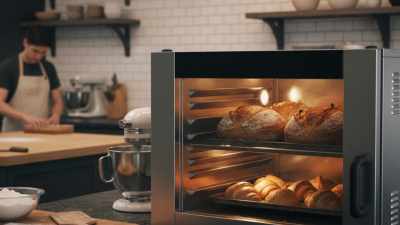
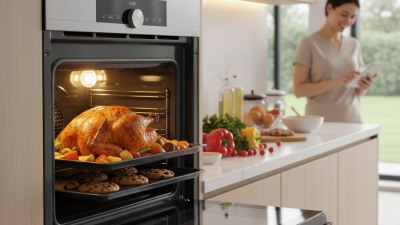
When selecting a commercial oven, understanding the different types is crucial. Convection ovens are versatile and cook food evenly using hot air circulation. These are great for baking cookies or roasting meats. They can save time and energy, making them popular in busy kitchens.
Deck ovens, on the other hand, shine in baking bread and pizza. The stone surface evenly distributes heat, creating a crisp crust. However, they require careful temperature management. Some chefs may struggle with consistency unless they master the technique.
A combi oven combines steam and convection cooking. This flexibility allows for various cooking methods. However, many may overlook the complexity involved in maintaining steam levels. It’s important to consider the specific needs of your kitchen when choosing your oven. Understanding their strengths and weaknesses can greatly affect your cooking results.
2026 How to Choose the Best Commercial Ovens for Your Business Needs? - Different Types of Commercial Ovens and Their Functions
| Oven Type |
Function |
Best For |
Key Features |
| Convection Oven |
Circulates hot air for even cooking |
Bakeries, Restaurants |
Energy-efficient, Versatile |
| Deck Oven |
Bakes directly on stone decks |
Pizzerias, Bakeries |
High heat retention, Ideal for bread |
| Combi Oven |
Combines steam and convection |
Catering, Fine Dining |
Multi-functional, Space-saving |
| Pizza Oven |
Specialized for baking pizzas |
Pizzerias, Fast Casual |
High temperature, Quick cooking |
| Holding Oven |
Keeps food warm without cooking |
Buffets, Banquets |
Uniform heat, Easy transport |
| Rotisserie Oven |
Rotates food for even cooking |
Delis, Restaurants |
Flavorful results, Attractive display |
Budgeting for Your Commercial Oven Purchase: Costs and Financing Options
When budgeting for commercial ovens, consider several factors. The initial purchase price is a significant expense. According to the National Restaurant Association, the average cost of a commercial oven ranges from $2,000 to $10,000. This can greatly impact your financial planning.
Financing options vary widely. Many businesses opt for leases, which can reduce initial costs. Leasing allows for flexibility, enabling you to adjust equipment as needs change. However, some reports suggest that leasing can add up over time, leading to higher overall costs.
It’s essential to assess long-term value. Choosing a lower-priced oven may lead to more repairs and faster replacement. A higher investment may offer greater durability and efficiency. Reflecting on your business model can guide you. Prioritize your specific needs and operational capacity. Investing wisely can set up your kitchen for success, but hasty decisions can be costly.
Budgeting for Your Commercial Oven Purchase
Maintenance and Support: Ensuring Longevity for Your Commercial Oven
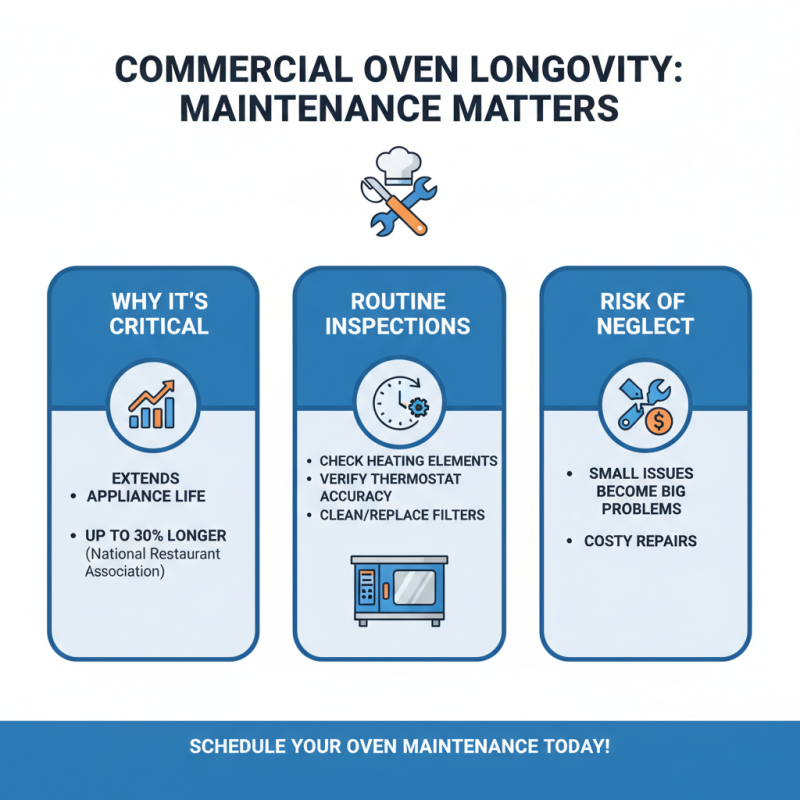
Maintaining a commercial oven is critical for its longevity. Regular maintenance can extend the life of these essential kitchen appliances. The National Restaurant Association reports that proper upkeep can increase equipment lifespan by up to 30%. Therefore, scheduling routine inspections is a necessity. Technicians should check heating elements, thermostat accuracy, and clean filters. Neglecting small issues may lead to larger, costly repairs.
Support is equally important. Most ovens come with warranties, but ongoing service plans offer peace of mind. A study by Food Service Equipment & Supplies found that 70% of kitchen equipment failures stem from inadequate maintenance. Prompt response to service requests can reduce downtime. Train staff on basic care, such as cleaning and monitoring performance. A well-informed team can identify potential problems early.
Failing to prioritize maintenance may lead to interruptions in service. A broken oven can halt production, affecting customer service. In a competitive market, these setbacks can be detrimental. Investing time and resources into maintenance is essential. It ensures that your business runs smoothly and efficiently. Taking small steps today can yield significant benefits tomorrow.