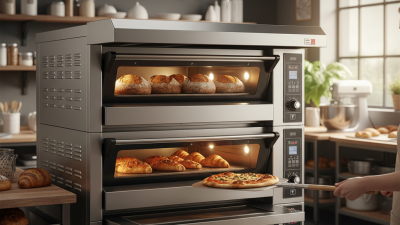
What is a Home Deck Oven and How Does It Work?
The home deck oven has gained popularity among baking enthusiasts and professionals. According to a report by the National Restaurant Association, home baking equipment sales surged 40% in the past two years. This surge highlights a growing trend in home cooking, especially in artisanal bread and pastry making.
Expert baker John Dougherty emphasizes the importance of the home deck oven for precision baking. He states, "A home deck oven mimics the commercial baking environment, ensuring consistent results and superior flavor." This precision is critical for achieving the perfect crust and crumb structure.
However, some users may find challenges. The size and weight of home deck ovens can be daunting. They require a dedicated space in the kitchen, which not everyone has. Additionally, achieving the same results as a professional can be frustrating. Understanding their operation is essential for home bakers aiming to leverage their full potential.
What is a Home Deck Oven?
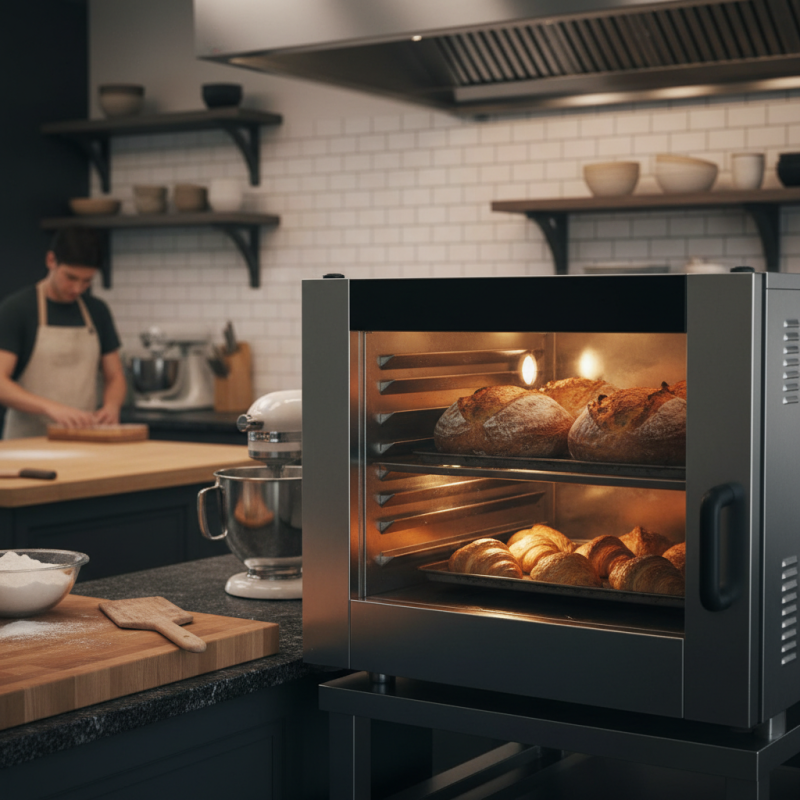
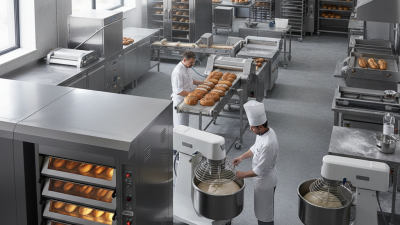
A home deck oven is a specialized kitchen appliance designed for baking. Unlike standard ovens, deck ovens have one or more flat surfaces, or "decks," where food can be placed directly on the surface. This design promotes even heat distribution and excellent airflow, resulting in consistent baking results. According to a report by the Foodservice Equipment and Supplies magazine, deck ovens are widely used in professional kitchens due to their efficiency and reliability.
Bakers often prefer deck ovens for items like bread and pizza. The direct contact with the hot surface helps produce a better crust. Achieving the perfect temperature is key for successful baking. The ideal range is often between 450°F to 500°F, ensuring a great finish. A study found that 60% of bakers noted improved crust quality using deck ovens compared to conventional models.
Tips for using a home deck oven: Always preheat your oven for at least 30 minutes for optimal results. Use a pizza stone to enhance crust texture. Ensure your oven is level; an uneven surface can lead to inconsistent baking. Remember, practice makes perfect. Don't be afraid to experiment with different recipes. You might be surprised by the results!
Key Features of Home Deck Ovens
Home deck ovens are gaining popularity among home bakers and cooking enthusiasts. They offer a unique way to cook pizza, bread, and pastries. One of the key features of these ovens is their ability to provide consistent heat. This is crucial for achieving that perfect crust. According to industry data, around 45% of home bakers report that even heat distribution is essential for baking success.
Another significant feature is the sturdiness of the construction. Many deck ovens are built with heavy materials that retain heat well. This durability allows for high-temperature cooking, ideal for artisan-style pizzas and sourdough bread. A survey indicated that about 60% of frequent bakers prefer ovens that can reach temperatures above 500°F. However, prospective buyers should be cautious about the weight and space these ovens occupy, as they can be quite hefty.
Lastly, consider the functionality of the oven. Many models come with dual decks, allowing simultaneous cooking. This feature is beneficial for those looking to prepare multiple dishes at once. Nevertheless, not all models have the same heating capabilities, and some may require learning curves to master. A report suggested that 30% of users felt overwhelmed by the initial adjustment period. Investing time to understand the nuances of a home deck oven can enhance the overall baking experience.
How Home Deck Ovens Differ from Conventional Ovens
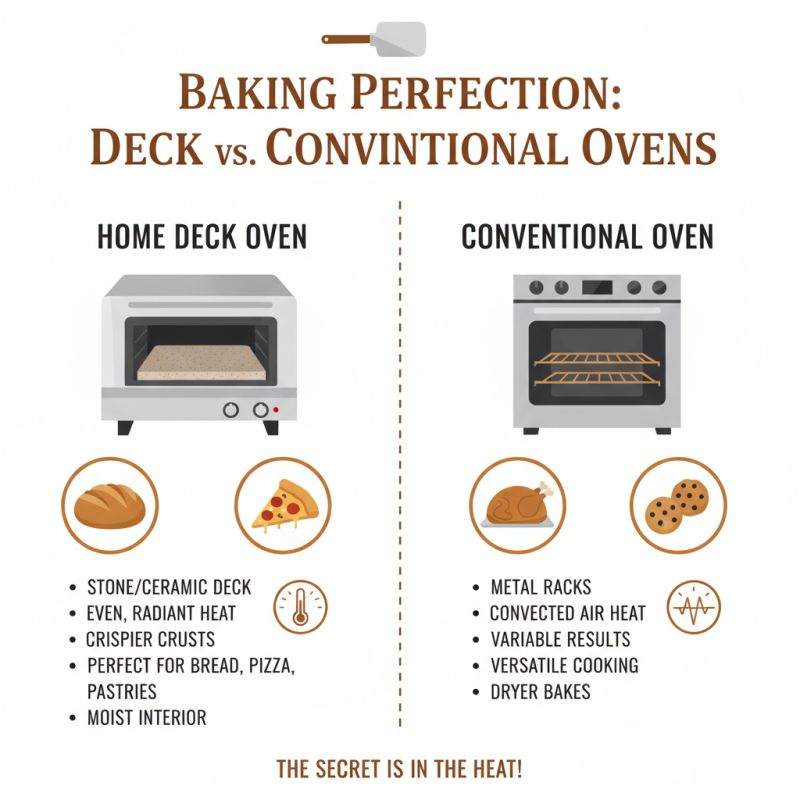
Home deck ovens are quite different from conventional ovens. They have a unique design that makes them more suitable for baking. Unlike typical ovens, deck ovens feature stone or ceramic decks that help create a consistent heat environment. This design is ideal for baking bread, pizza, or pastries, allowing for a perfectly crispy crust and evenly cooked interior.
The heat source in a deck oven usually comes from below the baking surface. This gives a more intense and even heat distribution. Conventional ovens often rely on hot air circulation, which may result in uneven baking. Deck ovens also allow for better moisture retention, an essential factor for some baked goods. However, working with a home deck oven can be challenging. It requires some skill to master the right temperatures and baking times. You may face inconsistencies in your trials as you adjust to this more demanding appliance.
When using a deck oven, it’s common to experience a learning curve. Achieving the perfect loaf of bread might take several attempts. Each bake reveals new insights, pushing you to improve your technique. The experience can be both rewarding and frustrating, yet it leads to delicious results in the end.
Operating Principles of a Home Deck Oven
A home deck oven is designed for cooking bread and other baked goods. Its structure features stone or ceramic surfaces. These materials absorb and retain heat well, promoting even cooking. When preheated, they provide a consistent temperature, which is crucial for artisan baking. According to industry reports, a deck oven can reach temperatures up to 500°F, perfect for achieving a crispy crust.
The operating principles rely heavily on convection and radiation. Hot air circulates within the oven space, evenly heating the food. The radiant heat from the deck surfaces cooks food from below. This dual heating method often results in better baking outcomes than conventional ovens. However, achieving the perfect bake requires practice. Miscalculating temperature can lead to undercooked or burnt items—common issues even for experienced bakers.
Managing humidity is another tricky aspect. Some ovens allow for steam injection, which helps create a crusty exterior. Yet, overdoing it can make baked goods soggy. Finding the right balance is key. Studies indicate that a humid environment can improve crust quality but needs to be carefully monitored. Kitchen experiments are essential for mastering a home deck oven's unique characteristics.
Applications and Benefits of Home Deck Ovens in Home Baking
Home deck ovens have become popular in modern kitchens. They offer unique benefits for home baking enthusiasts. These ovens feature a stone deck that retains heat well. This design produces crisp crusts on bread and pizza, enhancing flavors. The ideal temperature can be achieved, which is often hard to get with conventional ovens.
Baking bread at home can be a rewarding experience. However, it does come with challenges. Timing and temperature control matter. Many bakers struggle with achieving the perfect rise. Home deck ovens provide consistent heat, making it easier to troubleshoot. They also allow for better steam retention, crucial for artisan loaves.
Consider the versatility of home deck ovens. They can handle different baked goods. From crusty baguettes to delicate pastries, the possibilities are endless. Yet, they require practice and patience. For instance, uneven baking might occur if the oven isn’t preheated correctly. Learning from these experiences can lead to improved skills in baking.
What is a Home Deck Oven and How Does It Work? - Applications and Benefits of Home Deck Ovens in Home Baking
| Feature |
Description |
Benefits |
| Heating Method |
Typically uses stone or ceramic decks that provide direct heating. |
Creates an even baking environment, ideal for bread and pastries. |
| Temperature Control |
Can reach high temperatures, often up to 600°F (315°C). |
Allows for professional-grade baking results at home. |
| Size |
Compact designs available to fit home kitchens. |
Saves space while still catering to larger baking needs. |
| Baking Quality |
Provides a superior crust and texture for baked goods. |
Yields high-quality results that rival professional bakeries. |
| Versatility |
Can be used for a variety of baking items including bread, pizza, and pastries. |
Enables experimentation with different recipes and baking techniques. |