What is a Home Convection Oven and How It Transforms Cooking at Home
As the culinary landscape continues to evolve, the home convection oven has emerged as a revolutionary appliance that reshapes the way we cook. In recent years, the popularity of convection ovens in residential kitchens has soared, driven by their ability to deliver evenly cooked, delicious meals faster than traditional methods. According to a report by the Home Appliance Manufacturers Association, sales of convection ovens are projected to grow by 25% by 2026, reflecting a significant shift in consumer preferences towards more efficient cooking options.
Expert chef and kitchen appliance specialist, Dr. Emily Carter, emphasizes the transformative power of the home convection oven, stating, "These ovens not only reduce cooking times but also enhance flavor retention and improve texture, making them indispensable for both amateur cooks and culinary enthusiasts." With features like adjustable fan speeds and temperature controls, home convection ovens provide home cooks with unprecedented versatility, allowing for a wide range of techniques from roasting to baking.
In a world where convenience and quality are paramount, the home convection oven stands out as a cornerstone of modern cooking. As we delve into the top five models of 2025, it's essential to explore how this innovative appliance is changing home cooking dynamics, enhancing not only the process but also the enjoyment of food preparation.
Understanding Home Convection Ovens: Technology and Mechanisms Behind Their Operation
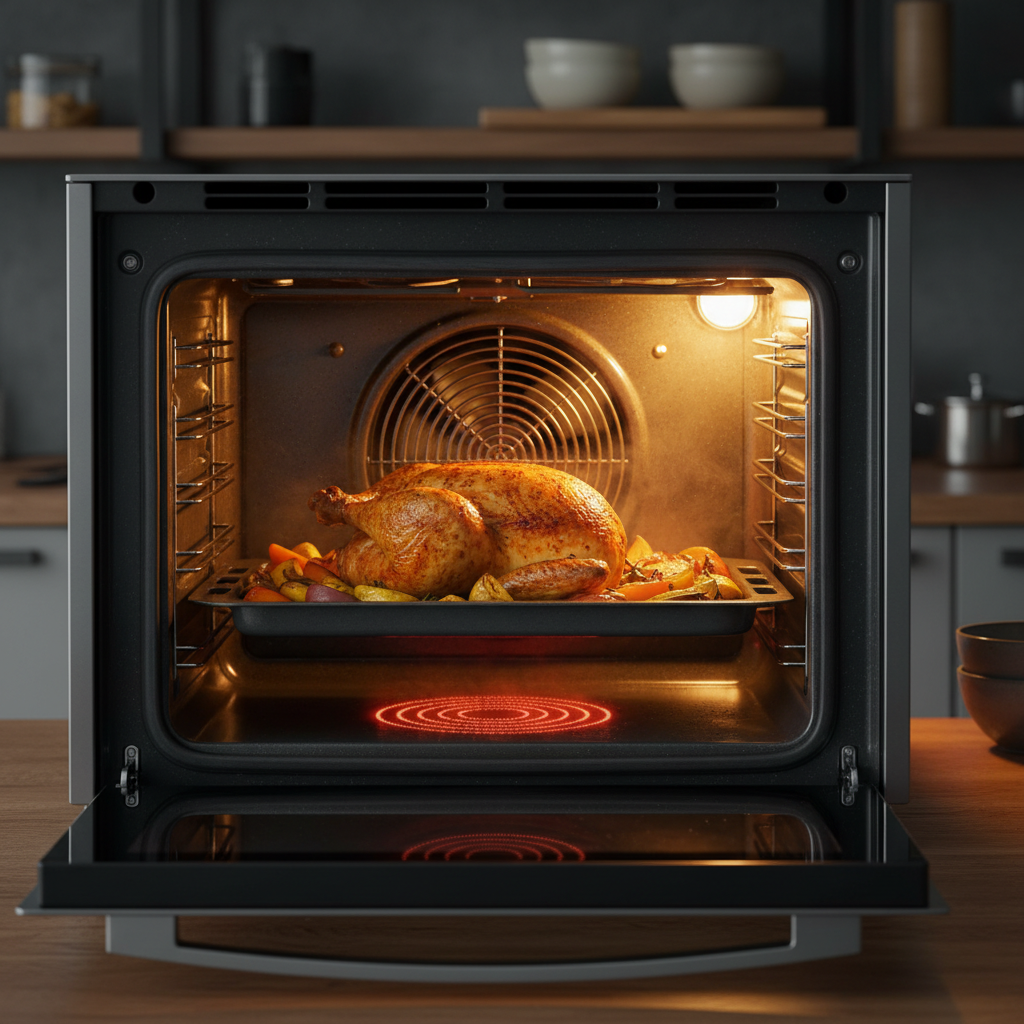
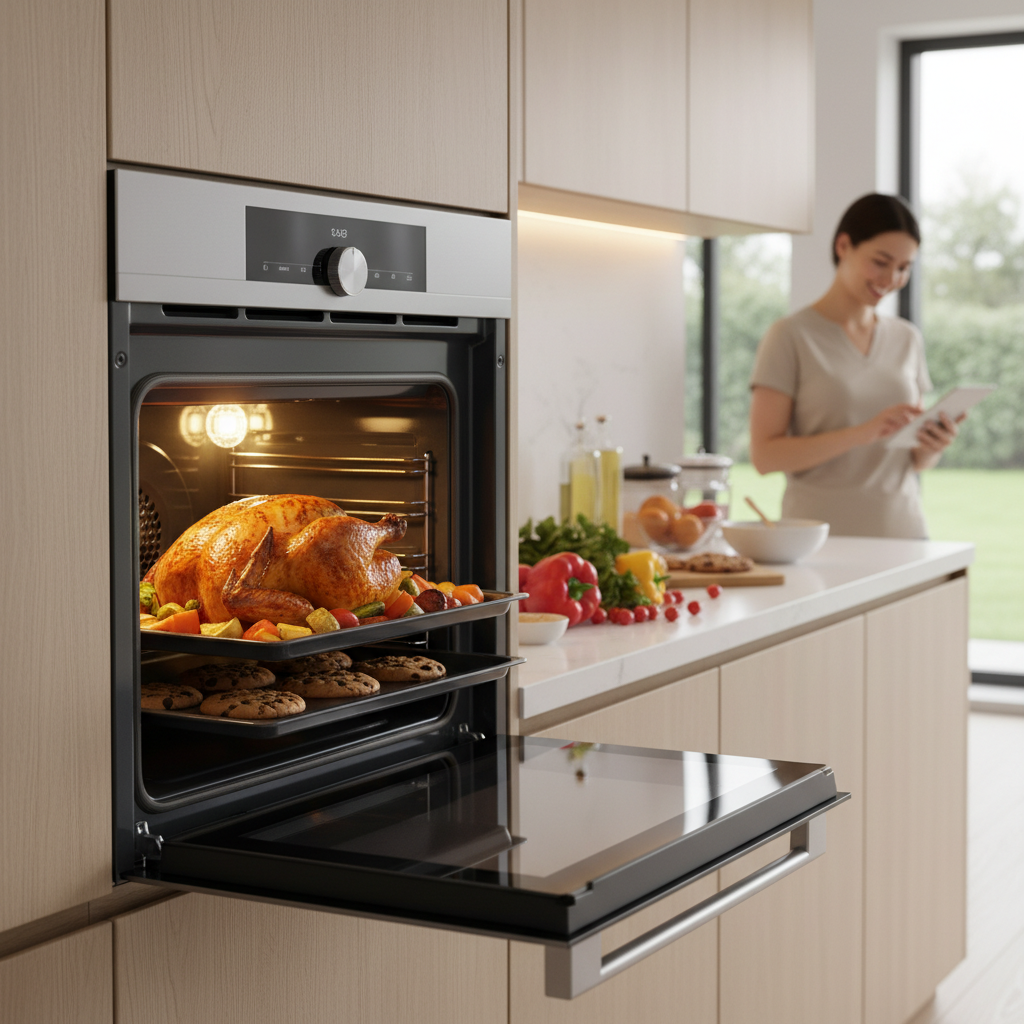
Home convection ovens utilize a fan and exhaust system to circulate hot air around food, ensuring even cooking and browning. This technology allows for faster cooking times compared to traditional ovens, as the consistent airflow helps to maintain optimal heat distribution. The design of a convection oven incorporates a heating element and a fan, which work together to create an efficient cooking environment. As a result, dishes can be cooked at lower temperatures and in shorter durations, making meal preparation quicker and more energy-efficient.
The mechanism behind convection cooking relies on the principles of thermodynamics, specifically how hot air rises while cooler air sinks. The fan continuously moves the hot air around the food, minimizing the temperature gradients that often lead to uneven cooking. Furthermore, convection ovens often have multiple racks which allow for cooking multiple dishes simultaneously without the transfer of flavors. This innovative cooking method not only enhances the flavors and textures of food but also promotes a healthier lifestyle by enabling the use of less fat and oil in cooking.
The Impact of Convection Ovens on Cooking Efficiency and Time Reduction
Convection ovens have revolutionized the way we prepare meals at home. By utilizing a fan and an exhaust system, these ovens circulate hot air around the food, leading to more even cooking and browning. This method allows for faster cooking times compared to traditional ovens, ultimately enhancing cooking efficiency. Home cooks can enjoy crispy results for baked goods and roasted meats without the extended wait times, making it ideal for busy lifestyles.
Tips: To maximize the benefits of your convection oven, consider reducing the temperature by 25°F compared to conventional recipes. This adjustment will help prevent overcooking and ensure optimal results. Additionally, try using shallow baking pans to allow air to circulate better around your food, promoting even heat distribution.
Furthermore, convection ovens are perfect for multitasking in the kitchen. You can cook multiple dishes simultaneously without sacrificing quality. Use the various racks available in the oven to fit several trays of cookies or even an entire meal—like roasting vegetables while baking chicken—saving you both time and energy.
Analyzing the Health Benefits of Cooking with Convection Ovens: Nutritional Retention Data
Convection ovens have revolutionized home cooking by employing a fan and exhaust system that circulates hot air around food, ensuring even cooking and browning. This method not only reduces cooking times but also contributes to preserving the nutritional value of the ingredients. Research shows that convection cooking can significantly enhance the retention of vitamins and minerals, particularly in vegetables and meats, by minimizing their exposure to heat, which often depletes essential nutrients.
Furthermore, studies indicate that the increased airflow in convection ovens leads to less moisture loss during cooking. This is particularly beneficial for retaining water-soluble nutrients, such as Vitamin C and the B vitamins, which are sensitive to heat and oxidation. Consequently, cooking with a convection oven not only results in tastier meals but also promotes a healthier diet by ensuring that more of the food's natural nutrients remain intact. As more home cooks become aware of these benefits, convection ovens are likely to gain even greater popularity in the quest for healthy and efficient cooking methods.
Market Trends in Home Convection Oven Sales: Consumer Preferences and Predictions for 2025
The home convection oven market is experiencing significant growth, driven by evolving consumer preferences and a rising interest in versatile cooking appliances. According to a report by Grand View Research, the global convection oven market is expected to reach $3.6 billion by 2025, expanding at a compound annual growth rate (CAGR) of 6.3%. This trend indicates a shift towards more efficient cooking solutions that cater to contemporary lifestyles, where convenience and speed are paramount.
Consumer preferences are also shifting towards smart technology integration in kitchen appliances. A survey by Statista revealed that nearly 40% of consumers prioritize connectivity features in their cooking devices. Additionally, the rise of health-conscious eating has led consumers to seek appliances that promote healthier cooking methods. This shift is reflected in the increased sales of convection ovens, known for their ability to cook food evenly while reducing the need for excess fats and oils. As we move towards 2025, it's clear that home convection ovens will continue to transform the culinary landscape, offering innovative solutions that align with consumer demands for health, efficiency, and quality.
Energy Efficiency of Convection Ovens: Cost Savings and Environmental Benefits Explained
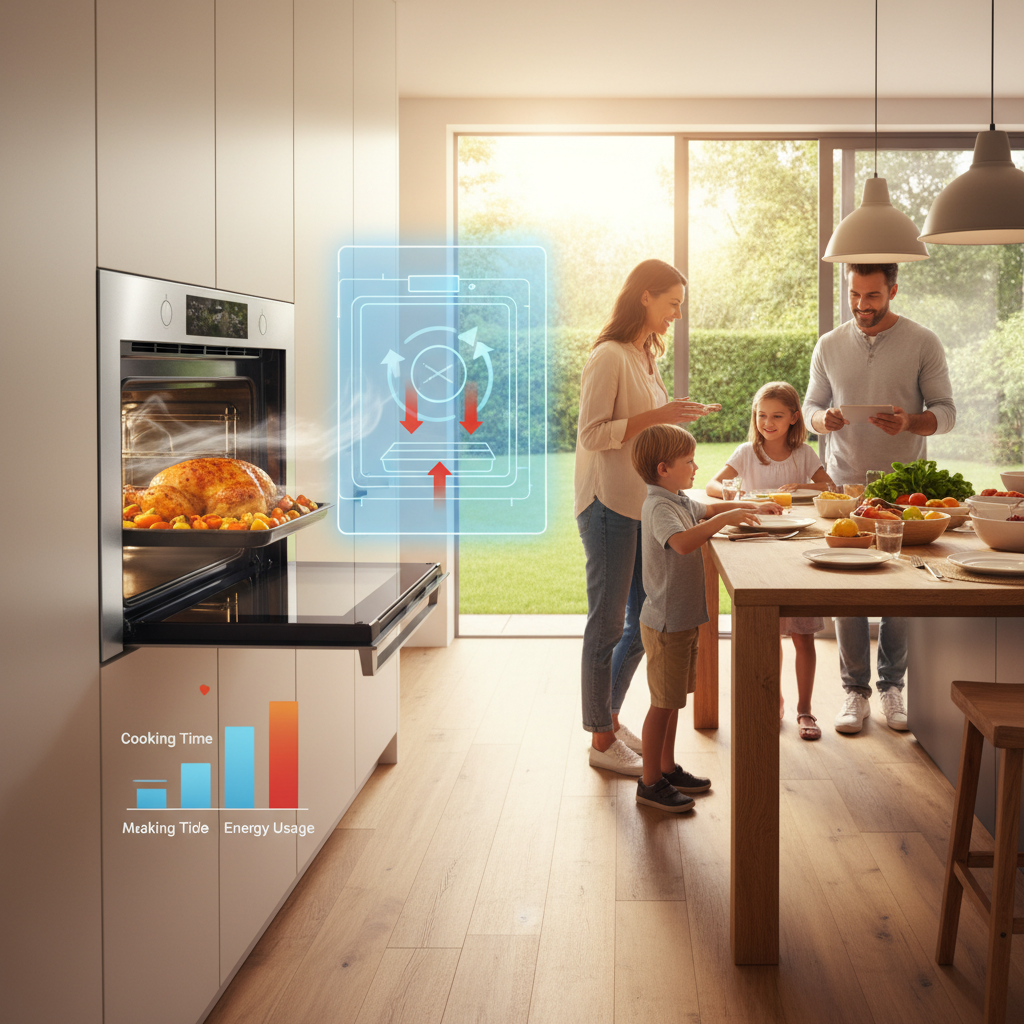
Convection ovens are revolutionizing the way we cook at home, primarily due to their energy efficiency. Unlike traditional ovens, which rely on radiant heat, convection ovens circulate hot air with the help of a fan. This results in faster cooking times and more even heat distribution, allowing users to prepare meals using less energy. By reducing cooking duration, households can decrease electricity usage, translating to lower utility bills over time.
In addition to cost savings, the environmental benefits of convection ovens are significant. With less energy required for cooking, they contribute to a reduction in overall energy consumption, which in turn helps lower greenhouse gas emissions. As more consumers become environmentally conscious, the shift towards energy-efficient appliances like convection ovens can facilitate a deeper commitment to sustainability. This technological advancement not only enhances culinary experiences but also aligns with eco-friendly living, making it an ideal choice for modern households.