What Is Fancy Suit Fabric A Guide for Global Buyers?
Choosing suit fabric is not a matter of touching a glossy swatch and calling it premium. For global buyers, Fancy Suit Fanric involves fiber composition, yarn count, weave structure, finishing, performance, and supply reliability. A fabric may look luxurious under showroom lights but feel heavy, pill quickly, or lose shape after pressing. Small details matter. Think of a navy wool blend on a cutting table: its hand feel, recovery, drape, and color under daylight can reveal more than its label.
Market data explains why this decision deserves technical attention. Textile Exchange’s Materials Market Report 2024 reported approximately 124 million tonnes of global fiber production in 2023, with output projected to reach 160 million tonnes by 2030. That scale increases material choices, but also complicates traceability. The International Wool Textile Organisation regularly emphasizes wool’s measurable performance, including resilience, moisture management, and natural durability. However, no fiber is automatically suitable for every suit.
Buyer experience should guide the evaluation. Request a complete specification sheet, including fiber percentages, fabric weight, width, weave, finish, and testing standards. Ask for colorfastness, pilling, shrinkage, and abrasion results. Certifications can support credibility, but they should be verified through recognized databases or supplier documentation. Do not rely on vague phrases such as “luxury quality.”
There is no perfect fabric.
The right choice depends on climate, price target, tailoring method, end use, and delivery volume. This guide examines Fancy Suit Fanric with those practical limits in mind, while acknowledging an uncomfortable truth: attractive samples do not always predict reliable bulk production.
Defining Fancy Suit Fabric and Its Role in Formalwear
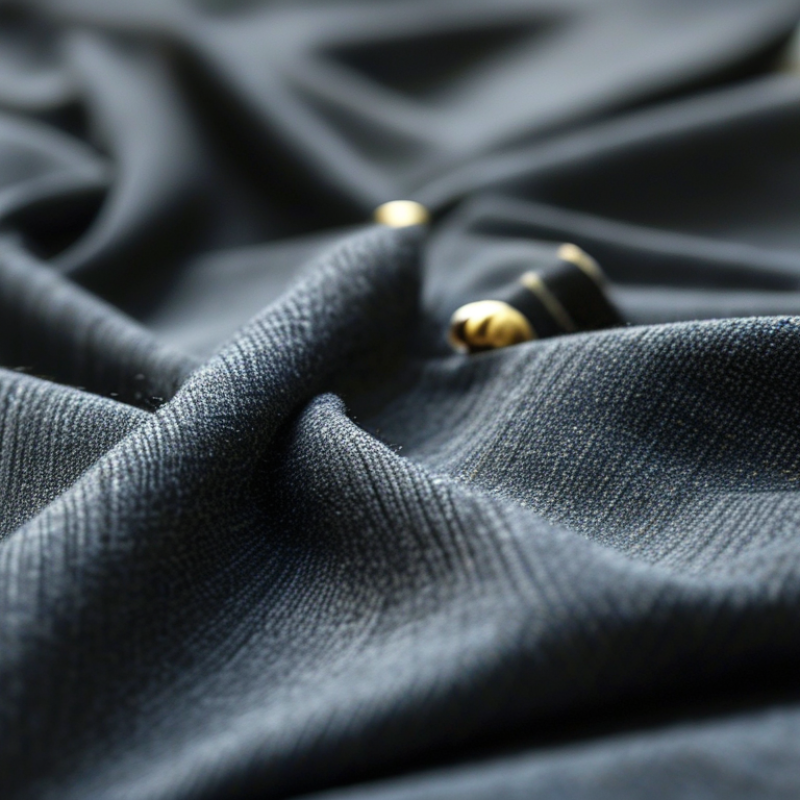
In formalwear, fancy suit fabric means a material with distinctive texture, pattern, sheen, or surface structure. It may feature jacquard motifs, dobby designs, subtle metallic threads, or raised yarns. The word fancy does not automatically mean expensive. A moderately priced wool blend can look more refined than a costly fabric with poor balance. Its defining qualities are visual depth, controlled drape, comfort, and resistance to everyday creasing. For global buyers, this distinction supports clearer specifications and fewer sampling disputes.
From practical sourcing experience, fabric should be judged under several lighting conditions. A silver thread may look elegant in a showroom but appear harsh under direct daylight. Touch matters. Buyers should check the fabric’s recovery, softness, and surface stability by bending and rubbing a sample. A 260-gram cloth may suit structured jackets, while lighter fabric can perform better in warm regions. Climate, lining choice, and garment construction all affect the final result. Not every attractive surface remains comfortable after hours of formal wear.
Fancy fabric gives a suit authority without relying on loud decoration. A textured weave can sharpen a plain silhouette, while a restrained sheen adds depth to evening tailoring. Reliable purchasing requires composition, width, weight, colorfastness, abrasion, and shrinkage details. Independent test reports can support these claims. Small inconsistencies matter. One mistake I have seen is approving a swatch without checking the full roll. Buyers sometimes prioritize appearance over movement and breathability. That choice can backfire during long ceremonies, travel, or repeated wear.
What Is Fancy Suit Fabric? A Guide for Global Buyers
Typical suiting fabric weight by formalwear use case
Why fabric weight matters: Suit fabric weight affects seasonal comfort, drape, structure, and durability. Lightweight fabrics are commonly selected for warm climates and summer tailoring, while heavier fabrics provide more structure and warmth for winter formalwear.
The figures shown are representative midpoint values within commonly used suiting ranges: approximately 220–260 g/m² for lightweight fabrics, 260–300 g/m² for year-round fabrics, and 300–400 g/m² for heavier winter fabrics. “Fancy” fabric is not defined by weight alone; fiber quality, weave, finishing, texture, color, and pattern also influence its formal appearance.
Key Fiber Types Used in Fancy Suit Fabrics
What Is Fancy Suit Fabric? A Guide for Global Buyers
Wool remains the reference fiber for fancy suit fabrics. Its natural crimp helps cloth recover after sitting, while fine fibers create a smooth surface. Merino wool usually measures below 24 microns, but softer is not always better. Extremely fine wool can lose durability in daily business wear. According to Textile Exchange’s Materials Market Report 2024, wool represents roughly 1% of global fiber production, making it a specialized material rather than a volume fiber.
Polyester is widely used in suit blends because it improves abrasion resistance, crease recovery, and price stability. The same report states that polyester accounts for about 57% of global fiber output. Recycled polyester can reduce dependence on virgin feedstock, but buyers should request verified chain-of-custody documents. Viscose and other man-made cellulosic fibers add fluid drape and a soft hand. Their environmental performance depends heavily on pulp sourcing and manufacturing controls.
Linen gives summer tailoring a dry touch and visible slub texture. It wrinkles quickly. That can be elegant, or unacceptable, depending on the market. Silk adds luster and smoothness, but pure silk may require careful handling. I often inspect a fabric under daylight, then bend and rub a sample by hand. A high Super number alone proves little. Fiber fineness, yarn twist, weave density, finishing, and testing records deserve equal attention. The label can look impressive. Performance may still disappoint.
How Weave, Texture, and Finish Shape Fabric Appearance
Fancy suit fabric is judged by more than its fiber content. During fabric inspections, I study the weave before touching the finish. A tight twill creates a clear diagonal line and supports a sharp silhouette. Open weaves feel lighter and allow more air, but they may crease sooner. Small differences matter. Under direct light, a plain weave can appear flatter than a textured basket weave.
Texture changes how color is perceived. Raised yarns catch light, while compact surfaces absorb it and look deeper. Slub effects, subtle ribs, and fine pebbling add visual movement without loud patterns. For global buyers, this matters because showroom lighting rarely matches office or outdoor light. Ask for a daylight sample. Rub the cloth gently between your fingers. Notice whether the surface feels lively, dry, smooth, or overly polished.
Finish controls the fabric’s final hand and visual character. Softening treatments can create comfort, yet excessive treatment may reduce body and recovery. A mild sheen can look elegant, but strong gloss may appear unsuitable in conservative markets. I once underestimated how much pressing changed a fabric’s appearance. The sample looked rich before pressing, then seemed too flat afterward. That experience made me check finished and unfinished samples separately. Buyers should also inspect edge curling, surface fuzz, and color consistency across the roll. These details often reveal production differences that a small swatch hides.

