What is an Eco Friendly Glass Bottle and its Benefits?
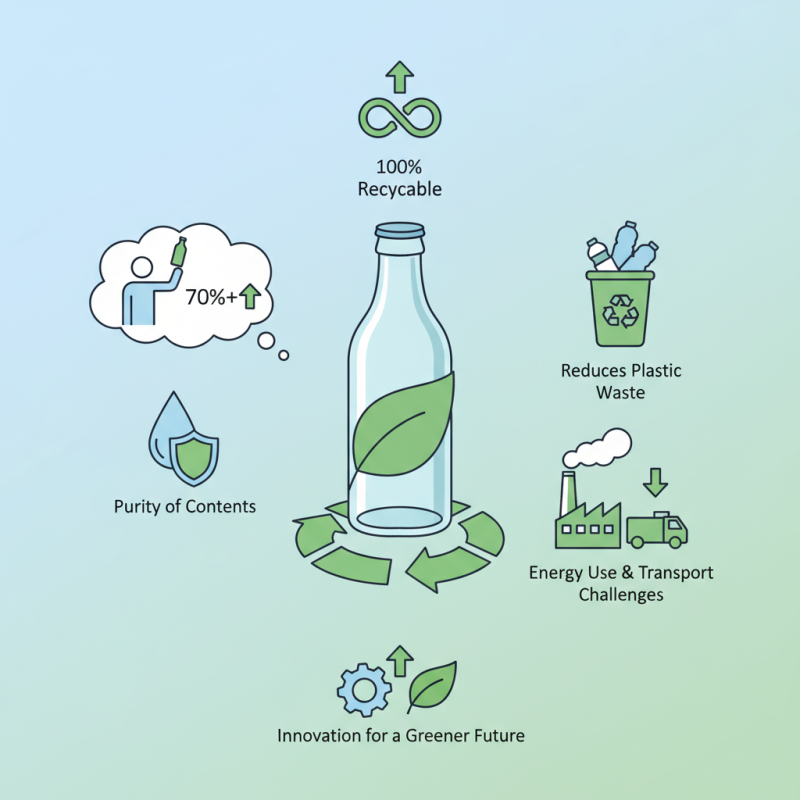
In recent years, the demand for Eco Friendly Glass Bottles has surged. A report from the Glass Packaging Institute reveals that glass is 100% recyclable and can be recycled endlessly without losing quality. This makes it a standout choice in sustainability efforts.
Consumers are increasingly aware of environmental issues. According to a survey by Euromonitor International, over 70% of consumers prefer products that use sustainable packaging. An Eco Friendly Glass Bottle not only reduces plastic waste but also helps maintain the purity of contents. Unlike plastic, glass does not leach harmful chemicals, ensuring safety for both users and the planet.
However, challenges remain. The energy used in producing glass can be significant. Transporting glass bottles also incurs a larger carbon footprint compared to lightweight alternatives. This calls for ongoing innovation in manufacturing and distribution processes. Addressing these issues effectively could bolster the benefits of Eco Friendly Glass Bottles even further.
What Defines an Eco-Friendly Glass Bottle in Today's Market?
Eco-friendly glass bottles are becoming a popular choice in today's market. They are made from natural materials, primarily silica sand. This recyclable material is responsible for the bottles' durability and low environmental impact. According to a report by the Glass Packaging Institute, glass can be recycled indefinitely without loss of quality. This fact highlights its sustainability compared to plastic options.
The market for eco-friendly glass bottles is expanding rapidly. A study by Allied Market Research indicated that the global glass bottle market is projected to reach $96.9 billion by 2025. Consumers are increasingly aware of environmental issues, driving demand for sustainable products. Many prefer bottles that reduce waste and contribute to circular economies. However, the production process still consumes significant energy and resources, raising questions about its overall impact.
Despite the benefits, not all glass bottles are equally eco-friendly. Some may contain additives that complicate recycling. Consumers must remain vigilant and informed. A Glass Recycling Coalition report notes that addressing contamination in recycling systems is crucial. Thus, careful selection and knowledge about the bottles' composition become essential for making responsible choices.
Benefits of Eco-Friendly Glass Bottles
Key Environmental Benefits of Using Glass Bottles Over Plastic
Glass bottles are increasingly recognized for their eco-friendly qualities. Unlike plastic, glass is made from natural materials like sand and soda ash. This means they have less impact on the environment during production. Glass bottles are fully recyclable, and many recycling programs accept them. They can be recycled repeatedly without losing quality. In contrast, plastics can degrade in quality when recycled.
Using glass bottles helps reduce plastic pollution. Plastics can take hundreds of years to decompose. They often end up in oceans, harming marine life. Switching to glass bottles can help alleviate this problem. Moreover, glass does not leach harmful chemicals into beverages. This preserves the taste and quality of drinks better than plastic.
However, glass is heavier and can break easily, posing challenges for consumers. Handling breaks can lead to accidents. It's essential to weigh the pros and cons while making choices. Each bottle choice impacts the environment. Choosing glass can be a step toward sustainability, but it’s not without its considerations.
Impact of Glass Bottles on Reducing Plastic Waste Statistics
The widespread use of glass bottles significantly contributes to reducing plastic waste. In recent years, studies have shown that over 480 billion plastic bottles are sold each year. This alarming statistic highlights the urgent need for alternatives. Glass bottles, being reusable and recyclable, present a sustainable option that minimizes environmental impact.
A single glass bottle can be reused multiple times, reducing the demand for new plastic production. Additionally, recycling glass requires less energy than producing new glass. Many communities have adopted initiatives to encourage glass recycling, enhancing awareness about the detrimental effects of plastic waste. Despite being heavier and more fragile, glass bottles are often preferred for their non-toxic properties.
However, transitioning to glass is not without challenges. Some may find glass bottles inconvenient or expensive. Additionally, recycling programs vary in efficiency across regions. This inconsistency can lead to frustration, as not all glass bottles will be properly recycled. Awareness must grow around proper disposal methods and the potential that glass presents in our fight against plastic waste.
Recyclability and Lifecycle of Eco-Friendly Glass Bottles
Eco-friendly glass bottles are becoming popular due to their recyclability. Unlike plastic, glass can be recycled endlessly without losing quality. This means that once a bottle is disposed of, it can be melted down and reshaped into a new bottle. This closed lifecycle reduces the need for raw materials and energy input, minimizing the environmental footprint.
While glass is highly recyclable, the infrastructure for recycling can be inconsistent in various regions. Some areas offer robust programs, while others may have limited options. This inconsistency can lead to confusion about whether glass bottles are truly eco-friendly when disposed of improperly. Furthermore, the energy required for glass production and recycling can still be substantial, raising questions about its overall sustainability.
Despite these challenges, glass bottles do offer significant benefits. They are non-toxic and do not leach harmful chemicals into beverages. This makes them a safer choice for consumers. In addition, glass can maintain the taste and quality of liquids much better than plastic. By choosing eco-friendly glass bottles, we support a shift toward more sustainable practices, even as we recognize the complexities involved in their lifecycle.
Consumer Trends Toward Sustainable Packaging in Beverage Industry
Consumer behavior in the beverage industry is shifting towards sustainability. Many buyers now prefer eco-friendly packaging options. According to a 2022 survey by Nielsen, 73% of global consumers are willing to change their consumption habits to reduce environmental impact. This statistic highlights a profound demand for sustainable solutions in packaging. Glass bottles are emerging as a favored choice among environmentally conscious consumers.
Glass bottles offer several advantages over plastic. They are recyclable and can be reused without degrading in quality. The Beverage Industry Environmental Roundtable (BIER) reports that glass is recycled at a rate of 33% in the U.S., compared to just 9% for plastic. Despite these benefits, the high energy costs of production and transportation remain a challenge. Additionally, not all recycling programs effectively handle glass, leading to waste in some regions.
The consumer trend toward sustainable packaging is not without its complexities. Some individuals are unaware of the differences in recycling processes for glass and plastic. There's also the misconception that all glass is eco-friendly. Addressing these misunderstandings is vital for companies exploring sustainable options. Educating consumers can foster a more informed market and drive positive changes in industry practices.
What is an Eco Friendly Glass Bottle and its Benefits?
| Feature | Description | Benefits | Preferences (%) |
| Material | Recycled glass or sustainable sourced glass | Reduces environmental impact and waste | 45% |
| Reusability | Can be used multiple times | Minimizes single-use plastic consumption | 55% |
| Health Safety | Free from harmful chemicals (e.g., BPA) | Safer for consumption | 70% |
| Aesthetic Appeal | Available in various designs and colors | Enhances the product's visual appeal | 65% |
| Consumer Demand | Increasing preference for sustainable packaging | Aligns with eco-conscious consumer behavior | 80% |

