Why Choose Thermal Paper Labels for Your Business?

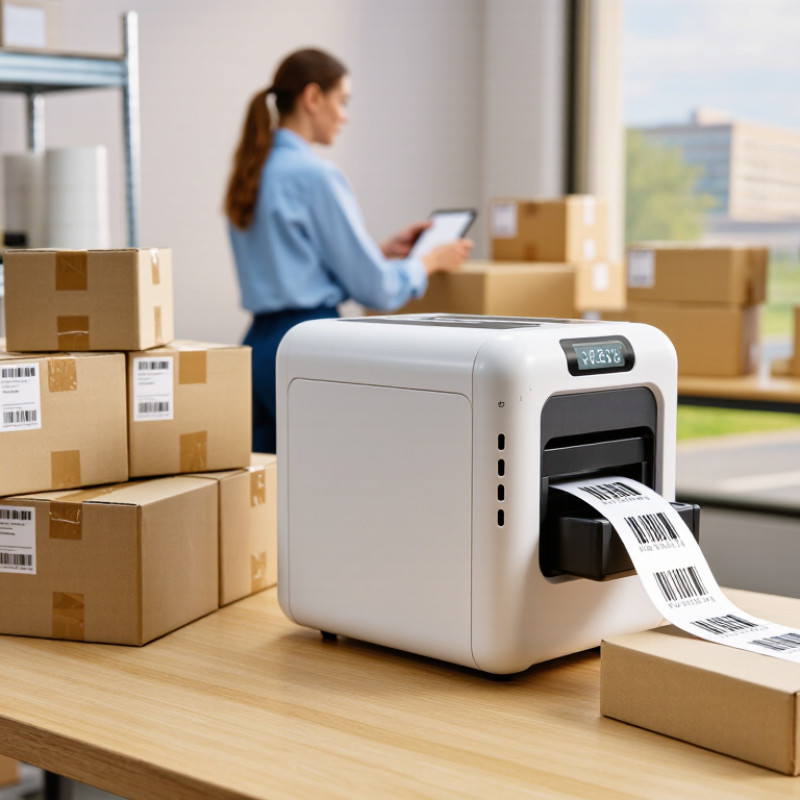
Thermal Paper Labels can make everyday labeling faster, especially when a business prints shipping details, product information, or receipts in-house. A compact printer warms selected areas of heat-sensitive material to create text and barcodes. No ink cartridge is needed. That can simplify routine print jobs and reduce the supplies staff need to keep nearby. In a busy packing area, a clear label can move from printer to parcel in seconds.

Still, the right choice depends on the job. Direct thermal labels can fade with heat, sunlight, friction, or extended storage, so they may not suit every product or environment. Thermal transfer printing uses a ribbon and compatible label stock, which can offer better durability for some applications. The distinction matters. Before choosing, businesses should consider label size, printer compatibility, expected storage time, and exposure to handling or temperature changes. Testing a sample on an actual package is often more useful than relying on a product description alone.

This article explores the practical benefits, limitations, and selection factors behind Thermal Paper Labels. It also considers where they fit in shipping, retail, inventory, and other daily workflows. Convenience is real, but not automatic. A label that prints quickly still needs to stay readable. And sometimes, the cheapest option today is not the best one for a product stored for months.
Why Choose Thermal Paper Labels for Your Business?

What Thermal Paper Labels Are and How They Work

Thermal paper labels create images through heat rather than liquid ink. In direct thermal printing, a heated printhead touches specially coated paper. Tiny heated points trigger a chemical change, forming dark text, numbers, or barcodes. No ink cartridge is needed. The process is simple.

Thermal transfer printing works differently. Heat moves ink from a ribbon onto the label, which can improve resistance to smearing, light, or handling. The right choice depends on where the label will live. A shipping label may need to stay readable for days; a freezer or warehouse label may face tougher conditions. Test the actual surface and environment, not just the printer.

Smithers’ 2023 report, The Future of Labels and Release Liner to 2028, estimated global label consumption at 72.8 billion square metres in 2023. That scale reflects labels’ everyday role across supply chains, but it does not mean every label needs the same material. Direct thermal paper can fade faster when exposed to heat, sunlight, or friction. That trade-off is easy to overlook. A label that looks crisp at the packing bench may become hard to scan after a hot delivery van ride. Check print contrast and legibility after realistic storage and handling, then choose the paper accordingly.

How Businesses Use Thermal Labels Across Daily Operations

At receiving, staff can print a thermal label with a barcode, item number, or date code, then attach it directly to a carton. In stockrooms, matching labels on shelves and bins make put-away and cycle counts easier. Pickers can scan a location, confirm an item, and label an outgoing parcel at the packing bench. The Pitney Bowes 2023 Parcel Shipping Index reported 21.2 billion U.S. parcels in 2022. At that volume, clear, scannable shipping labels matter. Small detail. Big consequence.

Thermal labels also help track food-service containers, clinic samples, and return parcels, where quick identification supports routine handoffs. NRF and Appriss Retail estimated that U.S. merchandise returns totaled $743 billion in 2023, or 14.5% of annual retail sales. A return label can connect a parcel to its order and inspection record. But direct thermal stock can darken or fade with heat, sunlight, and abrasion. Labels kept near a hot packing line may become harder to read. And yes, labels still get misapplied. Teams should test stock in real storage and handling conditions, not just at the printer.

Key Advantages for Speed, Cost, and Readability

Why Choose Thermal Paper Labels for Your Business?
Key Advantages for Speed, Cost, and Readability

Thermal paper labels print through heat, so many setups need no ink or ribbon. That can simplify daily packing work and reduce supply changes. A clear barcode can emerge in seconds, ready for a carton or shelf bin. During busy shifts, fewer steps matter. Still, print speed depends on the printer, label stock, and workflow.

Tips: Keep label rolls dry and away from direct sunlight. Test a sample barcode on the actual packaging before ordering in bulk. A quick scan check can catch faint printing or sizing issues.

The upfront cost may be attractive, especially for short-lived shipping or inventory labels. Yet thermal paper can fade with heat, friction, or prolonged light exposure. It may not suit records that need to remain readable for years. Compare the full cost, including label changes and reprints. Readability also depends on contrast: dark, crisp bars scan more reliably than pale marks. I’ve seen teams focus on print speed and overlook storage conditions. That is an easy mistake, and not every label needs the same lifespan.

Why Choose Thermal Paper Labels for Your Business? - Key Advantages for Speed, Cost, and Readability
Business Dimension How Thermal Paper Labels Perform Practical Business Advantage Important Consideration
Printing speed Direct thermal printers create images by applying heat to heat-sensitive label material, without waiting for ink to dry. Can support quick, on-demand printing for shipping, retail, and warehouse workflows. Actual throughput depends on the printer, label size, print settings, and production workflow.
Consumable costs Direct thermal printing does not require ink or a thermal-transfer ribbon. Fewer printing consumables to purchase, store, and replace can simplify routine operations. Label stock still has a cost, and total savings depend on print volume, equipment, and label specifications.
Text and barcode readability Suitable direct thermal materials can produce clear text and machine-readable barcodes when the printer is correctly configured. Readable labels can help staff scan and identify products, parcels, and inventory. Use compatible labels and verify print quality with the scanners and systems used in your operation.
Printer maintenance Without ink cartridges or ribbons, there are fewer consumable components to change during printing. May make day-to-day printer operation straightforward for busy teams. Printheads and other printer parts still require appropriate cleaning and maintenance.
On-demand flexibility Labels can be printed as needed, including variable information such as dates, prices, and shipping details. Helps teams produce current labels without pre-printing every individual design. Confirm that the label format, software, and printer support the required information and layout.
Durability and storage Direct thermal images can be affected by heat, light, abrasion, and some environmental conditions. Works well for many short-term labeling needs when the label is stored and used appropriately. For long-term identification or exposure to harsh conditions, assess the application carefully; thermal-transfer labels may be more suitable.
Typical applications Common uses include shipping labels, receipts, tickets, and short-term product or inventory labels. Provides a practical option where labels need to be generated quickly and replaced regularly. Choose the label material based on its expected lifespan, storage conditions, and surface.

How to Choose the Right Thermal Label for Your Needs

Choosing a thermal label starts with its environment, not the printer. Direct thermal labels suit short-lived shipping and checkout labels because they need no ribbon. Heat, sunlight, and friction can darken or fade them. Thermal-transfer labels use a ribbon and usually resist abrasion better. They are often preferable for warehouse bins, product identification, or labels kept for months. There is no perfect stock.

Match the adhesive to the surface. A label on a corrugated carton behaves differently from one on a cold plastic tote. Check the surface temperature, moisture, handling, and expected label life. Then test the actual label, adhesive, and printer together. A quick test on a clean desk can be misleading. Try a cold container and a rough carton, too.

For barcode-heavy labels, print quality matters as much as material. ISO/IEC 15416 grades linear barcode quality on a 0.0–4.0 scale; lower grades can signal scanning risk. Verify labels with a suitable verifier rather than relying only on a successful scan. A small trial can catch smudging, curling, or poor adhesion before a full order. It takes time. Still, skipping that test is a common, avoidable gamble.

Important Limitations and Storage Considerations

Thermal paper labels are convenient, but their image sits near the surface. Heat can darken the coating, while sunlight, friction, oils, and cleaning chemicals can make printed details fade or blur. A label on a warm delivery tote may age differently from one kept in a cool stockroom. That difference matters when a barcode must still scan weeks later.

Storage conditions deserve attention. Keep unused rolls in their original packaging, away from windows, heaters, and dusty work areas. A practical packaging benchmark is ASTM D4332-22, which uses 23°C and 50% relative humidity as a standard conditioning atmosphere. This is a test reference, not a promise of label life. Record the supplier’s stated shelf life, and test a sample under your own conditions. Small checks help.

For long-term records, outdoor use, or rough handling, direct thermal stock may not be the best fit; thermal-transfer labels often offer greater resistance when paired with suitable materials. Check the label after exposure to heat, moisture, or rubbing, rather than relying only on a clean first print. Storage guidance can vary by coating and adhesive. It is easy to overlook that.

Why Choose Thermal Paper Labels for Your Business?

Important limitations and storage considerations

Direct thermal labels print without ribbons, making them convenient for short-term labeling. Their images can be affected by heat, sunlight or UV, friction, and contact with certain oils or chemicals. Store labels in a cool, dry place away from direct light and follow the product’s storage guidance. Risk levels shown are qualitative, not standardized test results; actual durability varies by label construction and exposure.