How to Choose the Right Commercial Ovens for Your Business Needs?
Choosing the right commercial ovens is crucial for any food service business. The global commercial oven market is projected to reach $10 billion by 2025, highlighting the increasing demand for efficient cooking equipment. Many chefs emphasize the importance of selecting ovens that match specific culinary needs. However, not all ovens are created equal.
Factors such as cooking capacity, energy efficiency, and ease of use are vital. Research shows that nearly 70% of restaurant failures stem from poor kitchen equipment choices. Investing in the right commercial ovens can enhance food quality and operational efficiency. This is where the nuances of different oven types come into play.
In focusing on features like convection versus traditional baking, operators must navigate their unique business models. Some may overlook maintenance costs or the importance of warranties. Ensuring you choose the right commercial ovens can prevent operational setbacks and enhance customer satisfaction. Each decision shapes your business's future. Take the time to assess what truly meets your needs.
Understanding Your Business Requirements for Commercial Ovens
Choosing the right commercial ovens starts with understanding your
specific business needs. Consider what type of cuisine you offer. Is it baking pastries, roasting meats, or preparing pizza?
Each requires different oven types. Your menu directly influences your choice.
Next, consider your kitchen space. How much room do you have?
An oven's size is crucial. Large models may fit limited kitchens poorly.
Think about the layout too. Efficient workflow enhances your kitchen operations.
Finally, evaluate your production volume. Are you serving a small cafe or a large restaurant? Volume dictates the oven's capacity and performance.
Your goals should align with the oven's capabilities. Reflect on your long-term plans. An oven is a significant investment.
Choose wisely, as it impacts your business's success.
Identifying Different Types of Commercial Ovens Available in the Market
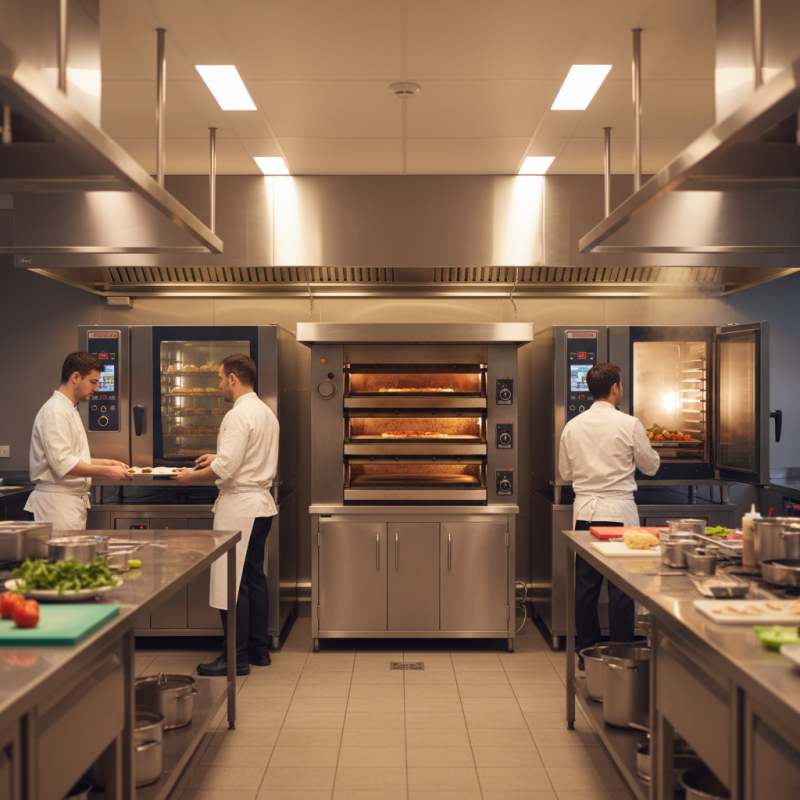
When selecting commercial ovens, understanding the types available is crucial. The market features several oven types tailored to various cooking methods. Convection ovens circulate hot air for even cooking, ideal for bakeries and restaurants. According to industry reports, convection ovens can reduce cooking time by 25% compared to conventional ovens.
Another common type is the combi oven, which combines steam and dry heat. This versatility allows for a range of cooking techniques. Research indicates that combi ovens help save energy, providing up to 15% efficiency compared to traditional methods. As energy costs rise, this efficiency can significantly impact your bottom line.
**Tip:** Consider your menu when choosing an oven. If you focus on baked goods, a convection oven may suit you best. For versatile cooking, a combi oven can handle various dishes. Reflect on your kitchen space too; size and layout affect functionality. A poorly planned kitchen may hinder your efficiency, leading to more stress during peak hours.
Don't overlook reaching out to industry experts. Their insights can guide you in making the right choice. Proper oven selection not only improves your cooking but also enhances customer satisfaction and operational efficiency. Each type of oven has its pros and cons. Understanding these nuances can lead to better decision-making for your business.
Types of Commercial Ovens and Their Usage
Evaluating Key Features and Specifications of Commercial Ovens
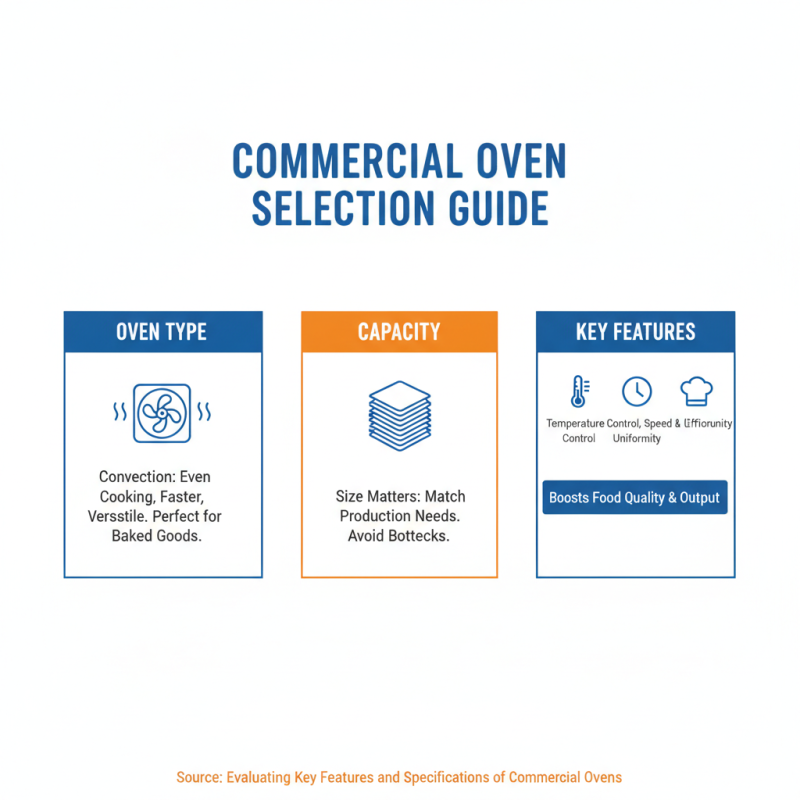
When selecting a commercial oven, it’s crucial to focus on essential features and specifications. The type of oven affects cooking methods, speed, and flexibility. For example, a convection oven circulates hot air, ensuring even cooking. This can significantly enhance the quality of baked goods. Consider the oven's capacity too. An oven that is too small can limit production, especially during peak hours.
Temperature control is another key aspect. Precise temperature settings enhance cooking consistency. Look for ovens with digital controls, allowing for easy monitoring. Additionally, energy efficiency matters. An energy-efficient oven reduces operational costs in the long run. Features like insulation and heat recovery systems can contribute to better energy use.
Cleaning and maintenance should not be overlooked. Easier cleaning mechanisms can save time during busy shifts. However, some ovens require more upkeep than others. Assessing durability is essential as well. An oven may perform well, but frequent repairs can burden your budget. Make informed choices by weighing these features carefully. Reflecting on your business needs will guide you to a suitable oven choice.
Comparing Pricing and Budget Considerations for Commercial Ovens
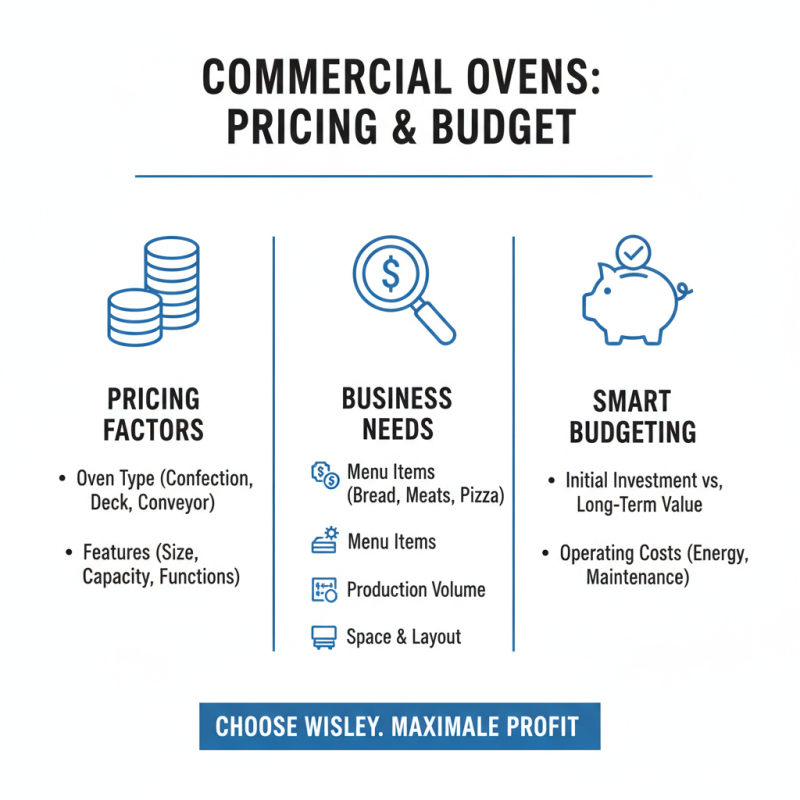
When choosing commercial ovens, pricing is a crucial factor. Prices can vary widely based on the oven type and features. Consider your business size and menu items. Are you baking bread, roasting meats, or cooking pizzas? Each requires different oven capabilities. Budgeting wisely is essential.
The initial purchase price is just one aspect. Look at operating costs too. Energy efficiency can save money in the long run. Gas ovens may have different maintenance costs compared to electric models. Factor in repair expenses, warranties, and replacement parts. These can add up quickly.
Additionally, consider the lifespan of the ovens. Cheaper options may not last as long, leading to more frequent replacements. Evaluate your budget against these long-term costs. It’s a balancing act that requires careful thought. Investing more initially could mean saving in the future. Reflect on your specific needs and growth plans for a better decision.
Assessing Maintenance and Support Options for Long-Term Use
When selecting commercial ovens, maintenance and support are critical for long-term success. A well-maintained oven enhances efficiency and longevity. Regular upkeep can prevent costly breakdowns. Establish a routine for checking the oven's components and functionality.
Tips: Engage your staff in routine checks. They can quickly report issues before they escalate. Schedule regular professional servicing. This ensures all parts are working optimally.
Consider the support options offered by your supplier. Some manufacturers provide extensive service plans. Knowing what’s included can save you money. Look for warranties that cover parts and labor. Understand the availability of spare parts. If a part breaks, can you replace it easily?
Tips: Research the manufacturer’s reputation for support. Online reviews can reveal a lot about their customer service. Choose an oven that has a support network in your area. This makes accessing help simpler and quicker.
How to Choose the Right Commercial Ovens for Your Business Needs?
| Oven Type |
Ideal For |
Maintenance Requirements |
Support Options |
Average Cost |
| Convection Oven |
Bakeries, restaurants |
Regular cleaning and periodic filter replacement |
Online and phone support; service contracts available |
$1,500 - $5,000 |
| Deck Oven |
Pizzerias, bakeries |
Daily cleaning and water quality checks |
In-person service; routine maintenance plans |
$3,000 - $12,000 |
| Combi Oven |
Hotels, catering services |
Complex maintenance, regular descaling |
Dedicated technician support; long-term contracts |
$5,000 - $25,000 |
| Rotating Oven |
Large-scale bakeries |
Monthly maintenance, cleaning of rotating components |
Manufacturer warranty; 24/7 hotline |
$10,000 - $40,000 |
| Microwave Oven |
Cafes, small restaurants |
Simple cleaning, check for functionality |
Basic customer service; warranty coverage |
$200 - $1,200 |