How to Choose the Right Bakery Deck Ovens in 2026?
Choosing the right bakery deck ovens in 2026 can feel overwhelming. With various options available, each oven has unique features. The right choice impacts not just baking quality, but also efficiency and costs.
Consider the space available in your bakery. A compact oven may fit better in small areas. However, larger models offer more baking capacity, crucial for high-volume production. Pay attention to energy efficiency, too. It can significantly reduce operating costs over time.
Look for ovens that can maintain consistent temperatures. Inconsistent heat affects the quality of bread and pastries. Reflect on your specific baking needs: are you making artisan breads or soft rolls? Each requires different settings. Finding the perfect balance is not easy, but it's worth the effort.
Understanding Your Bakery Production Needs for 2026
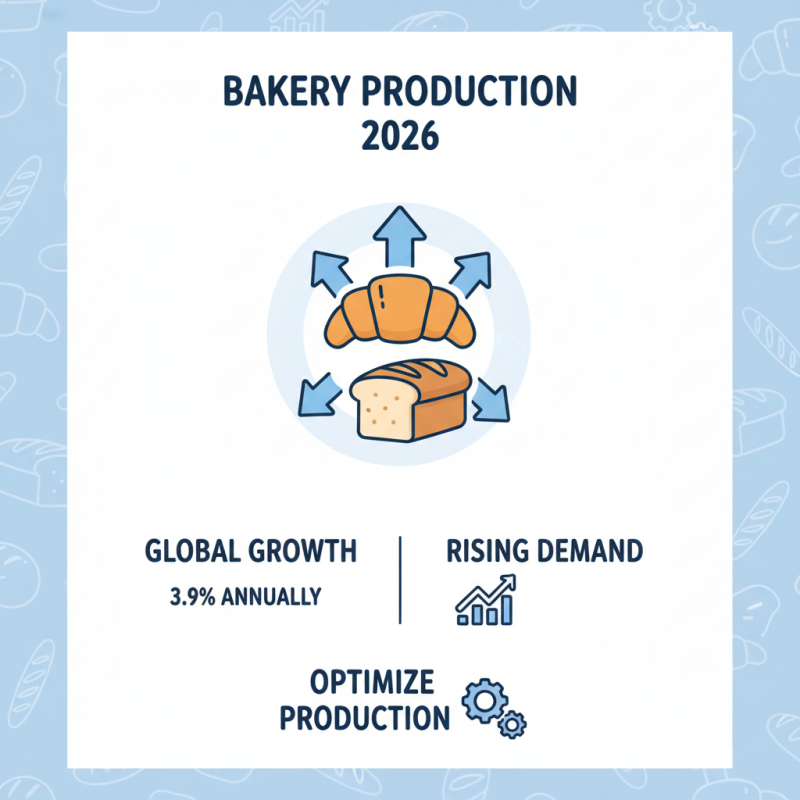
Understanding your bakery production needs in 2026 is crucial. The demand for baked goods continues to rise. According to a recent industry study, the global bakery market is projected to grow by 3.9% annually. This growth means bakeries must adapt and optimize their production processes.
When selecting a bakery deck oven, consider your specific needs. Evaluate your production volumes, types of baked goods, and baking methods. Specialty items may require different temperature settings and humidity levels. It's essential to analyze your current workflow too. Are there any bottlenecks?
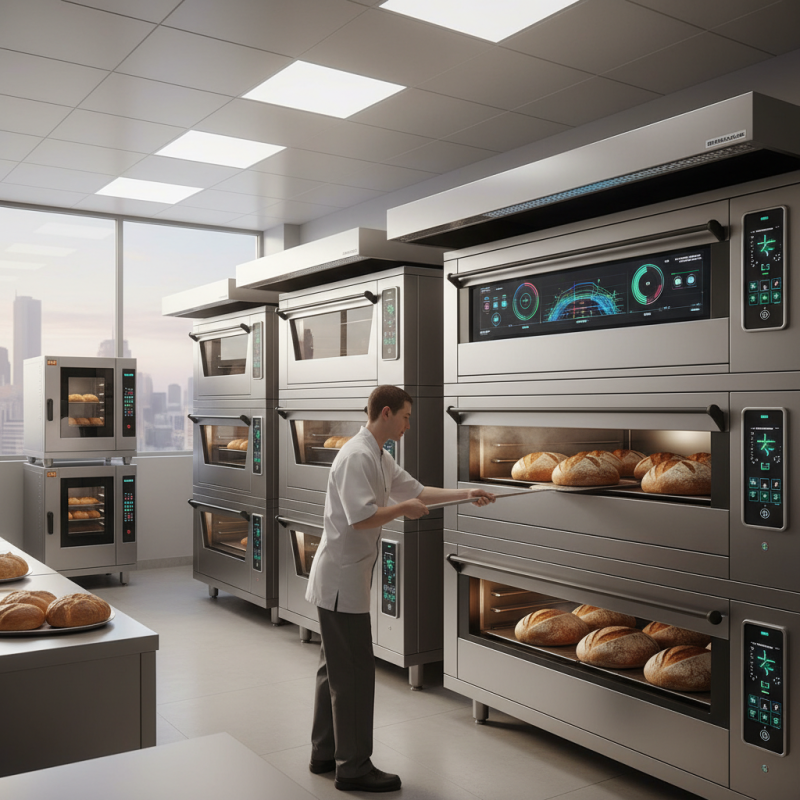
**Tip:** Invest in ovens with digital controls. They help maintain consistent quality. Remember that versatility is key. Some ovens accommodate various baking styles, which can enhance your product range.
Don’t overlook energy efficiency. With rising utility costs, choosing energy-efficient models can save money long-term. However, ensure these models meet your output requirements. Sometimes, what seems cost-effective may not yield desired results.
**Tip:** Regularly assess your production needs. The market changes often, and so should your equipment. Engaging with staff can provide insights into inefficiencies. Listen to their feedback for better decisions.
Evaluating Different Types of Bakery Deck Ovens Available
When choosing a bakery deck oven in 2026, understanding the various types available is crucial. The market is diverse, encompassing electric, gas, and wood-fired ovens. Each type influences baking results differently. For instance, electric ovens provide consistent temperatures and are often easier to manage. In contrast, gas models offer rapid heating, which is preferred by many professional bakers.
According to a recent industry report, the demand for gas bakery ovens has risen by 25% over the last five years. This trend highlights a shift toward efficiency and speed in baking processes. Meanwhile, wood-fired ovens are revered for imparting unique flavors to baked goods. However, they require more skill to operate effectively. This can pose a challenge for some artisans who may not have had extensive training in traditional baking methods.
Understanding the nuances between these oven types is vital. Many bakers find themselves struggling with the balance between quality and efficiency. Some may invest in high-end models only to discover they lack the necessary skills to maximize their potential. Others may opt for budget-friendly options but realize too late that they compromise on baking quality. Each choice has its strengths and weaknesses, demanding reflection on what truly suits your baking style and business needs.
Essential Features to Look for in Deck Ovens
When selecting a bakery deck oven in 2026, focus on essential features that enhance efficiency and quality. Heat distribution is key. Even heating ensures consistent baking results. According to industry studies, ovens with superior insulation can improve energy efficiency by 20%. This not only reduces costs but maintains optimal baking temperatures.
Consider the oven's baking capacity as well. Many bakeries often exceed their output goals. An oven that accommodates larger batches can save time. A report from the Bakery Equipment Manufacturers Association indicates that modular designs are becoming popular. These allow bakers to expand their baking capacity as demand grows. Flexibility in size can change production dynamics significantly.
User-friendly controls are another vital feature. Digital interfaces allow precise temperature settings. However, some bakers may struggle initially with complex systems. Training staff on new technology can be challenging. Pay attention to maintenance requirements, too. Regular cleaning can extend the oven's lifespan, but neglect can lead to costly repairs. Balancing efficiency with ease of use is crucial for bakery operations.
How to Choose the Right Bakery Deck Ovens in 2026?
This chart illustrates essential features to consider when selecting bakery deck ovens in 2026. The features include Temperature Control, Energy Efficiency, Baking Capacity, and Durability, with ratings based on industry standards.
Comparing Energy Efficiency and Operating Costs
When selecting bakery deck ovens in 2026, energy efficiency and operating costs are crucial factors to consider. Reports indicate that energy costs account for approximately 30% of a bakery's overall expenses. With rising utility rates, choosing an efficient oven can lead to significant savings. Many ovens now feature improved insulation and advanced heating elements that reduce energy consumption by 20-25%.
Operating costs can also be influenced by the oven's capacity and throughput. Larger bakeries often benefit from high-capacity ovens, which can decrease energy usage per unit of product. However, smaller operations may find that the initial investment in such equipment isn't justified. They need to reflect on their actual production needs. Realistically, deciding on the right size can be challenging. Overestimating capacity can lead to wasted energy and costs.
Maintenance plays a vital role, too. Regular upkeep is essential to ensure optimal operation. Neglecting maintenance can lead to efficiency drops, increasing energy bills. It's important to assess if the oven's design facilitates easy cleaning and servicing. Balancing upfront investment with long-term savings requires careful consideration of all these factors.
Making the Right Investment: Budgeting for Your Bakery Oven
When budgeting for bakery deck ovens in 2026, the focus should be on balancing quality and cost. Industry reports show that bakeries plan to invest an average of $15,000-$25,000 on new ovens. Understanding this investment is crucial. Every dollar spent can impact your product quality and operational efficiency.
Tips: Always evaluate the oven’s energy efficiency. Energy costs can significantly affect overall expenses. A more efficient oven can save you money long-term.
Consider your baking needs. If you produce artisanal bread, a deck oven is essential. However, for high-volume pastries, a convection oven may be better. Each type has differing costs. Researching these options can guide your decision.
It’s also worth noting that many businesses underestimate installation costs. Proper installation is critical for safety and performance. Failing to account for this can lead to unexpected financial strain. Review your budget regularly and adjust based on changing market conditions.