How to Choose the Best Pizza Stoves for Your Home Cooking?
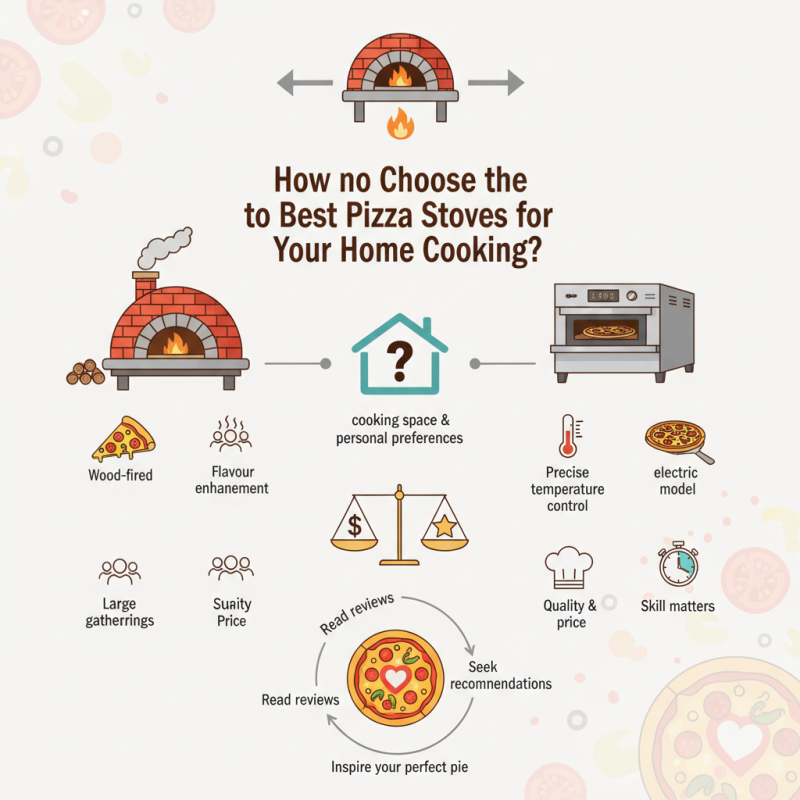
Choosing the right pizza stoves can transform your cooking experience. A pizza stove isn't just an appliance; it’s a gateway to delicious homemade pizzas. The variety available can feel overwhelming. Should you opt for a traditional wood-fired oven or a modern electric model? Each type has its own strengths.
Think about your cooking space and personal preferences. A compact oven may suit small kitchens, while larger ones can accommodate gatherings. The temperature control of the pizza stove is crucial. It determines the crispiness of your crust and the quality of your toppings. Sometimes, even the best stoves can produce disappointing results. Practice makes perfect.
Quality and price vary widely. Investing in a good pizza stove can enhance flavor but won’t guarantee success without your skill. Read reviews and seek recommendations from fellow food lovers. In the end, the ideal pizza stove should inspire you to create your perfect pie.
Factors to Consider When Choosing a Pizza Stove for Home Use
When selecting a pizza stove for home use, several factors come into play. The size and type of the stove are critical. A conventional oven can reach around 500°F, but a dedicated pizza oven can soar to 800°F or higher. This high temperature is essential for achieving that authentic, crispy crust. According to the Specialty Food Association, over 60% of home cooks prefer stoves that can mimic traditional wood-fired ovens, highlighting the demand for high-performance models.
Another key factor is fuel type. Gas and electric options exist, but wood or pellet-burning ovens bring unique flavors to the cooking process. Some cooks report that wood-fired stoves deliver a more authentic taste. However, they require more maintenance and attention. The material also influences heat retention and distribution. Fire bricks are often favored for their durability and ability to hold heat, which ensures even cooking.
Tips: Consider how often you’ll use the stove. If it’s for occasional gatherings, a smaller model may suffice. Safety is also paramount; look for features like heat-resistant materials or automatic shut-offs. Reflect on your cooking style—are you an adventurous chef or a casual pizza maker? Understanding your preference can guide your choice. Make a list of priorities and visit showrooms to see different models in person.
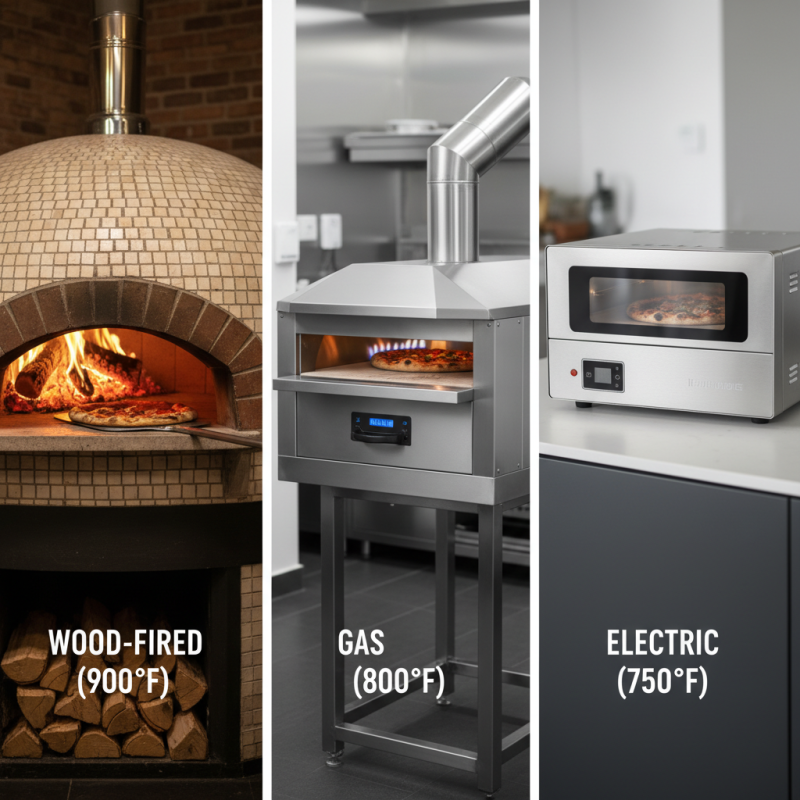
Types of Pizza Stoves: Wood-Fired, Gas, and Electric Options
When selecting a pizza stove, consider the three primary types: wood-fired, gas, and electric. Each type has unique qualities that cater to different cooking styles and preferences. Wood-fired stoves offer an authentic flavor, often found in traditional pizzerias. They can reach high temperatures quickly, sometimes up to 900°F. This characteristic creates a delightful crispness in the crust. However, managing the fire requires skill.
Gas stoves are convenient and quicker to set up than wood-fired options. They provide consistent heat control, making them ideal for beginners. According to recent industry reports, gas pizza ovens account for around 30% of home pizza cooking appliances sold in North America. They can reach temperatures of 500°F to 700°F, which is sufficient for most home users. But, the potential lack of that smoky flavor brings some disappointment.
Electric options present an easy-to-use solution for those with limited outdoor space. They are less demanding and require minimal effort. Most electric stoves can achieve cooking temperatures of around 450°F. Yet, many users find that the taste does not match the charm of traditional cooking methods. The choice ultimately reflects personal priorities—do you value flavor over convenience, or vice versa?
Important Features to Look for in a Home Pizza Stove
When selecting a home pizza stove, consider several important features that can enhance your cooking experience.
First, heat retention is crucial. Look for stoves made of materials that hold heat well. Traditional stone or brick can give you that authentic pizza crust.
The temperature range is also significant. A good stove should reach temperatures of 700°F or higher. This is essential for achieving a perfect Neapolitan-style pizza.
Another feature to ponder is the size of the cooking area. Make sure it fits your space. Some stoves are portable, while others are built for outdoor use.
It’s beneficial to think about versatility too. Can you cook other dishes? Some ovens allow baking bread or roasting vegetables. This flexibility can make your investment more worthwhile.
Don’t overlook the ease of cleaning. Pizza making can be messy. A stove with removable parts can save you time.
Consider insulation as well. Poor insulation can lead to heat loss, affecting cooking quality. Reflecting on these aspects will guide you to the right choice for your home kitchen.
Size and Space Requirements for Your Pizza Cooking Setup
When considering the right pizza stove for your home, size and space are critical factors. According to the National Association of Home Builders, the average kitchen size in the U.S. is 161 square feet. If you want a pizza stove, ensure it fits comfortably without overcrowding your kitchen. A compact stove might be ideal for smaller spaces, while larger models can be more suitable for expansive kitchens.
Moreover, the height of the stove matters. Most pizza stoves are designed to be 30 inches tall, but if you have limited counter space, you may face challenges. Not every model provides easy access for cooking and cleaning. Carefully consider your workflow in the kitchen, as a poorly placed stove can complicate your cooking experience. Local building codes may also impose restrictions on venting.
Many homeowners overlook ventilation requirements, which can lead to issues. A 2019 report from the Kitchen and Bath Association indicated that more than 25% of respondents regret not investing in proper ventilation. This choice can impact air quality significantly. Ensure your selection accommodates the necessary space, so your cooking setup remains safe and effective.
Best Pizza Stove Size Comparison for Home Cooking
Budgeting for Your Ideal Home Pizza Stove: Cost vs. Functionality
When considering a pizza stove for home cooking, the budget is key. You want a model that fits your wallet but still delivers delicious results. Prices can vary widely, so it's important to narrow down your options early. A basic propane pizza stove may cost less, while more elaborate wood-fired models often come with a higher price tag. Think about how much you are willing to spend.
Functionality matters just as much as cost. Consider what type of pizza you want to make. Do you prefer traditional Neapolitan style, or maybe a thicker crust? Some stoves heat quickly, while others require longer preheating times. These factors can affect your cooking experience. Research features like heat retention and temperature control. They can make a difference in the final product.
Don’t forget about the space in your kitchen or outdoor area. A larger stove may not fit, and that’s worth reflection. It's easy to get caught up in flashy designs. Yet, practicality should take precedence. Think about longevity and future cooking needs. In the end, it’s about finding a balance between budget and functionality for perfect homemade pizza.
How to Choose the Best Pizza Stoves for Your Home Cooking?
| Features |
Gas Oven |
Electric Oven |
Wood-Fired Oven |
| Initial Cost |
$500 - $1500 |
$300 - $1000 |
$2000 - $5000 |
| Cooking Time |
10 - 15 mins |
15 - 25 mins |
90 seconds - 5 mins |
| Flavor Quality |
Good |
Fair |
Excellent |
| Maintenance |
Medium |
Low |
High |
| Portability |
Medium |
High |
Low |