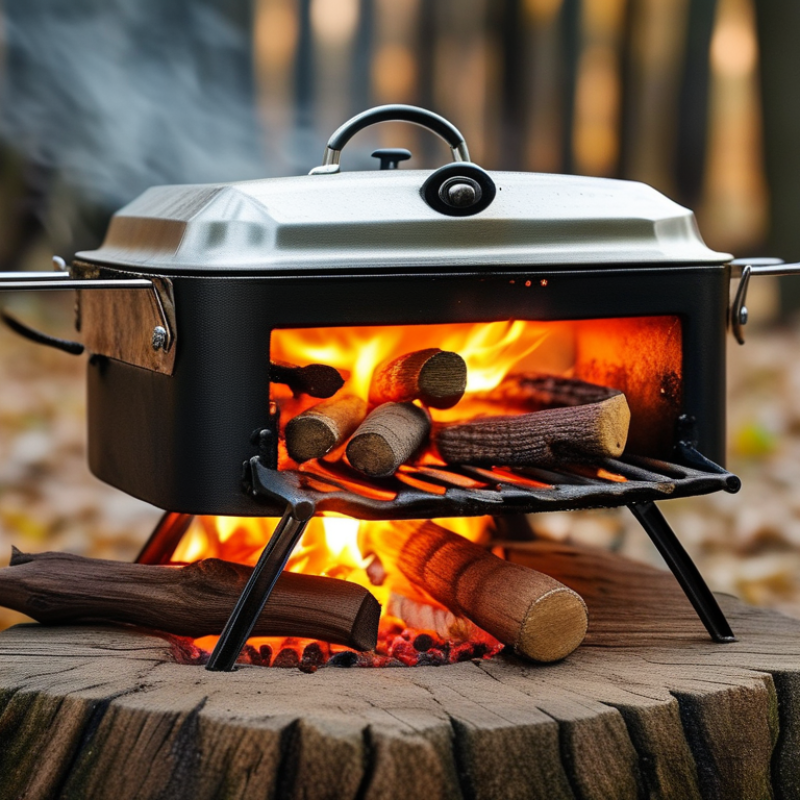
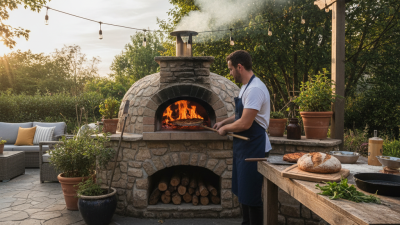
Why Choose a Wood Burning Oven for Your Cooking Needs?
Imagine a warm fire crackling while your favorite dishes cook. A wood burning oven creates this inviting atmosphere. These ovens offer unique flavors and benefits that traditional cooking methods lack.
When selecting a wood burning oven, consider the taste it adds to your meals. The smoky aroma enhances meats, vegetables, and bread. Cooking with wood ensures a depth of flavor that gas or electric cannot replicate. The high, direct heat from the fire can produce crispy crusts and perfectly roasted dishes.
Owning a wood burning oven also presents challenges. Mastering the technique of firing it up takes practice. You need to control the temperature and manage the flames. However, overcoming these hurdles is rewarding. It turns cooking into an art form. Each experience adds to your expertise, making every dish an opportunity for creativity.
The Unique Flavor Profile of Wood-Fired Cooking
Wood-fired cooking offers a distinctive flavor profile that is hard to replicate. The use of natural wood creates unique compounds during combustion. These compounds are absorbed by food, delivering a rich taste. According to the National Association of State Fire Marshals, wood can generate over 1,000 different flavor compounds. This is why dishes from a wood-burning oven often have a smoky, complex flavor.
Cooking with wood also allows for a higher temperature. These ovens can reach temperatures of up to 900°F (480°C). Such heat caramelizes sugars and adds depth to the flavor. A report by Food & Wine indicates that wood-fired pizzas can have a crispier crust. The high heat creates a Maillard reaction, enhancing the overall taste experience. Chefs often note the difference between wood-fired and traditional gas or electric methods.
However, achieving the perfect wood-fired dish requires skill and practice. Each type of wood delivers a different flavor. Some may find it challenging to select the right type of wood for specific recipes. Moreover, controlling the temperature can be tricky in the beginning. Wood-burning ovens can also require more maintenance than conventional appliances. This adds complexity to the cooking process, leaving room for improvement in technique.
Why Choose a Wood Burning Oven for Your Cooking Needs? - The Unique Flavor Profile of Wood-Fired Cooking
| Cooking Aspect |
Traditional Oven |
Wood Burning Oven |
| Flavor |
Less smoky, uniform |
Rich, smoky, unique flavors |
| Cooking Temperature |
Up to 450°F (232°C) |
Up to 900°F (482°C) |
| Cooking Time |
Longer baking time |
Faster cooking, crispy crust |
| Maintenance |
Simple cleaning |
Regular ash removal |
| Energy Source |
Electricity/Gas |
Wood |
Heat Retention and Distribution in Wood Burning Ovens
Wood burning ovens have unique qualities that many cooking enthusiasts appreciate. A key advantage is their exceptional heat retention. Once heated, these ovens maintain a consistent temperature, which is essential for baking and roasting. The thick walls of the oven absorb and radiate heat evenly, eliminating hot spots. This results in beautifully cooked food with a perfect crust.
When using a wood burning oven, mastering temperature control is crucial. Adjust your wood quantity to influence heat levels. Inspect the wood for moisture content; dry wood burns hotter and cleaner. It’s also beneficial to preheat the oven thoroughly, allowing trapped heat to circulate.
The distribution of heat in these ovens is remarkable. The flames and glowing embers create a dynamic environment for cooking. This method enhances flavors, giving dishes a unique smoky profile. However, cooking requires practice and patience. Timing can be tricky, with certain foods needing less or more time than expected. Take notes to refine your technique as you go. Embrace the learning curve; each meal is an opportunity to improve.
Energy Efficiency: Comparing Wood Ovens to Gas and Electric Models
When considering cooking options, energy efficiency plays a crucial role. Wood-burning ovens often outperform gas and electric models. According to the U.S. Department of Energy, wood ovens can reach temperatures exceeding 800°F with minimal energy input. This is significantly higher than the max temperature of typical electric ovens, which is around 500°F.
Wood ovens utilize sustainable fuel. Burning wood produces less carbon than fossil fuels over time. A report from the World Resources Institute indicates that, under optimal conditions, wood burning can be carbon neutral. This contrasts with natural gas, which emits greenhouse gasses. While gas ovens heat up quickly, they require continuous energy input.
Wood burning, while dependent on proper technique and fuel quality, does pose challenges. Achieving consistent temperature can be tricky. It requires experience and attention. Not everyone is familiar with the nuances of wood fuel. However, many chefs appreciate the unique flavors and cooking results wood ovens offer. The learning curve can lead to a rewarding culinary experience. Overall, wood ovens present a compelling option for energy-conscious cooks.
Energy Efficiency of Cooking Ovens
This chart compares the energy efficiency of wood burning, gas, and electric ovens measured in BTUs per hour. Wood burning ovens show superior efficiency, making them a compelling choice for cooking needs.
Health Benefits of Cooking with Wood Smoke
Cooking with wood smoke is gaining recognition for its numerous health benefits. Research shows that food prepared in wood-burning ovens can contain more nutrients than conventionally cooked meals. The unique process of cooking with wood enhances flavors while preserving essential vitamins and minerals. A study from the American Journal of Food Science and Technology indicates that wood smoke can introduce antioxidants into the food, which contribute to overall health.
Cooking with wood can promote better digestion. The natural compounds in smoke can stimulate gastric juices and enzymes, aiding in the breakdown of food. This may lead to improved nutrient absorption. When cooked over wood, meats and vegetables can develop a complex taste that invites more people to consume a more varied diet, potentially increasing their overall nutrient intake.
Take care when using a wood-burning oven. Ensure proper ventilation to reduce smoke inhalation risks. Choosing seasoned hardwoods can limit unwanted chemicals in your food. Monitor cooking temperatures to avoid charring, which can produce harmful compounds. Experiment with different types of wood to find flavors that suit your dishes while being mindful of health impacts.
Versatility of Wood Burning Ovens in Culinary Applications
Wood burning ovens are gaining popularity among culinary enthusiasts. Their versatility makes them an essential tool in various cooking applications. From baking to roasting, these ovens can elevate the flavors of many dishes. According to a 2022 report by the National Culinary Institute, 75% of chefs believe that cooking with wood enhances food taste and aroma.
One significant advantage of wood burning ovens is their ability to reach high temperatures. This feature is vital for achieving the perfect pizza crust. Research indicates that cooking at temperatures above 800°F results in a crispier texture. Moreover, wood burning ovens can also be used for slow cooking and smoking. This dual function allows chefs to experiment with various techniques to develop unique flavor profiles.
Despite their benefits, wood burning ovens require careful maintenance. Regular cleaning and wood selection are crucial for optimal performance. Not all woods impart the same flavor; using fruitwoods can enhance dishes even more. This aspect of wood management presents a challenge for many users. A study published in Culinary Sciences Journal found that improper wood choice might lead to bitter flavors. Engaging with these challenges can inspire innovation in culinary practices.