China Top Polyprop Bags Supplier for Global Buyers?
China Top Polyprop Bags Supplier for Global Buyers?
Finding a dependable Polyprop Bags supplier in China requires more than comparing website prices. Global buyers must examine material quality, production consistency, communication, and export experience. Polypropylene bags may look similar on a screen, yet their strength can differ greatly. A filled bag should hold its shape during stacking, lifting, and long-distance transport. Small details matter, including fabric density, stitching, valve design, lamination, and printing clarity.
This guide explores how experienced buyers can evaluate China-based manufacturers with greater confidence. It considers factory capability, sample testing, quality control records, packaging methods, and practical lead times. Reliable suppliers should explain their processes clearly and provide usable specifications, not vague promises. They should also support reasonable compliance documentation for the destination market. Ask for test reports.
Production visits, third-party inspections, and trial orders can reveal issues that polished sales materials hide. A supplier may offer excellent prices but struggle with color consistency or delivery planning. Another may communicate well but lack modern weaving equipment. No supplier is perfect. Even experienced purchasing teams can overlook moisture exposure, weak seams, or unclear tolerance standards. That is why this introduction focuses on evidence rather than attractive claims. It aims to help importers compare suppliers carefully, reduce avoidable risks, and choose Polyprop Bags that perform reliably in real working conditions.
What Makes China a Leading Polypropylene Bag Supplier
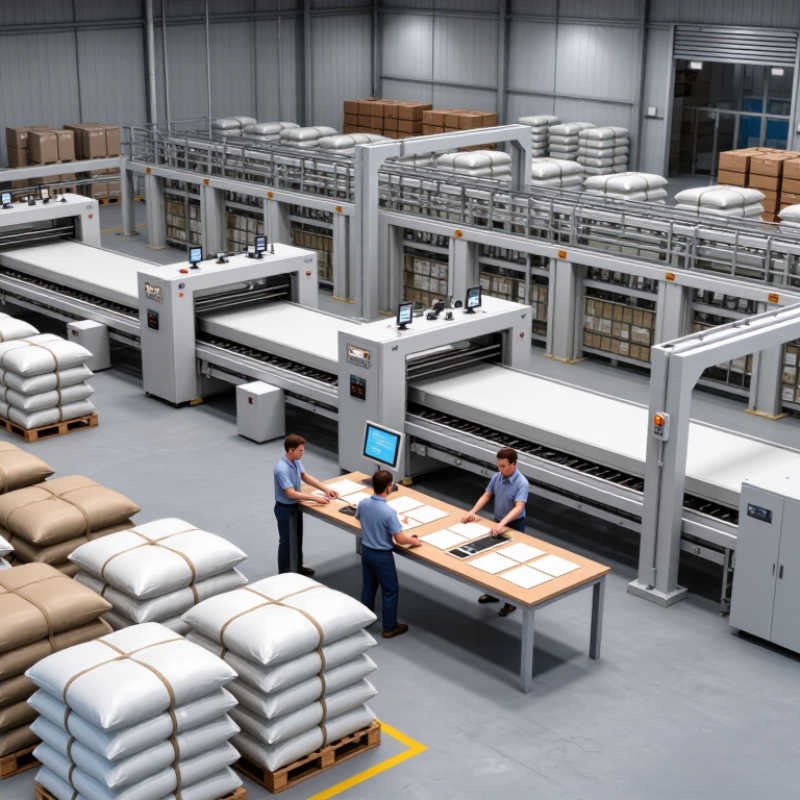
China has become a major polypropylene bag supplier because it has a broad industrial network. Resin producers, weaving equipment makers, printing units, and stitching workshops often operate nearby. This arrangement shortens purchasing cycles and improves production flexibility. Buyers can request laminated sacks, valve bags, or woven bags with custom dimensions. Color, handle design, and inner lining can also be adjusted. Small details matter.
Manufacturing experience is visible on the factory floor. Skilled teams check fabric density, seam strength, coating coverage, and bag weight during production. Many factories use digital scales and tensile testing equipment. A professional supplier should provide pre-production samples, material specifications, and inspection records. Clear communication prevents misunderstandings about pallet height, moisture protection, and loading quantities. Export teams also understand container planning and port documentation. These practical skills support smoother international orders.
However, China is not a single quality market. Factories differ greatly. Some suppliers focus on low prices and reduce fabric weight without clear notice. I have found that sample approval alone is not enough. Batch inspections remain important. Buyers should examine factory capacity, worker practices, corrective actions, and after-sales responses before placing large orders. The best supplier is not always the cheapest. Sometimes, the first quotation hides the real cost.
Why China Is a Leading Polypropylene Bag Supplier
China’s export value for plastic sacks and bags classified under HS 630533 remained above USD 1.8 billion annually from 2019 to 2023, with a strong increase in 2021. This reflects China’s large manufacturing base, integrated polypropylene supply chain, mature conversion capacity, and established export logistics.
Data source: UN Comtrade, HS 630533 — Sacks and bags, of a kind used for the packing of goods, of polyethylene or polypropylene. Values are rounded estimates in USD billions.
Key Types and Applications of Polypropylene Bags
Polypropylene bags serve different jobs, and selecting the wrong construction can create costly failures. Woven polypropylene sacks use flat tapes for strength, ventilation, and efficient pallet stacking. They commonly carry rice, flour, animal feed, seeds, and mineral powders. Laminated versions add a moisture barrier, while valve bags support faster, cleaner filling on automated lines. FIBCs, often called bulk bags, can hold hundreds of kilograms when properly rated.
Grand View Research estimates the global polypropylene woven bags market will expand steadily through 2030, supported by agriculture, construction, and food packaging demand. The report highlights durability and low material weight as major growth factors. Smithers also projects continued growth in flexible packaging, with cost control and transport efficiency influencing purchasing decisions. These figures support polypropylene’s commercial value, but they do not replace product testing.
In practical sourcing, buyers should check fabric denier, bag dimensions, seam strength, coating thickness, and safe working load. A 50-kilogram grain bag needs different airflow and drop resistance from a cement sack. Food-contact applications require documented material compliance, migration testing, and clean production controls. Moisture-sensitive powders may need an inner liner or stronger lamination. Printing quality matters too; blurred handling marks can cause warehouse mistakes. Some specifications look impressive on paper. They still need real drop, compression, and filling trials. That part is often underestimated.
How Chinese Suppliers Manufacture and Customize Polypropylene Bags
Chinese suppliers manufacture polypropylene bags through a controlled woven process. Polypropylene resin is melted, extruded into flat tapes, and stretched for strength. Circular looms then weave these tapes into fabric tubes. The fabric is cut, stitched, coated, or laminated according to the buyer’s use. Custom options include dimensions, GSM, colors, printing, liners, handles, valves, and moisture barriers. Production teams commonly inspect tape width, fabric density, seam strength, and print alignment. Small errors still happen, especially when artwork changes late.
Demand remains substantial. Grand View Research valued the global polypropylene market at about USD 126 billion in 2023 and expects continued growth through 2030. PlasticsEurope reported global plastics production of 413.8 million tonnes in 2023. These figures support polypropylene’s industrial importance, but they do not guarantee every bag supplier is reliable. Buyers should request current test records, material declarations, factory samples, and batch traceability. Sustainability claims also need careful review. A recyclable design may still be unsuitable when coatings, inks, or mixed materials complicate recovery.
Tips:
Confirm the bag’s filled weight, stacking period, and storage conditions before approving samples. Ask for a signed specification sheet. Check one production batch, not only a polished showroom sample. Cost remains important, but reducing fabric thickness too aggressively can create weak seams, leakage, and higher replacement costs. That trade-off is often underestimated.
Quality Standards, Certifications, and Export Capabilities
China Top Polypropylene Bags Supplier for Global Buyers?
Quality Standards, Certifications, and Export Capabilities
Reliable polypropylene bag sourcing begins with measurable controls, not attractive samples. Experienced suppliers should document resin grades, fabric weight, stitching strength, and dimensional tolerance. Factory teams can verify these details through incoming-material checks and production inspections. Small differences matter.
Look for a current ISO 9001 certificate with a matching factory scope. Environmental systems may follow ISO 14001. Bags for food or agricultural contact require suitable regulatory testing for the destination market. A certificate alone is not enough. Its validity, testing laboratory, and product coverage need careful review. I have seen acceptable samples fail when printed ink, handles, or liners were changed later.
Export capability also shows operational maturity. A dependable supplier should provide batch records, inspection reports, packing lists, commercial invoices, and clear shipping terms. Container loading should protect bags from moisture, crushing, and contamination. Photos of pallet arrangement help, but they cannot replace independent inspection. Traceable lot numbers make complaints easier to investigate. This is often overlooked.
Customs preparation needs accuracy. Product descriptions, quantities, weights, and origin documents must agree. Suppliers serving global buyers should understand port schedules and communicate delays early. Some factories promise every certificate and destination requirement. That promise deserves testing. Ask for recent documents, sample reports, and a controlled pre-shipment inspection before placing a large order.
How Global Buyers Can Evaluate and Select a Supplier
Selecting a top polypropylene bag supplier requires more than comparing export prices. Global buyers should verify production experience, material control, and communication quality. Ask for factory photos, production capacity, and recent shipment references. A reliable supplier should explain resin grades, bag dimensions, fabric weight, and printing limits clearly.
Request physical samples before approving a large order. Check the fabric texture, seam strength, handle attachment, and actual bag measurements. Fill each sample with the intended product and test lifting, stacking, and storage conditions. Small weaknesses often appear during handling. Laboratory reports can also confirm tensile strength, moisture resistance, and material consistency. However, documents should match the current factory and product specification.
A factory visit or independent audit can reveal important details. Observe raw material storage, cutting accuracy, stitching lines, quality records, and worker training. Traceability matters when several production batches are involved. Discuss packaging, inspection points, lead times, payment terms, and corrective actions in writing. Do not accept vague promises. Yet, buyers can also make mistakes by choosing the lowest quotation too quickly. A cheaper bag may create higher repacking, damage, or replacement costs. No supplier is perfect. The stronger choice is one that reports problems early, responds with evidence, and improves after feedback. Local import rules, labeling requirements, and recycling obligations should be checked with qualified professionals before shipment.

