How to Build a Wood Oven for Perfect Homemade Pizza at Home
In recent years, the demand for homemade wood-fired pizzas has surged, driving enthusiasts to explore the art of building their own wood ovens at home. According to the National Restaurant Association, 62% of consumers are more likely to order a pizza when it’s made in a wood-fired oven, highlighting its appeal and authenticity. This method not only enhances the flavor profile of the pizza but also adds a unique rustic aesthetic to backyard gatherings.
The wood oven's ability to reach high temperatures quickly, often exceeding 800°F, enables a cooking time as short as 90 seconds, resulting in perfectly charred crusts and beautifully melted toppings. Research by the Hearth, Patio & Barbecue Association indicates that the popularity of outdoor cooking appliances, including wood ovens, has grown by over 20% in recent years, reflecting a broader consumer interest in experiential dining at home. Building a wood oven not only satisfies culinary cravings but also creates an enjoyable project that enhances outdoor living spaces, allowing pizza lovers to craft authentic dishes right from their backyards.
Choosing the Right Location for Your Wood Oven Construction
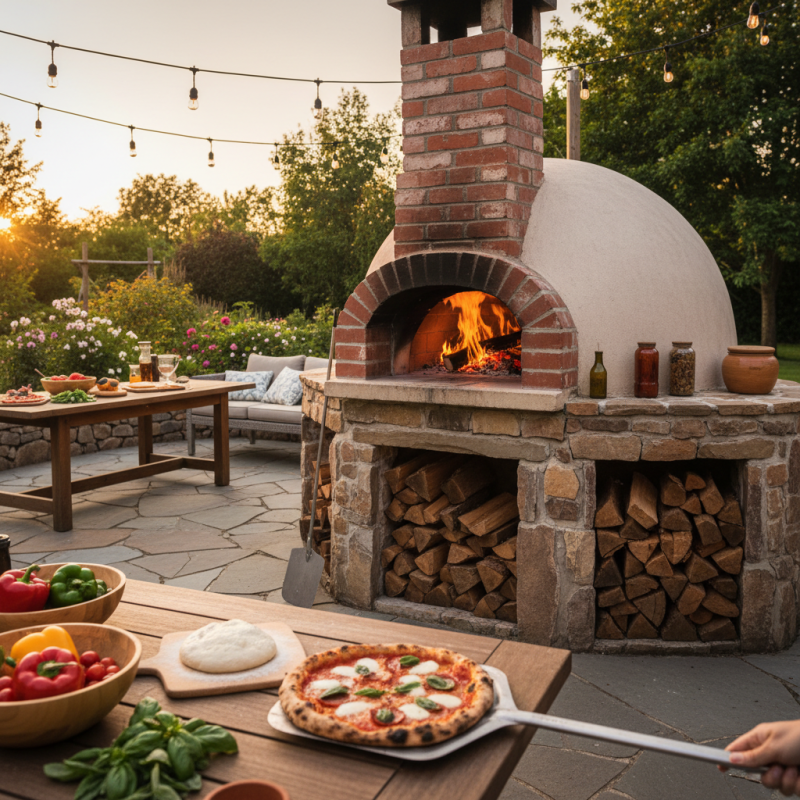
Choosing the right location for constructing a wood oven is crucial for both functionality and aesthetics. According to a report by the American Society of Landscape Architects, incorporating outdoor cooking elements can increase property value by up to 20%. When selecting a site for your wood oven, it is important to consider factors such as sunlight exposure, wind direction, and proximity to your home. Ideally, place your oven in a sunny spot where it can receive direct sunlight for most of the day, which helps with the curing process of the oven and reduces cooking times.
Another essential consideration is safety and convenience. Ensure the wood oven is located away from flammable materials and has ample space for firewood storage. The National Fire Protection Association recommends maintaining a minimum clearance of at least three feet from any structures. Additionally, consider the accessibility of your wood oven from your kitchen or dining area to facilitate easy transport of ingredients and finished pizzas. The right placement not only enhances your grilling experience but also creates a welcoming atmosphere for gatherings, turning your outdoor space into a culinary haven.
Essential Materials for Building a Durable Wood Oven
Building a durable wood oven for homemade pizza not only enhances your cooking experience but also ensures that your oven withstands the elements and provides consistent heat. To start, it’s essential to gather high-quality materials. The primary components include firebricks, which boast excellent thermal properties and can withstand high temperatures, making them ideal for the oven floor. According to the Brick Industry Association, using firebricks can significantly improve heat retention, allowing for optimal cooking conditions.
In addition to firebricks, you'll need heat-resistant insulation materials such as ceramic fiber blankets or vermiculite board. These materials effectively retain heat while minimizing energy loss, which is crucial for achieving that perfect crispy crust. Furthermore, a sturdy outer shell made from concrete or stone provides durability and aesthetic appeal. A report from the American Society of Heating, Refrigerating and Air-Conditioning Engineers highlights that properly insulated ovens maintain stable temperatures, leading to better cooking results and energy efficiency.
Tips: When selecting materials, consider sourcing items locally to reduce environmental impact and shipping costs. Additionally, take the time to properly cure your oven after construction; this process helps to eliminate moisture and avoid cracking, ensuring longevity. Taking these steps will not only improve your pizza-making skills but also contribute to a sustainable cooking practice.
Step-by-Step Guide to Assembling Your Wood Oven
Building a wood oven at home can elevate your pizza-making experience to new heights, providing you with deliciously authentic results. The first step in assembling your wood oven is to choose an appropriate location in your outdoor space. Opt for a flat, fire-resistant surface and ensure there is enough clearance for both safety and airflow. Next, gather your materials, which typically include firebricks for the base and dome, insulation materials, and a sturdy frame to support the structure.
Once you have your site ready and materials gathered, start by constructing a solid foundation. A concrete slab works well to ensure stability and fire resistance. After the foundation is set, lay firebricks in a circular pattern for the oven floor, allowing for proper heat retention. As you build the dome, create an arch shape for efficient airflow while using insulation materials to retain heat. It's crucial to leave a chimney for smoke to escape and maintain the right temperature for cooking. Following these steps will lead you to a functional wood oven that promises perfect homemade pizzas every time.
Optimal Wood Types for Fueling Your Homemade Pizza Oven
When building a wood oven for perfect homemade pizza, selecting the right type of wood for fuel is crucial to achieving optimal cooking temperatures and flavor. Hardwoods are typically the best choice; they burn hotter and longer than softwoods, making them ideal for reaching the high temperatures required to cook pizza quickly and evenly. Oak, maple, and hickory are excellent options, as they not only provide a consistent burn but also impart a subtle smoke flavor that enhances the overall taste of the pizza.
It’s important to avoid softwoods, such as pine or fir, as these can release sap and produce excessive smoke, which can ruin the flavor of your pizza and create harmful creosote buildup in your oven. Additionally, seasoned wood—wood that has been dried for at least six months—is essential for efficient burning. Well-seasoned wood ignites easily and produces higher heat, which is necessary for achieving that perfect crust. Storing your wood in a dry, well-ventilated area will help ensure it remains in optimal condition for your pizza oven. By carefully selecting and preparing your wood, you can ensure your homemade pizzas reach restaurant-quality perfection.
Optimal Wood Types for Fueling Your Homemade Pizza Oven
Maintaining Temperature Control for Perfect Pizza Baking
Maintaining temperature control is crucial for baking the perfect homemade pizza in a wood oven. According to a report from the International Association of Culinary Professionals, the ideal baking temperature for pizza ranges from 800 to 900 degrees Fahrenheit. This high temperature not only cooks the dough rapidly, producing a crispy crust, but also ensures that the toppings are adequately heated without losing their freshness. When building a wood oven, investing in high-quality insulation materials is essential to keep the heat consistent throughout the cooking process.

To achieve and maintain these temperatures, it’s vital to understand the wood burning process. Research from the Wood-Fired Oven Association indicates that the type of wood used directly influences both the heat generated and the flavor imparted to the pizza. Hardwoods such as oak and hickory burn hotter and longer, ensuring that the oven reaches the desired temperature efficiently. Additionally, using a thermocouple or infrared thermometer can provide real-time temperature readings inside the oven, allowing for adjustments to be made as needed. Regularly monitoring and managing airflow within the oven also affects temperature consistency; proper venting will help keep the fire burning steadily, thereby producing a stable heat source for optimal pizza baking.