How to Build a Wood Burning Oven at Home for Delicious Pizza?
In recent years, the popularity of the wood burning oven has soared. According to a report by the National Restaurant Association, about 30% of new restaurants feature wood-fired cooking techniques. This trend highlights a growing appreciation for authentic flavors and traditional cooking methods. Expert chef Tony Gemignani, a renowned figure in the pizza industry, once stated, “A wood burning oven is more than just a cooking tool; it’s a way to connect with culinary traditions.”
Creating a wood burning oven at home offers an exciting project. This journey demands planning, dedication, and an eye for detail. Yet, many enthusiasts struggle to achieve the perfect temperature balance. It's crucial to understand the materials and techniques involved. While some may find it daunting, the rewards in flavor are unmatched. A well-built oven transforms ordinary pizza into an extraordinary experience.
Investing time into building your own wood burning oven can yield delicious results. You may encounter obstacles along the way. From finding the right location to managing heat levels, challenges will arise. However, the joy of sharing wood-fired pizzas with family and friends makes it all worthwhile. Embrace the process, and your culinary journey is bound to enhance your skills in the kitchen.
Understanding the Basics of Wood Burning Ovens for Pizza Making
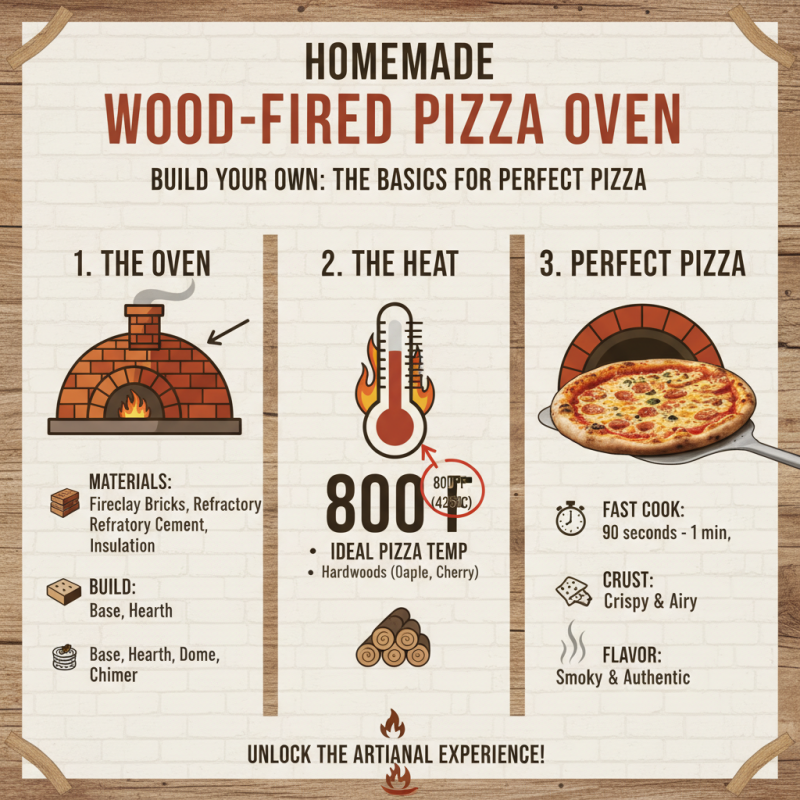
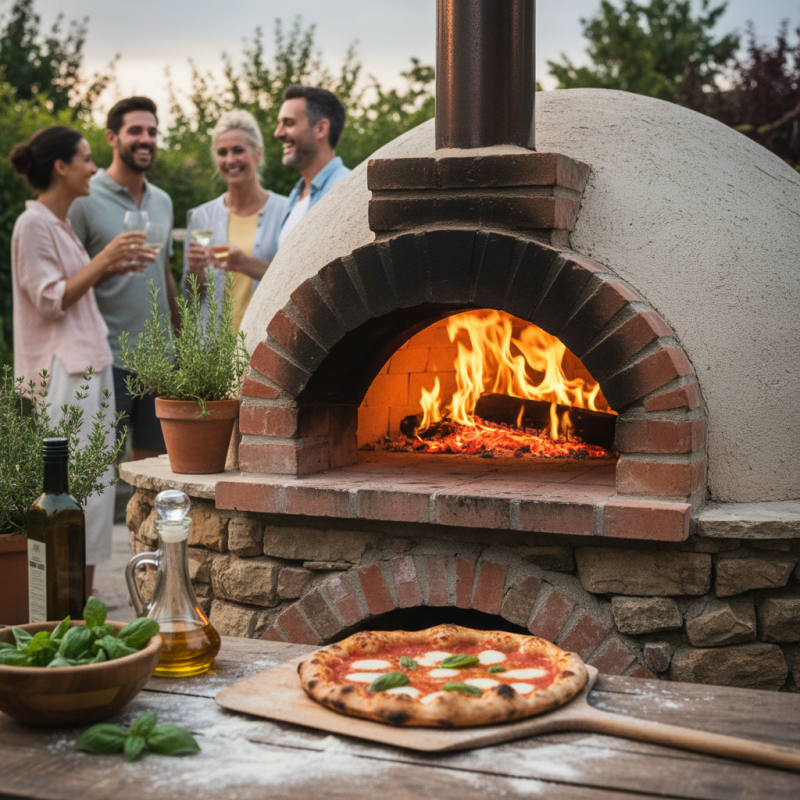
Building a wood burning oven at home can be a rewarding experience. Understanding the basics is essential for achieving perfect pizza. The oven needs to reach high temperatures, ideally around 800°F. This heat is crucial for cooking dough evenly while creating a crispy crust.
Selecting the right materials is another fundamental aspect. A heat-retentive stone or brick is recommended. Both materials hold heat and create a better cooking environment. You’ll also need a quality flue for proper ventilation. Without it, smoke can build up, affecting the taste of your pizza.
Pay close attention to the design. A well-constructed arch will help circulate heat efficiently. Make sure to leave enough space for airflow. It’s essential not to rush the building process. Mistakes can lead to poor performance. Reflecting on your work can help improve your skills over time. Building an oven is a journey, not just a project.
Choosing the Right Location and Materials for Your Oven Construction
Choosing the right location for your wood-burning oven is crucial. It should be a flat area, away from structures and trees. The minimum distance from any building is usually recommended to be at least 10 feet. Local fire regulations often dictate these guidelines. Moreover, proximity to your kitchen or dining area can enhance convenience, making the cooking experience more enjoyable.
Materials play a key role as well. Firebricks are often the preferred choice due to their heat retention and durability. According to a study by the American Institute of Architects, an oven built with quality materials can reach temperatures over 800°F, ideal for authentic pizza. Selecting a durable insulation material is also necessary. Poor insulation can lead to inefficient cooking and increased wood consumption.
Consider the weather conditions in your area. Wind can influence how well the oven retains heat. A study published in the Journal of Outdoor Cooking suggests placing the oven in a sheltered area to optimize performance. Reflect on the challenges you might face. Sourcing high-quality materials may require extra effort, but it pays off in long-term results.
How to Build a Wood Burning Oven at Home for Delicious Pizza
| Dimension |
Recommended Value |
Description |
| Oven Diameter |
36 inches |
Ideal size for cooking multiple pizzas at once. |
| Oven Height |
48 inches |
Height for proper smoke ventilation and standing comfort. |
| Insulation Thickness |
2-4 inches |
To retain heat effectively for cooking. |
| Chimney Height |
3-4 feet |
Ensure good airflow and smoke exit. |
| Foundation Material |
Concrete slab |
Strong and heat-resistant foundation. |
| Type of Wood |
Hardwood (e.g., oak, maple) |
Produces high heat and better flavor. |
| Interior Finish |
Firebrick |
Durable and good heat retention. |
| Location |
Open area with good drainage |
Prevents water pooling and provides ventilation. |
Step-by-Step Guide to Building the Oven Structure and Foundation
Building a wood-burning oven at home can be a rewarding project. The foundation and structure are critical steps. Start by selecting a suitable site in your yard. It should be level and away from flammable materials. Mark the space for your oven. This helps visualize the size and shape.
Next, dig a hole for the foundation. A depth of around 6 inches is ideal. Fill this hole with gravel for drainage. Compact the gravel to create a solid base. Consider using firebricks for the oven floor. They withstand high temperatures and distribute heat evenly.
As you construct the walls, use a mix of mortar that can withstand heat. Remember to leave an opening for the oven door. Make sure it’s large enough for easy access but small enough to retain heat. Once the structure is complete, it will need to cure for a while. Patience is key here; rushing can lead to cracks later. It’s an imperfect process, but with some trial and error, you will create a fantastic spot for making pizza.
Essential Techniques for Insulation and Heat Retention in Your Oven
When building a wood-burning oven, insulation is vital. Proper insulation keeps the heat inside, ensuring your pizza cooks evenly. Use firebricks or clay as a base layer. They can withstand high temperatures. This also helps minimize heat loss.
Applying a layer of insulation around the oven is essential. You could use ceramic fiber blanket or vermiculite. Both materials have excellent heat retention properties. However, be cautious with installation. Misalignment might create hot spots. These spots lead to uneven cooking, which is frustrating.
Finally, a well-constructed dome shape can aid in heat retention. This design decreases air flow, maintaining the oven's temperature. Ensure the entrance is also appropriately sized. Too large can let heat escape. It’s a balancing act, and sometimes the adjustments may feel overwhelming. But with patience, you can create the perfect oven for delicious pizzas.
Tips for Firing Up Your Oven and Baking the Perfect Pizza
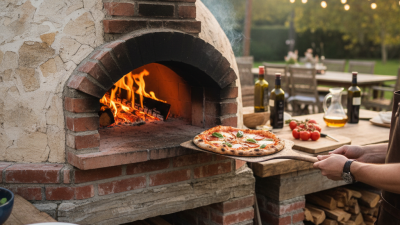
Firing up your wood-burning oven requires a bit of practice and patience. First, gather your fuel. Use dry, seasoned wood for the best results. Kindling is crucial for starting the fire. Arrange the kindling in a teepee shape. Add small logs around it. Light the kindling and watch the flames dance.
Once the fire is established, monitor the temperature. A pizza oven should reach about 700°F (370°C). You can achieve this by adding larger logs. Be careful not to smother the flames. The right temperature is essential for a perfect crust. A too-cool oven will result in soggy pizza.
After firing up the oven, let it settle. This can take around 30 minutes. The interior should glow with a nice even heat. Don’t rush this stage. If you put your pizza in too early, it could end in disappointment. While it’s tempting to load your oven, patience truly pays off. Every oven behaves slightly differently, so take notes during your baking sessions. You’ll find your sweet spot over time.