What Is the Best Type of Wood Oven for Global Buyers?

Choosing the best wood oven for global buyers is not as simple as selecting the largest model or the thickest dome. The right choice depends on cooking goals, local fuel access, climate, installation space, and after-sales support. A compact pizza oven may suit a city balcony, while a heavy masonry oven can serve a restaurant for decades. Both can perform well. Neither is perfect.

A reliable wood oven should heat evenly, retain warmth, and manage smoke without creating unnecessary operating problems. Buyers should examine insulation thickness, refractory materials, door design, chimney construction, and temperature recovery. In humid regions, moisture protection matters. In colder climates, thermal expansion deserves closer attention. Local building rules and ventilation requirements must also be confirmed before purchase. Manufacturer documentation helps, but it should not replace advice from an experienced installer.

Real-world use often reveals details that product pages miss. A baker may value steady heat retention, while a caterer may need faster heat recovery between batches. Hardwoods can produce different heat levels and cooking aromas, depending on regional availability. Fuel quality matters greatly. So does operator experience. Small mistakes can damage an oven over time.

There is no universal winner. That is the honest answer. The best type of wood oven balances performance, safety, maintenance, and total ownership cost for its intended market. This guide compares popular oven designs and practical buying factors, helping international customers make a more informed, defensible decision.
What Is the Best Type of Wood Oven for Global Buyers?

What Defines the Best Wood Oven for Different Global Buyers?

What Is the Best Type of Wood Oven for Global Buyers?

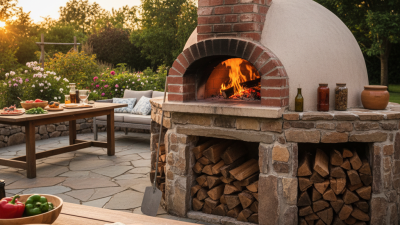
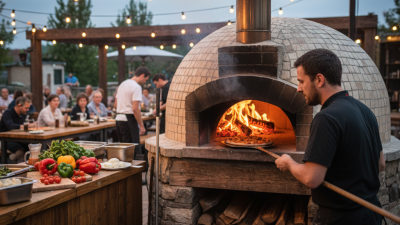
The best wood oven depends on how, where, and how often it will be used. A masonry oven holds heat for hours, making it suitable for slow roasting, bread, and repeated cooking. It needs strong foundations and careful installation. That matters in wet or freezing climates. Moisture can damage poorly sealed masonry.

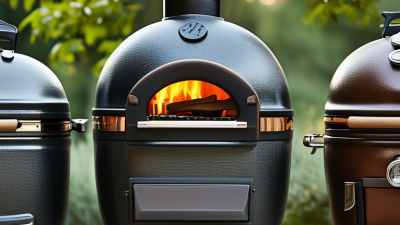
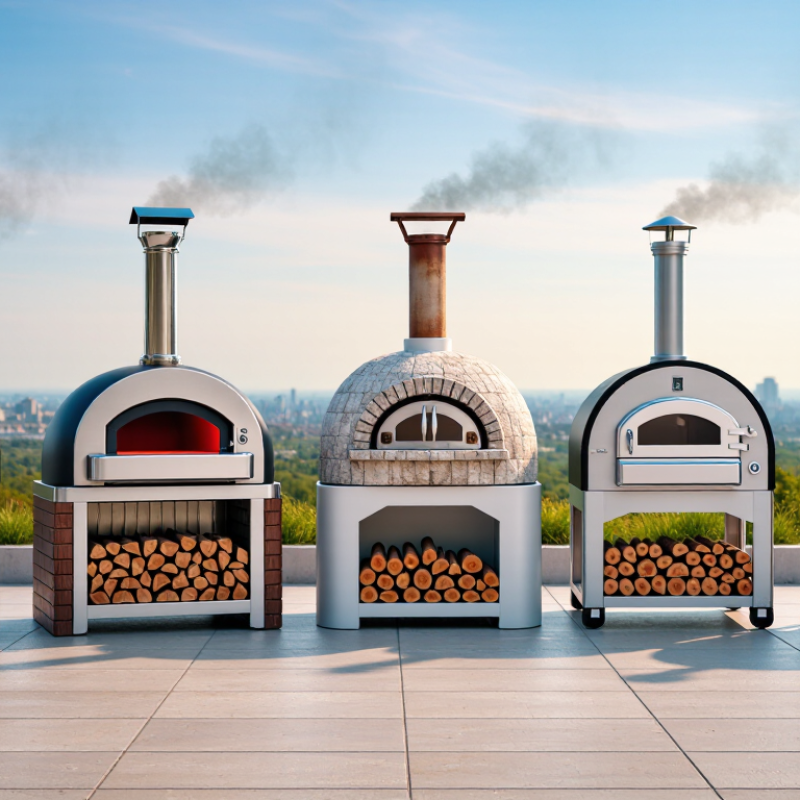
A steel oven heats faster and usually weighs less. This option suits urban homes, restaurants with limited space, and buyers who cook pizza several times weekly. However, thin steel may lose heat quickly after the fire becomes smaller. Insulation thickness is more important than a shiny exterior. Look for a well-insulated floor, tight door, and stable chimney design.

Fuel availability changes the decision. Dry hardwood is not equally accessible in every country. Buyers should confirm local wood-burning rules, ventilation requirements, and clearance distances before installation. These details are practical, not decorative. They also affect insurance and long-term safety.

I once assumed the largest oven was the best choice. It was not. A larger chamber consumed more wood and took longer to manage. For many households, a compact oven with reliable temperature control performs better. Serious buyers should request heat-retention data, material specifications, and installation guidance. Ask how the oven behaves after ninety minutes of cooking. Some sellers provide impressive peak temperatures, but real performance includes recovery time, smoke control, and easy cleaning. Even experienced cooks can overlook these points.

How Wood Oven Types Compare by Fuel, Design, and Cooking Performance

What Is the Best Type of Wood Oven for Global Buyers?

Wood ovens differ sharply in fuel control, construction, and cooking response. Traditional masonry ovens use split logs and thick thermal mass. They hold heat for hours, but warm-up can take 60–120 minutes. Portable steel ovens heat faster because their walls store less energy. Pellet-fired models offer steadier feeding and easier temperature control. However, pellets require dry storage and compatible feed systems.

Cooking performance depends on more than maximum temperature. A masonry dome produces strong radiant heat for blistered pizza edges and roasted vegetables. Steel chambers respond quickly, but heat may fall faster between batches. The U.S. EPA Burn Wise program recommends firewood below 20% moisture. Wet logs create more smoke and waste useful heat. ISO 17225-2 classifies wood pellets by moisture and ash content, helping buyers compare fuel quality across markets. These standards improve purchasing decisions, although they do not predict every oven’s flavor.

Tips: Measure the cooking floor, chimney height, and fuel space before ordering. Check local ventilation rules and repair access. A small portable oven may suit weekend use. A masonry oven fits high-volume cooking better. Still, “best” is not universal. I would question any specification sheet that ignores wind, ambient temperature, and operator skill.

Which Materials and Features Matter for International Use?

What Is the Best Type of Wood Oven for Global Buyers?

International buyers should prioritize materials that tolerate humidity, salt, heat, and repeated temperature changes. Food-grade stainless steel resists corrosion, while dense refractory concrete stores heat effectively. However, insulation quality often matters more than exterior appearance.

A practical oven inspection should check wall thickness, door sealing, floor flatness, and visible thermal cracks. Small details matter.

Grand View Research’s 2024 outdoor cooking equipment report projects market growth of about 6.1% annually through 2030. This expansion increases demand for compact, efficient, and transportable ovens. Buyers should therefore request documented heat-retention tests, not vague efficiency claims. The cooking floor should resist thermal shock and provide stable heat across its surface. Replaceable stones are useful, especially where local servicing is limited.

International use also requires safe ventilation and clear installation guidance. The World Health Organization reports that about 2.3 billion people still cook with polluting fuels or inefficient stoves. Wood ovens need controlled airflow, suitable chimneys, and low-smoke operation.

Check local building, emissions, and electrical requirements before purchase. Standards vary widely.

One weakness remains: many product comparisons ignore shipping damage and regional repair access. A cheaper oven can become expensive after one cracked panel or unavailable gasket.

How to Match an Oven Type with Climate, Space, and Cooking Needs

What Is the Best Type of Wood Oven for Global Buyers?

Choosing a wood oven begins with the local climate, not appearance. In humid coastal regions, thick insulation helps prevent heat loss and protects cooking consistency. Cold climates need stronger thermal mass, because the oven may cool quickly after loading wood. Dry, hot areas require careful ventilation and heat control. A badly positioned chimney can also push smoke toward doors or neighboring windows. I once underestimated wind direction during installation. It changed the fire completely.

Space matters just as much. A compact oven suits balconies, small courtyards, and limited outdoor kitchens. However, smaller chambers need frequent fire management when serving several people. Larger masonry ovens hold heat longer and support bread, roasting, and multiple pizzas. They also require a stable foundation and more preparation. Measure the full working area, not only the oven’s footprint. Leave room for wood storage, ash removal, and safe movement.

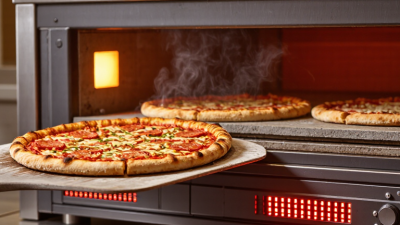
Cooking habits should guide the final choice. A live-fire pizza oven reaches high temperatures quickly, while a heavier retained-heat oven favors slow roasting and baking. Gas-assisted designs can help in rainy regions, but they may reduce the traditional fire experience. Check local ventilation and installation requirements before buying. Materials, door fit, chimney height, and insulation quality deserve practical inspection. Cheap insulation is rarely a real saving. Mistakes happen. A trial fire reveals more than a product photograph.

What Safety, Installation, and Maintenance Factors Should Buyers Check?

What Is the Best Type of Wood Oven for Global Buyers?

For global buyers, safety begins before the oven arrives. Choose a model with clear clearance requirements, a stable insulated hearth, and a properly designed chimney. The installation surface must support the oven’s weight without movement or cracking. Check local building rules, ventilation requirements, and permit procedures before ordering. Requirements vary widely between countries.

A qualified installer should inspect roof penetrations, chimney height, spark protection, and nearby combustible materials. Keep timber walls, curtains, and fuel storage safely away from radiant heat. Install a suitable fire extinguisher and carbon monoxide alarm where appropriate. Never rely on guesswork. A poorly sealed flue can send smoke indoors, even when the oven appears to draw well. I have seen buyers focus on cooking performance and overlook wind exposure. That mistake can affect both safety and temperature control.

Tips: Measure the doorway first. Confirm the floor load. Keep dry wood off the ground. Remove ash only after it cools completely. Inspect the chimney regularly for soot, nests, or corrosion. Check firebricks and door seals for damage. Use only recommended seasoned wood, not painted or treated timber. Keep a written maintenance schedule, even if it feels unnecessary. Some details may still be missed, so ask a local professional to review the completed installation.

What Is the Best Type of Wood Oven for Global Buyers?

A versatile oven should support the cooking temperatures required by the buyer’s main use. Refractory masonry and well-insulated modular ovens generally retain heat for long cooking cycles, while insulated steel ovens can heat up and cool down faster. Temperature ranges are practical cooking targets and should always be checked against the appliance manual.

Safety: Check certified construction, door and handle temperature, spark control, ventilation, chimney clearances, and compliance with local fire regulations.
Installation: Confirm a non-combustible, load-bearing base, weather protection, flue routing, required clearances, and access for delivery and assembly.
Maintenance: Burn dry untreated hardwood, remove ash regularly, inspect the flue, repair cracks early, and protect exterior finishes from water damage and freeze-thaw cycles.