Best Commercial Rack Oven for Your Bakery Needs?
Finding the right commercial rack oven can significantly impact your bakery business. These ovens ensure even baking, improve efficiency, and enhance product quality. In a bustling bakery, time is crucial. A reliable oven simplifies processes, allowing bakers to focus on creativity and flavor.
Choosing the best model may seem simple, yet many factors are involved. Consider capacity, heating methods, and energy efficiency. Different bakeries have unique needs that a one-size-fits-all solution can't address. Specific features can make a big difference in production levels and cost savings.
Investing in a commercial rack oven is not just a purchase; it’s a commitment to quality. You want equipment that stands the test of time. As you explore options, reflect on your specific needs. Do your research, gather insights, and learn from other bakers' experiences. Finding an oven that matches your vision can lead to remarkable baked goods and a successful bakery.
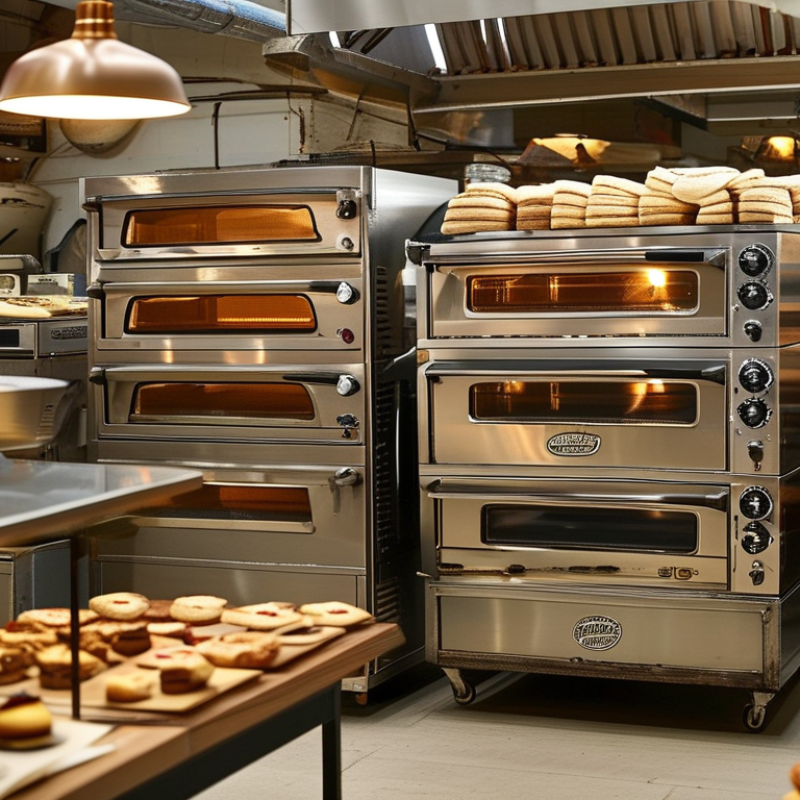
Key Features to Consider in a Commercial Rack Oven
When selecting a commercial rack oven for your bakery, several key features should be at the forefront of your decision-making. A pivotal aspect is the oven's capacity. Industry reports indicate that an oven with a capacity of 40 to 60 racks is often ideal for medium to large bakeries, enabling simultaneous baking of various products. This scalability can significantly boost productivity in a busy baking environment.
Another critical feature is temperature control. Reliable systems provide even heat distribution, ensuring consistent baking results. Baking professionals emphasize the importance of a temperature range that accommodates both low-temperature slow cooking and high-heat baking. Additionally, efficiency ratings are paramount. According to the latest energy efficiency studies, ovens that utilize convection technology can reduce energy costs by up to 30%, providing not just performance but also cost savings over time.
Also, consider the build quality and ease of maintenance. Sturdy construction materials extend the oven's lifespan, reducing replacement frequency. Regular cleaning can be cumbersome. Opting for ovens with easy access components can save on labor and time. Conversely, frequent issues with maintenance may lead to downtime, affecting production schedules. Balancing features with practical uses is essential for long-term success.
Best Commercial Rack Oven for Your Bakery Needs? - Key Features to Consider in a Commercial Rack Oven
| Feature |
Importance |
Details |
| Capacity |
High |
Determines how many trays can be baked simultaneously, crucial for high-volume production. |
| Temperature Range |
Medium |
Ranges typically from 200°F to 500°F to accommodate various baking needs. |
| Energy Efficiency |
High |
Helps reduce operating costs and environmental impact. |
| Convection vs. Standard |
Medium |
Convection ovens provide more even baking due to circulating air. |
| Ease of Cleaning |
High |
Features like removable racks and smooth surfaces facilitate maintenance. |
| Durability |
High |
Robust construction is essential for withstanding heavy use in a bakery environment. |
Types of Commercial Rack Ovens for Bakeries
When choosing a commercial rack oven for your bakery, understanding the different types available is crucial. Each type serves unique purposes, catering to specific baking needs. Convection ovens use fans for even heat distribution, making them ideal for pastries and breads. They often yield golden crusts and moist interiors, enhancing your product's appeal.
Deck ovens, on the other hand, provide radiant heat from sturdy stone surfaces. This type excels in baking artisanal loaves and pizzas. The direct heat from below enhances texture and flavor. However, they may require more skill to operate effectively.
Finally, combination ovens merge various cooking methods for versatility. They offer both steam and convection options. This flexibility is perfect for bakers who experiment with different recipes. However, these ovens can be complex and may have a steeper learning curve. Understanding these nuances helps in choosing the right oven to elevate your baking.
Benefits of Using a Rack Oven for Bakery Operations
In any bakery, the choice of oven greatly impacts the quality of baked goods. Rack ovens offer unique benefits that can enhance operations. The consistent heat distribution in rack ovens ensures uniform baking. This avoids issues like uneven rising or burning. Many bakers notice a marked improvement in crust quality and texture. Such ovens are designed for efficiency, accommodating multiple trays at once.
Tips: Consider the size and layout of your bakery. A well-placed rack oven can optimize workflow. Experiment with different rack configurations to find what works best for your products.
Another advantage is energy efficiency. Rack ovens often use less energy than traditional ovens, which can lead to reduced utility costs. They typically require less time to preheat and promote faster baking cycles. It's essential to monitor the energy usage and fine-tune operating practices to maximize savings.
Tips: Regular maintenance ensures that your oven stays in top shape. Check temperature calibration frequently. Baking is both an art and a science, so don’t shy away from adjusting settings based on your particular recipes. A little experimentation can yield significant improvements in end results.
Benefits of Using a Rack Oven for Bakery Operations
This bar chart illustrates the significant benefits of using a rack oven for bakery operations. The values represent the percentage of bakers who find each benefit advantageous, highlighting the effectiveness of rack ovens in providing even baking, increased capacity, energy efficiency, consistency in baking results, and versatility in handling various products.
Maintenance and Care Tips for Commercial Rack Ovens
Maintaining a commercial rack oven is crucial for optimal performance. Regular cleaning helps prevent buildup of grease and residues, which can affect the oven's efficiency. Use warm, soapy water for the exterior and avoid harsh chemicals that may damage the surface. Don’t forget to clean the interior. Stubborn stains may require a gentle scrubber.
Check the oven's temperature calibration monthly. Accurate readings ensure baked goods are cooked correctly. Over time, sensors can drift and produce inconsistent results. This might lead to soggy pastries or burnt bread.
Regular maintenance also includes checking door seals. Worn seals allow heat to escape, wasting energy. Replacing these can reduce heating costs. Besides, inspect internal components, like fans and heating elements, for wear and tear. Address any unusual noises or smells immediately. Trust your instincts; if something feels off, it likely is. Taking these steps can help prolong the oven's life and ensure consistent baking results.
Cost-Effective Options for Purchasing Rack Ovens
When considering a rack oven for your bakery, cost-effective options are essential. The bakery equipment market has shown a steady growth rate of 5.5% annually since 2020, indicating sustained demand. Many bakeries face tight budgets, yet a high-quality rack oven is crucial for efficiency and product quality.
Investing in a commercial rack oven typically costs between $15,000 to $30,000. This price range can be daunting, particularly for small businesses. However, used or refurbished ovens can dramatically reduce costs. Reports indicate that refurbished ovens can save up to 30% compared to new models. This option requires careful inspection and research, which some may overlook. Proper maintenance is also critical to avoid costly repairs later on.
Energy efficiency is another important consideration. According to the Energy Star program, replacing older ovens with newer, energy-efficient models can reduce energy costs by up to 25%. This move not only helps the environment but also improves your bottom line. Don’t forget to assess the long-term operating costs against the initial savings. Balancing these factors can prove challenging, yet it is essential for making a well-informed purchasing decision.