What is the Best Proofer Oven for Your Baking Needs?
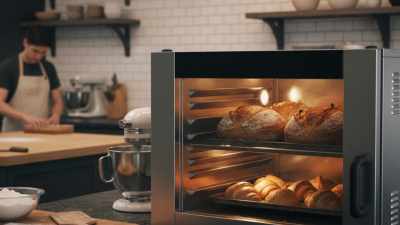
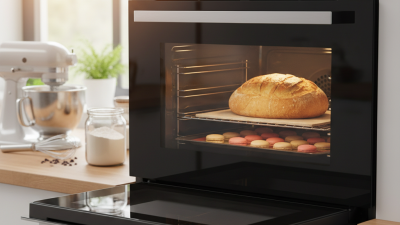
Baking enthusiasts know that a quality proofer oven can significantly enhance their bread-making experience. This specialized appliance creates an ideal environment for dough to rise, ensuring consistent results. However, selecting the best proofer oven isn't always straightforward. With various models available, it can be overwhelming.
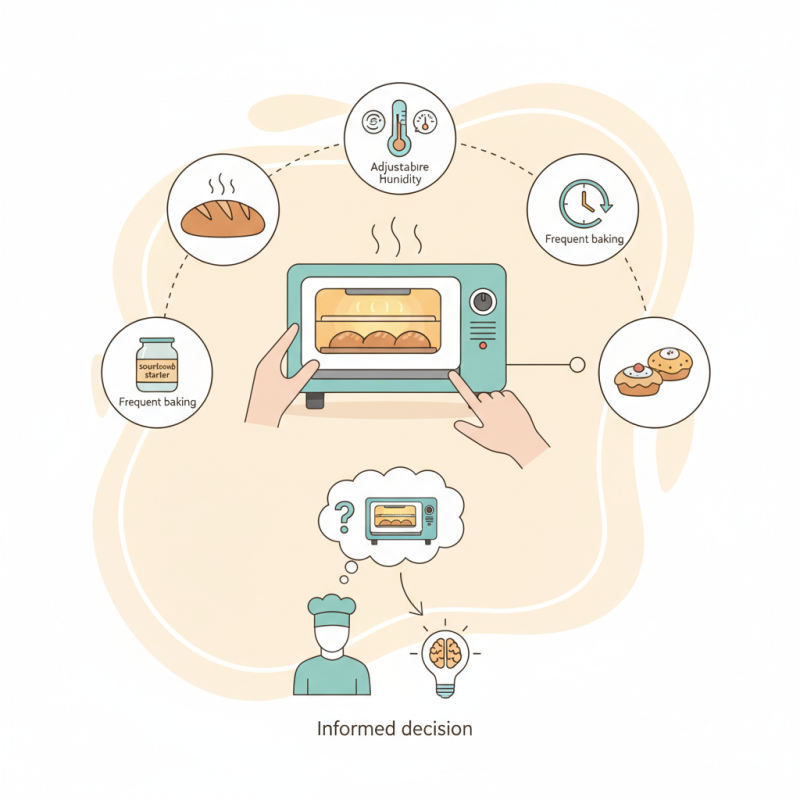
Understanding your unique baking needs is crucial. Do you bake often? Are you focused on sourdough or pastries? Different types of proofer ovens offer various features. Some provide precise temperature and humidity control, while others focus on simplicity and ease of use. A clearer understanding of these options will guide your choice.
Many bakers overlook the importance of a reliable proofer oven. They may get caught up in high-end models without considering their actual needs. This can lead to frustration or subpar baking results. Reflecting on what you truly want from a proofer oven will empower you to make an informed decision.
Choosing the Right Proofer Oven for Your Baking Style
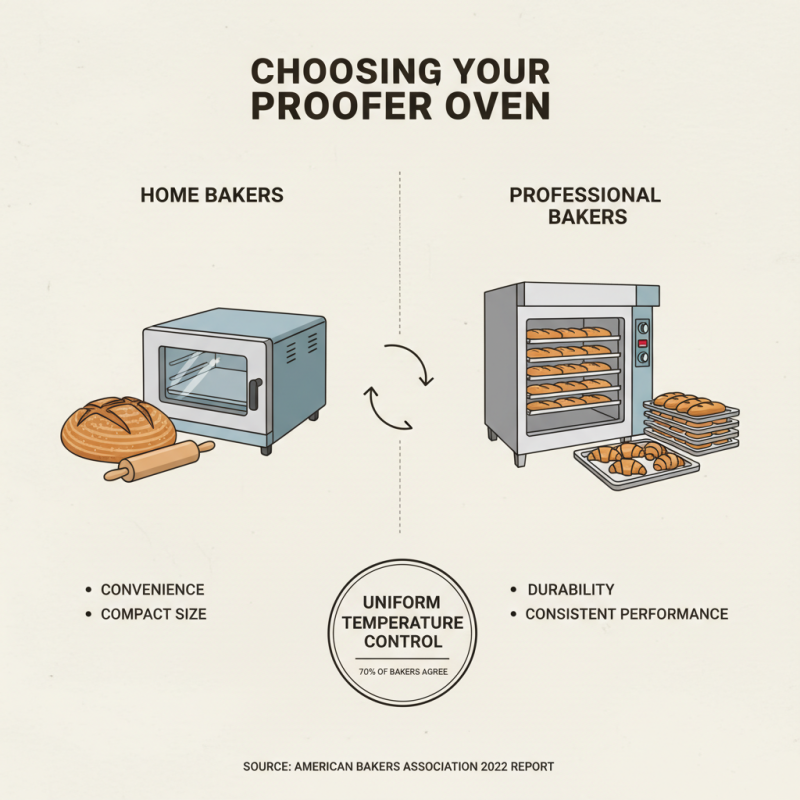
Choosing a proofer oven can significantly impact your baking results. Understanding your baking style is crucial. For instance, home bakers often prioritize convenience and size. Professional bakers, on the other hand, look for durability and consistent performance. According to a 2022 report by the American Bakers Association, nearly 70% of bakers value uniform temperature control as a vital feature. This consistency is key for perfect dough fermentation.
Most proofer ovens provide adjustable humidity levels. Maintaining a balance between heat and moisture is essential for a successful proofing process. Bakeries and culinary schools often recommend using a unit that allows precise control. Research suggests that proofing environments between 75-85°F yield optimal results for yeast activation. A small change in temperature can affect your dough; even an extra five degrees can lead to under or over-proofed bread.
Consider the space you have available. Professional-grade ovens consume more space but offer advanced features. They require regular maintenance to sustain performance. It's common for bakers to overlook this aspect until issues arise. Upgrading your equipment can be a worthy investment, but ensure it aligns with your specific baking needs. The right proofer oven should enhance your skills, not complicate them.
Key Features to Consider in a Proofer Oven
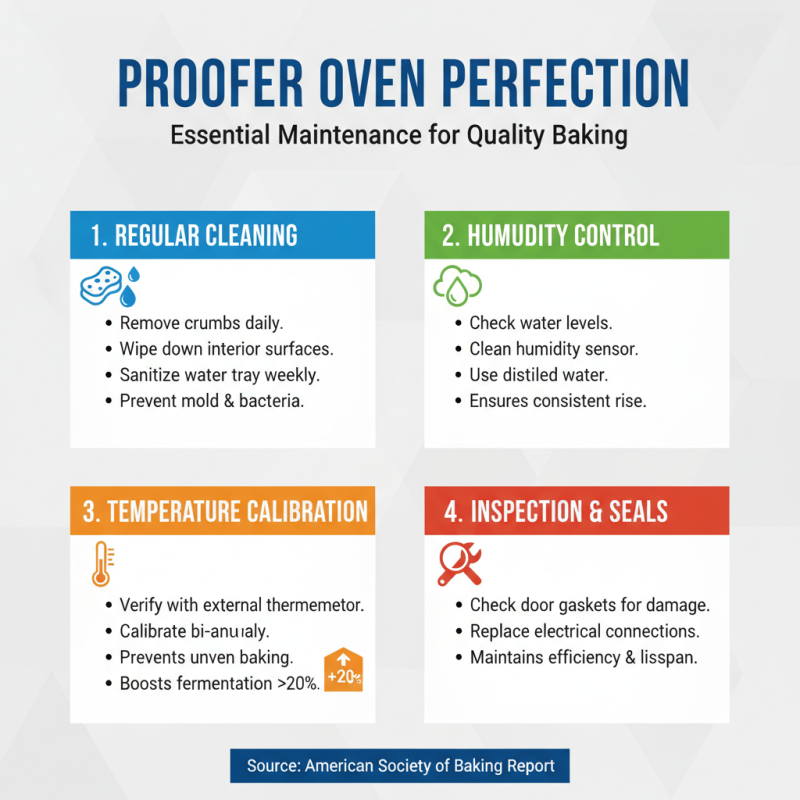
When selecting a proofer oven for baking, it's crucial to examine key features that cater to your specific needs. Temperature control is paramount. Consistent temperature settings, ideally between 75°F and 120°F, facilitate the ideal environment for yeast activation and dough fermentation. Reports indicate that precision in temperature can enhance the rise of bread by up to 20%. Bakers often find that a small variance can significantly alter the final product.
Humidity control is another essential factor. Many professional bakers recommend the ideal humidity level at around 75%-85%. This prevents the dough from drying out while allowing proper fermentation. Features such as water trays or steam injection systems can ensure that the environment remains optimally moist. Users report better texture and flavor profiles, linking moisture levels to dough development.
Portability and size are practical considerations too. Not every kitchen has ample space for a full-sized oven. Compact models can still maintain effective proofing capabilities without occupying too much space. Many professionals highlight the need for a balance between size and functionality. Investing time in assessing these features will improve the overall baking experience.
Types of Proofer Ovens and Their Benefits
When exploring proofer ovens, understanding the different types is essential. There are generally two main types: heated and humidity-controlled proofer ovens. Heated proofer ovens provide consistent warmth. This warmth helps dough rise effectively. Humidity-controlled models create an ideal environment for fermentation. The moisture level ensures bread's texture and flavor develop appropriately.
Choosing the right type matters. Heated options are ideal for basic breads that don't require much humidity. On the other hand, humidity-controlled ovens suit artisan bakers. These ovens can improve the quality of crust and crumb structure. Consider your baking style when making a choice.
Tips: Always monitor the temperature. Even slight changes can affect dough rise. Adjust humidity levels based on the recipe. An overly moist environment may lead to undesired results. Experiment with both types to find what works best for you. Tracking your results can guide future baking adventures.
What is the Best Proofer Oven for Your Baking Needs? - Types of Proofer Ovens and Their Benefits
| Type of Proofer Oven |
Temperature Range (°F) |
Humidity Control |
Capacity (Cubic Feet) |
Best For |
| Countertop Proofer |
80 - 120 |
Manual |
1 - 3 |
Home Bakers |
| Floor Proofer |
70 - 120 |
Automatic |
10 - 20 |
Commercial Use |
| Hybrid Proofer |
60 - 140 |
Both Manual and Automatic |
3 - 10 |
Versatile Applications |
| Commercial Proofing Cabinet |
70 - 140 |
Automatic |
14 - 30 |
Bakeries and Patisseries |
| Steam Proofer |
70 - 120 |
Steam Injection |
4 - 8 |
Baguettes and Artisan Breads |
Common Mistakes to Avoid When Using a Proofer Oven
Using a proofer oven can enhance your baking experience, but many users make common mistakes. One frequent error is
overcrowding the oven. According to a study by the Baking Industry Research and Education Foundation, overcrowding can lead to uneven temperatures.
This inconsistency affects dough fermentation. Allow for adequate space so each batch receives proper heat.
Another mistake is disregarding humidity levels. The ideal humidity for proofing bread is around
75-80%. Many users overlook this vital factor. Insufficient humidity can result in dry dough.
A report from the Institute of Culinary Education highlights that maintaining proper humidity ensures dough rises effectively.
Use water trays or sprayers to achieve the right environment.
Additionally, ignoring temperature settings can be detrimental. The optimum proofing temperature is typically
between 75°F to 78°F. Higher temperatures can cause over-proofing, while lower temperatures might result in under-proofing.
A survey by the American Society of Baking revealed that nearly 40% of bakers struggle with monitoring temperatures accurately.
Invest in a reliable thermometer for precise readings. Small adjustments can make a significant difference in your baking outcomes.