Best Bakery Ovens for Efficient Baking Solutions Worldwide?
In the world of baking, the choice of a bakery oven can greatly influence the quality of products. Renowned baking expert, Chef Lisa Thompson, emphasizes, “The right bakery oven is the heart of any successful bakery.” With technology evolving, bakers seek efficient solutions that not only enhance productivity but also ensure consistent results.
When selecting a bakery oven, several factors come into play. Temperature control, energy efficiency, and size are crucial elements. Many bakers find themselves overwhelmed by options. However, making informed choices can significantly impact overall performance. A reliable bakery oven should provide even baking and adhere to energy standards.
Despite advancements, not all bakers are satisfied with their ovens. Some report uneven baking or increased operational costs. Reflection on personal needs is essential. It is important to align the choice of a bakery oven with the specific requirements of the business. Ultimately, understanding both the advantages and limitations of different models will aid bakers in their quest for excellence.

Types of Bakery Ovens: Understanding Different Baking Methods
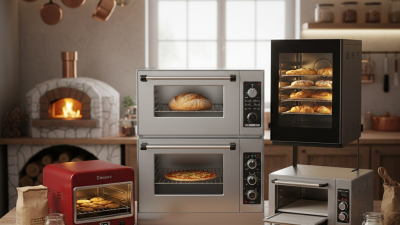
When it comes to baking, understanding the various types of bakery ovens is crucial. Different baking methods cater to diverse recipes and desired outcomes. For instance, deck ovens are favored for artisan breads. They produce a steamy environment that helps achieve a crispy crust. Layers of heat emanate from stone decks, creating an even bake. However, they require regular maintenance and monitoring to prevent uneven heating.
Convection ovens, on the other hand, circulate hot air for uniform baking. They’re perfect for pastries and cakes, delivering consistent results. The downside is that they can dry out sensitive doughs if not watched closely. Bakers often find themselves adjusting temperatures frequently. Meanwhile, rack ovens are designed for high-capacity baking. These ovens can handle large quantities, yet they can lead to inconsistent baking unless calibrated properly.
Every oven type has its strengths and weaknesses. Even experienced bakers face challenges in mastering each oven's nuances. Experimentation with settings and techniques is often necessary. It's crucial to be aware of how different ovens interact with specific ingredients and recipes. A well-rounded understanding of these baking methods will improve both technique and results.
Key Features to Look for in Efficient Bakery Ovens
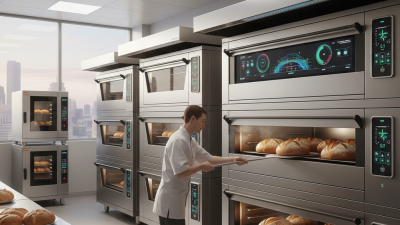
When looking for efficient bakery ovens, several key features stand out. Temperature control is crucial. Precise temperature regulation ensures consistent baking results. Ovens with digital controls provide easy adjustments, leading to better outcomes. Look for models that recover heat quickly. This feature reduces cooking time and improves productivity.
Another important feature is energy efficiency. Efficient ovens not only save on electricity bills, but they also have a lower carbon footprint. Models with good insulation minimize heat loss. This keeps the internal temperature stable, conserving energy over longer baking sessions. Additionally, consider the size and capacity. Ovens should fit your space while meeting your production demands.
User-friendly interfaces can greatly impact ease of use. Intuitive controls allow bakers to focus on creating rather than troubleshooting. Some ovens offer self-cleaning options, which can save time in maintenance. Even so, no oven is perfect. Periodic calibration may be necessary to maintain accuracy. Regular maintenance checks are essential for optimizing performance. Balancing these features will guide bakers in selecting the right oven for their needs.
Top Manufacturers of Bakery Ovens: A Global Overview
When exploring the realm of bakery ovens, it’s essential to consider various manufacturers that lead the market. Many brands specialize in innovative designs and efficient heating methods. This variety enables bakers to choose the right oven for their unique needs. Each manufacturer has its strengths, from convection ovens to deck ovens, catering to diverse baking styles.
Quality and performance are crucial. Some manufacturers focus on energy efficiency, while others prioritize speed. Utility is a common consideration among bakers. Not all ovens reach ideal baking temperatures quickly. Some require further testing and adjustments. Comprehensive research is vital to identify the best option.
Expert assessments often highlight reliability and durability. However, some ovens may not provide consistent results. Understanding the limitations of each option can lead to better decision-making. This industry evolves constantly, and staying updated is necessary. Continuous feedback from users helps manufacturers improve their products.
Best Bakery Ovens for Efficient Baking Solutions Worldwide
| Model |
Type |
Capacity (Breads) |
Temperature Range (°C) |
Energy Source |
| Model A |
Convection Oven |
60 |
150 - 250 |
Electric |
| Model B |
Deck Oven |
30 |
200 - 300 |
Gas |
| Model C |
Rack Oven |
120 |
150 - 260 |
Electric |
| Model D |
Pizza Oven |
20 |
250 - 350 |
Wood |
| Model E |
Steam Oven |
40 |
100 - 220 |
Electric |
Energy Efficiency in Bakery Ovens: Importance and Innovations
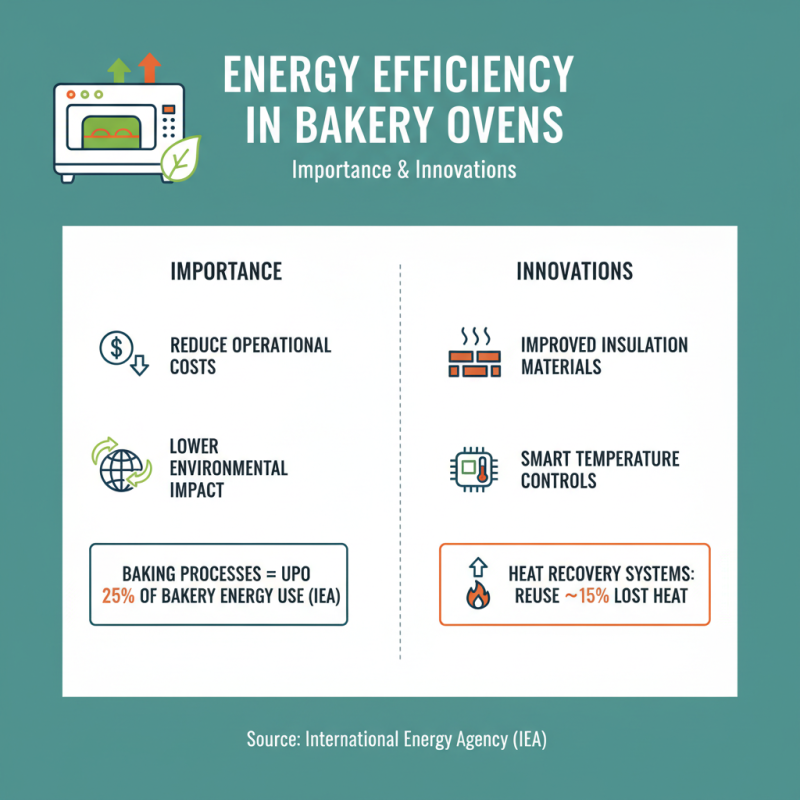
Energy efficiency in bakery ovens plays a critical role in reducing operational costs and environmental impact. According to the International Energy Agency, commercial baking processes consume up to 25% of total bakery energy use in some regions. Innovations such as improved insulation materials and smart temperature controls significantly cut energy waste. For example, ovens with advanced heat recovery systems can reuse about 15% of lost heat, boosting overall efficiency.
Bakeries face challenges in balancing consistent baking quality with energy savings. Some energy-saving ovens might require longer preheating times, which affects productivity. Industry reports highlight that transition to energy-efficient ovens could reduce bakery carbon emissions by approximately 20%. Still, retrofitting existing ovens remains complex and costly for many small-scale bakeries. These factors slow widespread adoption despite clear long-term benefits.
Oven manufacturers continue to experiment with renewable heating sources, including biomass and solar-assisted technology. These approaches show promise but need further refinement for large-scale bakery use. Accurate energy monitoring tools integrated into ovens offer real-time feedback, enabling operators to optimize settings. However, the lack of standardized metrics in energy efficiency reporting limits fair comparison across different oven models. There is room for improvement in industry transparency and measurement consistency.
User Reviews and Recommendations for the Best Bakery Ovens
When selecting the ideal bakery oven, user reviews stand out as invaluable resources. Many bakers emphasize the significance of an oven's temperature consistency. Fluctuations can ruin perfectly crafted pastries. Some users have expressed frustration over unexpected hot spots. Others praise ovens that maintain even heat distribution. User experiences reveal the importance of reliability.
Tips for choosing the right oven include considering size and functionality. A compact oven may fit seamlessly into smaller spaces. However, larger ovens can accommodate higher volumes of baked goods. Think about your baking needs. Read reviews to identify common issues, such as inadequate heating or easy maintenance.
Bakers often recommend checking the ease of use. Complex controls can lead to frustration during busy hours. User feedback highlights the advantage of intuitive interfaces. Less time figuring out settings means more time creating delicious treats. Remember, even the best oven can require adjustments. It’s essential to learn and adapt to your specific baking environment.
Best Bakery Ovens for Efficient Baking Solutions Worldwide