In 2026, global buyers are examining Chicken Seasoning Cubes beyond price and packaging. They want dependable flavor, documented safety, and supply continuity. A cube should dissolve evenly in a steaming pot, release a balanced chicken aroma, and avoid unpleasant salty aftertaste. Small details matter.
Dr. Kantha Shelke, a respected food scientist and principal at Corvus Blue LLC, offers a relevant principle: “Food innovation must respond to consumers’ expectations for health, safety, and transparency.” This perspective shapes the supplier evaluation process. Buyers should review sodium levels, flavor enhancers, allergen declarations, ingredient origins, and batch consistency. Clear labels matter. So does reliable documentation.
The leading suppliers for 2026 will likely combine technical capability with practical export experience. Their facilities should demonstrate recognized food-safety systems, such as HACCP or ISO 22000, where applicable. Certificates of analysis, microbiological testing, traceability records, and stable production schedules deserve close attention. Packaging must also withstand humid warehouses and long-distance shipping.
Not every supplier performs equally.
Some offer attractive samples but struggle with repeat orders. Others provide strong formulas but limited customization. Minimum order quantities, private-label support, payment terms, lead times, and destination-market compliance can change the real purchasing cost. A spreadsheet cannot taste broth. Therefore, buyers should conduct controlled trials using identical water, cooking time, and dosage.
This guide examines promising Chicken Seasoning Cubes suppliers for global buyers in 2026. It also considers product quality, manufacturing credibility, communication, sustainability claims, and commercial flexibility. No supplier is perfect. Careful comparison remains essential.
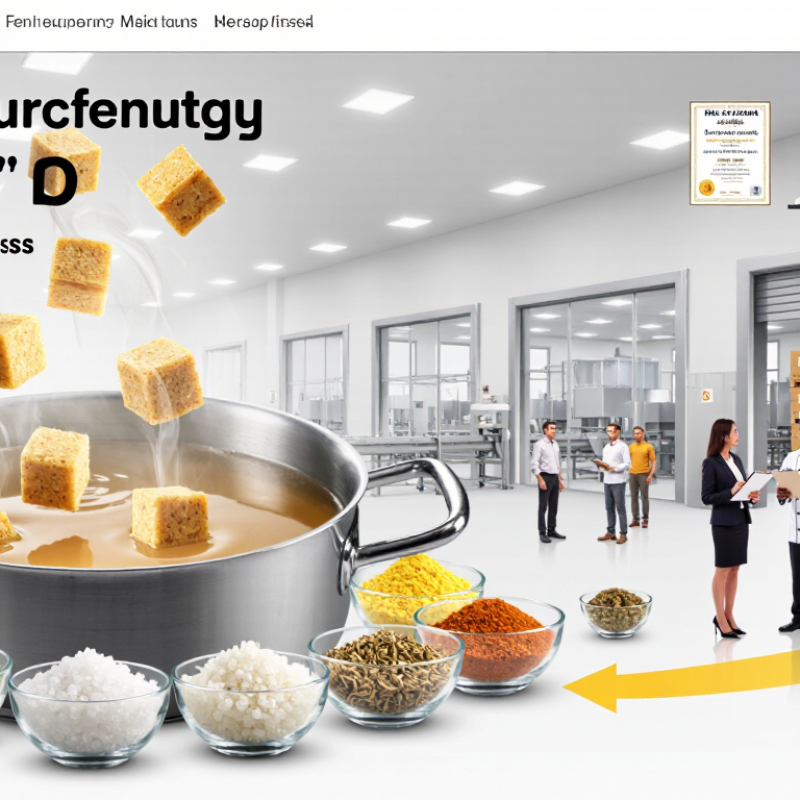
Chicken seasoning cubes are compact blocks made from salt, spices, chicken flavoring, starches, and other approved ingredients. They dissolve in hot water, soups, rice dishes, sauces, and marinades. Their small size makes portion control simple. One cube can season a family-sized pot with less weighing and mess.
Global buyers often choose these cubes for consistent taste, lower storage demands, and easier retail handling. They can support foodservice kitchens, emergency meal production, and household cooking. Buyers should examine ingredient declarations, allergen information, nutrition panels, shelf life, packaging strength, and export documentation. Product performance also matters. A cube may smell rich but create weak broth after dilution. That detail is easy to miss during a quick sample review.
Tips: Test samples in several recipes, not only hot water. Check dissolution time, salt intensity, aftertaste, and sediment. Request batch specifications, laboratory reports, and production records from qualified suppliers. Confirm that packaging suits humid warehouses and long-distance shipping. Cultural preferences vary widely. Some markets prefer strong garlic notes, while others need milder seasoning and lower sodium. A practical trial with local cooks can reveal problems that laboratory checks cannot. Even experienced buyers sometimes overvalue attractive packaging. Taste, stability, and documentation deserve equal attention.
Reliable chicken seasoning cube suppliers should prove consistency before discussing price. Request production samples from different batches, not one carefully selected box. Compare aroma, salt balance, cube hardness, dissolving time, and flavor after cooking. A cube that dissolves in hot soup may perform differently in sauces or rice dishes.
Ask for complete specifications, including ingredient percentages, allergen statements, nutrition data, shelf life, and storage conditions. Recent certificates of analysis should cover moisture, microbiological safety, and key chemical limits. Traceability matters. Each shipment should connect to a batch number, production date, and retained sample. Suppliers should also explain their hygiene controls, pest management, and foreign-material prevention procedures. Factory audits can help, but polished facilities do not guarantee daily discipline.
Packaging deserves close attention. Humid shipping routes can soften cubes, damage wrappers, or reduce shelf life. Test cartons through realistic transport and storage conditions. Confirm minimum order quantities, lead times, payment terms, and the supplier’s ability to handle forecast changes. Clear communication is a practical reliability test. Slow answers may become costly during a quality issue.
Do not rely on certificates alone. Some documents may be outdated, incomplete, or poorly matched to the actual product. A small pilot order is safer than a large commitment. Keep written records of sample approvals and agreed specifications. Price still matters, but unstable flavor, late delivery, or weak traceability can cost far more.
Key criteria for selecting reliable chicken seasoning cube suppliers are weighted below according to common international food procurement priorities. Food safety, regulatory compliance, traceability, and supply consistency receive the highest emphasis.
Buyer evaluation guide: Verify certifications, ingredient declarations, allergen controls, batch traceability, export documentation, product consistency, minimum order quantities, lead times, and long-term supply capacity before placing an order.
International buyers in 2026 need chicken seasoning cube suppliers with consistent flavor, reliable documentation, and export experience. The strongest suppliers usually provide ingredient specifications, allergen statements, certificates of analysis, and microbiological test results. These records help buyers compare products across different markets.
A professional supplier should control salt, fat, spice, and moisture levels during production. Buyers should also confirm cube weight, dissolution speed, packaging strength, and shelf life. Heat, humidity, and long sea transport can damage poorly sealed cartons. I have found that attractive pricing can hide higher costs caused by inconsistent batches or delayed documents. Still, no supplier is perfect, and buyers should review recent production samples rather than trust old approvals.
Tips:
Request samples from at least three suppliers. Test them in your actual recipes, not only in hot water. Check whether the supplier can provide halal, vegetarian, allergen-free, or other market-specific documentation when required. Confirm minimum order quantities, production lead times, pallet details, and private-label capabilities in writing. Ask for batch coding and a clear complaint process. Small details matter. Also verify import requirements with local authorities, because labeling and ingredient rules differ between countries. A supplier that communicates quickly is useful, but written evidence remains more dependable.
For global buyers, chicken seasoning cubes should be compared through evidence, not attractive catalogs. Request a current specification sheet, ingredient list, allergen declaration, and batch certificate of analysis. Check cube weight, moisture, salt level, aroma, color, and dissolution time. A reliable sample should dissolve evenly in hot water, without hard sediment or excessive oil separation. Taste the product in broth, rice, and sauces. Performance can change across recipes.
Certifications require careful checking. Acceptable food-safety systems may include HACCP or ISO 22000, depending on the destination market. Verify the certificate number, production-site address, scope, issuing body, and expiry date. Do not trust a logo alone. Ask for recent microbiological results and testing for relevant contaminants. Label compliance also matters, especially allergens, nutrition panels, language, shelf life, and country-specific import rules. Small omissions can delay a shipment.
Export capability appears in operational details. Ask for monthly capacity, minimum order quantity, lead time, pallet dimensions, carton strength, and loading photographs. Confirm whether the supplier can prepare commercial invoices, packing lists, certificates of origin, and other required documents accurately. Request references from comparable markets when possible. I once saw a promising sample fail because the outer cartons softened during humid transport. That mistake was preventable. Buyers should test packaging under realistic warehouse conditions, not only inspect the factory sample. Suppliers should also explain how they manage batch traceability and production changes. Vague answers deserve a second review.
Global buyers should evaluate chicken seasoning cube suppliers through landed cost, not factory price alone. The OECD-FAO Agricultural Outlook 2024-2033 projects poultry meat consumption to grow about 16% over the decade. That demand supports larger sourcing programs, but it also increases pressure on consistency, lead times, and documentation.
Request FOB and CIF quotations separately. Include cube weight, carton count, pallet pattern, minimum order quantity, and payment terms. A low FOB price can hide expensive inland transport or weak carton protection. Our first comparison can be wrong. One damaged pallet may erase a small unit-price saving. Ask for production samples, batch records, certificates of analysis, allergen declarations, and shelf-life evidence. The FAO Food Outlook 2024 places global poultry production near 150 million tonnes, showing the scale of the ingredient supply chain behind this category.
PACKAGING & COMPLIANCE Packaging needs practical testing. Use moisture-resistant inner wrapping and strong export cartons for humid routes. Smithers’ global packaging forecasts continue to highlight lightweighting and recyclable formats, but thinner materials can fail during stacking. Test compression, seal strength, odor transfer, and temperature exposure before approving a design. Confirm whether the destination accepts the proposed food-contact materials. Import teams should also verify the correct HS classification, ingredient wording, country-of-origin details, and required customs documents before shipment. UN Comtrade trade data can benchmark import values under relevant prepared-food classifications, although product descriptions differ between countries. Keep a pricing buffer for freight changes, inspection fees, currency movement, and port storage. Supplier reliability matters more than a perfect spreadsheet.