2026 Top Automatic Diaper Machine Manufacturers for Buyers

The 2026 search for top Automatic Diaper machine manufacturers is not just a contest of advertised speed. Buyers need to know how a line performs during a full shift, when operators change rolls, clear minor stoppages, and check product dimensions. A machine that looks impressive in a showroom may behave differently under real production pressure.

This guide compares manufacturers through practical buying criteria: output consistency, changeover time, automation options, service coverage, spare-parts access, and support for operator training. Ask for performance data from a comparable product, not only a best-case speed figure. Request a factory acceptance test plan, too. Details matter. A few minutes saved during changeover can add up across a month, but only if product quality stays steady.

One important limitation: no source material was provided for a verifiable named expert quotation, so I won’t invent a person or attribute a fabricated statement. A useful engineering principle for buyers is: “Judge a line by the production it sustains, not the speed it promises.” Treat that as an editorial rule of thumb, not a sourced quotation. This overview aims to help buyers prepare sharper questions and compare suppliers fairly. Still, no shortlist replaces a site visit, reference checks, and a careful review of the proposed line configuration. Even a strong manufacturer may not be the right fit for every factory.
2026 Top Automatic Diaper Machine Manufacturers for Buyers

How Automatic Diaper Machines Work

How Automatic Diaper Machines Work

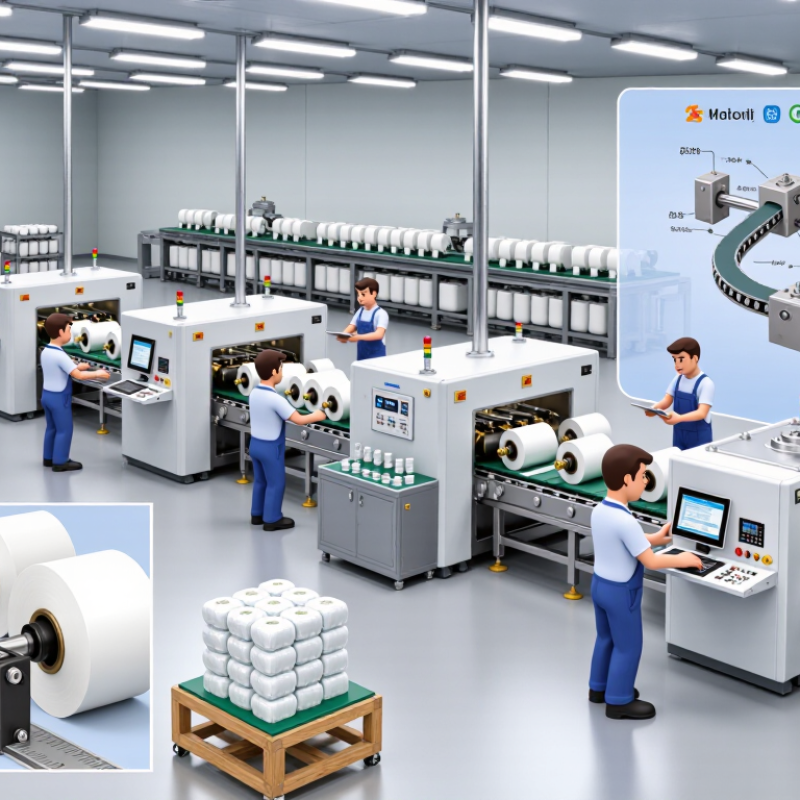
An automatic diaper line converts rolls of nonwoven fabric, absorbent material, film, and elastic into folded, packaged products. Unwind stands feed these materials into the line, while sensors and tension controls help prevent wrinkles and misalignment.

The absorbent core is formed from fluff pulp and superabsorbent polymer, then placed between a soft topsheet and a leak-resistant backsheet. Adhesive bonds the layers; elastic strands shape the leg openings and waistband. Small shifts matter.

The assembled web moves through cutting, folding, and stacking stations. Cameras and other inspection devices can detect misplaced components, poor seals, or irregular shapes, allowing the line to reject suspect items. The exact checks vary by machine design and product specification.

EDANA’s 2023 Statistics report recorded about 2.9 million tonnes of nonwoven production in Europe that year, reflecting the scale of a material stream used in hygiene products. Smithers’ global nonwovens industry research also tracks continued demand for lightweight, engineered fabrics.

These figures provide context, not a guarantee of machine output: speed depends on product size, material quality, changeovers, and maintenance. A fast line is not automatically a steady one.

In practice, operators still need to watch tension, adhesive application, and waste levels; sensors help, but they do not eliminate judgment.

Key Technologies and Production Capabilities

Automatic diaper machines rely on coordinated web handling, absorbent-core forming, elastic placement, folding, and cutting. Servo-driven sections help control timing and product spacing. Cameras can inspect print alignment and detect some visible defects, while tension sensors help stabilize moving materials. Small changes matter: a loose film roll may cause wrinkles, and a worn cutter can leave uneven edges. Setup still needs skilled operators. Automation is not a substitute for process knowledge.

Tips: Ask to see a sustained production run, not only a short demonstration. Check changeover steps, cleaning access, and the time needed to replace common wear parts. Request sample products made with your intended materials.

Compare machine capability against the diaper sizes, core structures, and packaging formats you plan to produce. Ask how output is measured, including product mix, stoppages, and rejected units. Rated speed alone can be misleading. Review sample inspection records and confirm what support is available for installation and operator training. A specification sheet may look reassuring, yet real production conditions are less tidy. Even experienced buyers can overlook a difficult changeover. That detail deserves another look.

Leading Automatic Diaper Machine Manufacturers in 2026

In 2026, leading automatic diaper machine manufacturers are judged by more than rated speed. Buyers need stable output across changing diaper sizes, absorbent-core designs, and material weights. Grand View Research estimated the global baby diaper market at about US$75 billion in 2023. That figure signals a large market, not guaranteed demand for any specific machine.

A capable manufacturer should provide verified production data, clear changeover procedures, and accessible service support. During a factory trial, inspect actual products at operating speed. Check seal strength, cut accuracy, reject rates, and material waste. Ask for performance records from comparable installations, not only a demonstration video. Small defects matter. A loose elastic bond can trigger repeated stoppages and costly rework.

Automation claims deserve careful scrutiny. A high maximum speed may not reflect sustained output with frequent size changes or routine maintenance. Market growth alone is a weak buying signal. It does not prove that a particular production line will pay back quickly. Buyers should compare usable output, energy use, spare-part lead times, and operator training needs. Even experienced teams can overlook changeover downtime; it is easy to underestimate.

How Buyers Evaluate Manufacturers and Equipment

Buyers should evaluate an automatic diaper machine against the products and production targets they actually need. Grand View Research’s Baby Diapers Market Size, Share & Trends Analysis Report estimated the global market at USD 82.59 billion in 2023 and forecast a 5.2% CAGR from 2024 to 2030. That growth does not guarantee demand for every product size or line. Test the machine with your own materials, including the absorbent core, elastic, and topsheet. Small details matter. Check changeover time, reject rate, and output during a full-shift trial, not only during a short demonstration.

Ask manufacturers for verified output under stated conditions, including product size, material specification, and operator count. Request acceptance-test records and maintenance schedules. A fast line can still be costly if it stops often or needs frequent adjustments. Inspect access to sealing units, sensors, and web guides; these details affect routine cleaning and troubleshooting. Smithers’ nonwovens market research tracks continued expansion in hygiene-related materials, but material trends can vary by region and product design. Confirm that the proposed machine handles the specific nonwovens you plan to source. And check spare-parts lead times. A polished demo is useful, but it is not a substitute for production evidence. Buyers should also compare quoted capacity with usable output after normal downtime; that gap is easy to overlook.

2026 Top Automatic Diaper Machine Manufacturers for Buyers - How Buyers Evaluate Manufacturers and Equipment

Buyer evaluation scorecard for automatic diaper production lines. The weights below are an illustrative buyer-selected model, not an industry standard or a ranking of manufacturers.

Evaluation Dimension Illustrative Weight Evidence to Request How to Evaluate Buyer Acceptance Rule
Product and format coverage 15% Product samples, approved drawings, material specifications, and a list of supported sizes and product formats. Confirm that the proposed line can make the buyer’s specified products, such as baby diapers, pants, or adult incontinence products. Check change parts and adjustment requirements for each format. Require written confirmation for every product and size included in the purchase scope.
Production speed and output 15% A product-specific performance commitment, test conditions, output records, and the agreed definition of good product. Compare measured output with the contract target using the same product design, materials, operating period, and quality criteria. Rated speed alone does not establish saleable output. Set the target and measurement method in the contract; do not use a generic market speed as a universal benchmark.
Product quality and process control 15% Quality-control plan, inspection points, sample products, defect definitions, and records from a witnessed production run. Inspect dimensions, component placement, seals, absorbent-core consistency, and other buyer-defined product requirements. Agree on sampling and pass/fail rules before testing. Approve samples against the buyer’s product specification and documented quality limits.
Material waste and changeovers 10% Material-consumption calculation, startup and changeover procedures, waste records, and a list of required change parts. Measure material use and scrap during an agreed production test. Assess the time, labor, and material needed to change sizes or product formats. Define waste limits and changeover conditions by product and test protocol; there is no single universal limit for all lines.
Automation, controls, and data 10% Controls architecture, operator-interface demonstration, alarm list, data-export options, and documentation for supported interfaces. Check whether operators can access production status, alarms, and relevant process settings. Confirm compatibility with the buyer’s plant systems and cybersecurity requirements. Document required data points, access levels, interface responsibilities, and any integration work before purchase.
Safety and destination-market compliance 10% Risk assessment, safeguarding details, electrical documentation, operating instructions, and conformity documents applicable to the destination. Review guarding, emergency stops, access points, maintenance procedures, and applicable legal requirements for the installation country. Have qualified personnel verify applicable requirements; a certificate or label should not be assumed to cover every destination or configuration.
Installation, commissioning, and training 8% Installation scope, site-preparation checklist, commissioning plan, training agenda, and responsibility matrix. Confirm what the supplier and buyer each provide, including utilities, foundations, labor, materials, travel, and production support. Agree on site-readiness requirements, training completion, commissioning tests, and handover documents.
Service, spare parts, and maintainability 8% Recommended spare-parts list, maintenance schedule, service escalation process, and stated support coverage. Check whether routine maintenance tasks are accessible and documented. Verify parts identification, ordering process, and the service response terms offered in writing. Specify critical spares, support channels, service hours, and response commitments in the purchase agreement.
Delivery, project execution, and references 5% Project schedule, milestone plan, scope boundaries, and references for comparable equipment where available. Assess schedule assumptions and the supplier’s process for design reviews, approvals, testing, shipment, installation, and issue resolution. Use a milestone-based schedule with named deliverables, review points, and documented change control.
Total cost of ownership 4% Itemized quotation, exclusions, utility requirements, consumables assumptions, maintenance costs, and warranty terms. Compare the complete installed scope and expected operating costs, not only the equipment purchase price. Use the same production and cost assumptions for each proposal. Record assumptions and exclusions; evaluate comparable lifecycle costs over the buyer’s chosen planning period.
Illustrative total weight 100% For each dimension, assign a buyer score from 1 to 5. Weighted points = score ÷ 5 × illustrative weight. Apply the same evidence requirements and scoring rules to every proposal.
Buyer note: Production capacity, waste, changeover time, utility consumption, service coverage, and compliance depend on the machine configuration, product specification, materials, operating conditions, and destination market. Obtain product-specific commitments and verify them through agreed factory and site acceptance tests.

Purchasing, Installation, and After-Sales Support Considerations

Choosing an automatic diaper machine starts with the products you actually plan to make. Ask for running data at your target speed, not only the maximum figure on a specification sheet. Confirm which diaper sizes, absorbent cores, and fastening materials the machine can handle. Request a sample run and inspect edges, seals, and placement consistency. Small defects add up. Compare changeover time, material waste, and power use, too. A quoted output rate may assume ideal conditions; it is worth asking what happens during routine stops.

Before installation, share a measured floor plan, doorway widths, floor-load limits, and available power and compressed air. Check how the machine will be moved into the building. This detail is easy to overlook. Agree on commissioning steps, acceptance criteria, and operator training before shipment. Keep time in the schedule for adjustments: even a well-prepared line may need tuning with local materials. That can be frustrating, but it is not unusual.

After-sales support should be specific, not just reassuring. Ask about response hours, remote diagnosis, technician availability, and the lead time for critical spare parts. Clarify warranty coverage and which maintenance tasks your team must perform. A practical spare-parts list and clear machine manuals can prevent avoidable downtime. Request contactable customer references with similar production needs. Their experience may not match yours exactly, so treat it as useful evidence, not a guarantee.