2026 Best Gray Suit Fabric for Global Buyers

Choosing Gray Suit Fabric in 2026 requires more than selecting an attractive shade. Global buyers need dependable quality, stable supply, and clear technical evidence. A charcoal sample may look refined under showroom lights. It can appear different outdoors, under office LEDs, or beside white shirts. That small shift affects purchasing decisions. This guide examines practical fabric choices for international tailoring programs. It considers fiber content, fabric weight, weave, finish, durability, comfort, and care requirements. Regional climates and customer expectations also deserve attention. Details matter.

Experienced buyers usually compare wool, wool blends, recycled fibers, and performance materials before approving bulk orders. Merino wool can provide softness, breathability, and a polished drape. Polyester blends may improve crease resistance and price control. Stretch fibers can support movement, but excessive elasticity may weaken the suit’s formal structure. No fabric is perfect. Every advantage creates a trade-off. A lighter cloth may feel comfortable in warm regions but wrinkle more easily. A dense weave may offer stronger wear resistance but feel less breathable.

Reliable sourcing depends on more than supplier claims. Buyers should request composition records, weight measurements, shade standards, shrinkage results, and abrasion testing. Small swatches should be checked after pressing, rubbing, and exposure to ordinary lighting. Factory visits and consistent pre-shipment inspections can reveal practical issues that catalogs hide. Still, testing has limits. Real customers sit, travel, work, and repeat-clean garments differently. This overview therefore combines textile knowledge with purchasing experience, while recognizing that local trials remain essential. The best Gray Suit Fabric supports appearance, comfort, compliance, and long-term value without pretending that one specification suits every market.
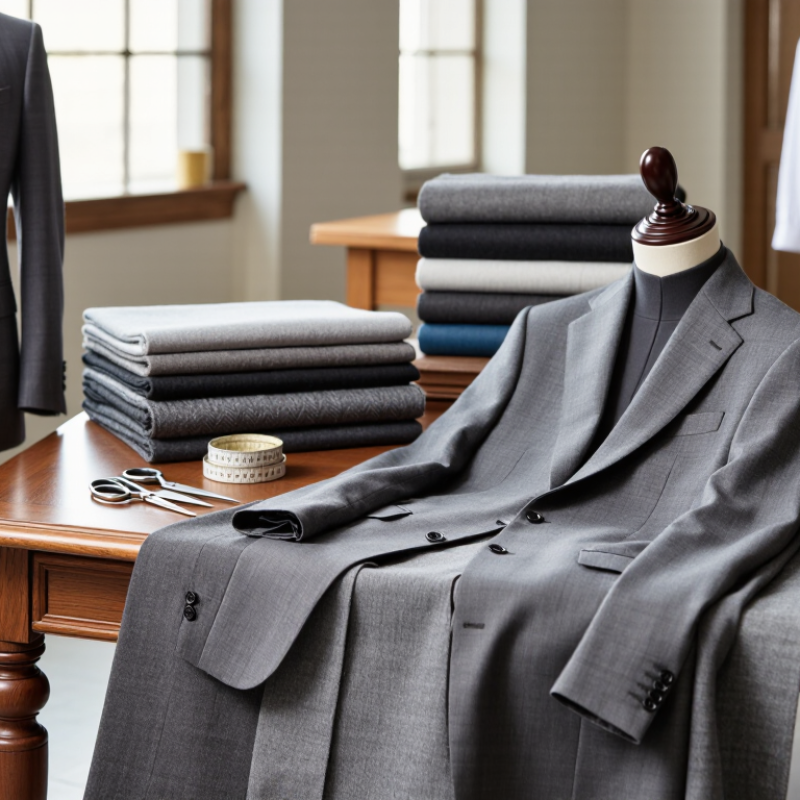
2026 Best Gray Suit Fabric for Global Buyers

What Makes Gray Suit Fabric Suitable for Global Buyers in 2026

2026 Best Gray Suit Fabric for Global Buyers

Gray suit fabric fits global purchasing because it supports many markets, seasons, and dress codes. Charcoal suits business buyers, while mid-gray works for weddings and daily office wear. In practical sourcing, gray also hides minor creasing better than navy or black. That matters during long-distance shipping and retail handling.

Textile Exchange’s 2024 Materials Market Report estimated global fiber production at 124 million tonnes in 2023. This scale increases pressure to verify fiber origin, recycled content, and manufacturing claims. A wool-polyester blend can improve shape retention and reduce cost. However, recycled polyester may change the fabric’s handfeel or pilling performance. Sampling remains essential. The label alone is not enough.

The European Environment Agency reported 19 kilograms of textile consumption per person in the European Union in 2022, including 16 kilograms of clothing. This highlights demand for longer-lasting garments. For 2026 orders, buyers should test abrasion, colorfastness, shrinkage, and seam recovery under ISO methods. A 230–280 GSM twill suits many climates, but tropical markets may need lighter construction. Gray is not magic. Poor ventilation still makes a suit uncomfortable. Suppliers should provide test records, fiber percentages, and production-lot shade control before bulk approval.

Key Gray Suit Fabric Types and Their Performance Differences

2026 Best Gray Suit Fabric for Global Buyers

Gray suit fabric is not one universal material. Its performance depends on fiber content, yarn quality, weave, weight, and finishing. Buyers should match these details with climate, shipping conditions, and customer expectations.

Pure wool offers strong breathability, natural drape, and reliable crease recovery. Fine wool feels refined, but delicate fibers may show abrasion sooner on daily commuter suits. Tropical wool, usually lighter and more open woven, suits warm offices and humid cities. It can wrinkle more easily. Wool-polyester blends improve durability and shape retention. They often reduce cost, but may feel warmer and less luxurious against the skin. Wool-viscose blends provide softness and fluid movement. However, viscose can lose strength when wet and may need careful finishing.

Weight matters.

A medium-weight gray fabric around 240–280 grams per square meter works across many markets. Heavier flannel gives warmth and a soft, brushed surface for cooler regions. Its texture can attract lint and require regular care. During sourcing inspections, check seam slippage, pilling, color consistency, and recovery after pressing. A practical test includes rubbing the fabric against a sample bag and measuring visible wear. Laboratory data helps, but it does not predict every customer experience. I have seen attractive gray fabrics perform poorly under frequent travel. There is no perfect choice. The safest decision balances comfort, durability, appearance, and realistic selling conditions.

2026 Best Gray Suit Fabric for Global Buyers - Key Gray Suit Fabric Types and Their Performance Differences

Fabric Type Typical Fiber Composition Common Weight Breathability Wrinkle Resistance Durability Best Climate or Use Main Trade-Off
Superfine Merino Wool 100% wool, generally fine or superfine grade 230–280 g/m² Very high High natural recovery High when properly maintained Year-round business suits and formal tailoring Higher cost; may require professional cleaning
Wool-Polyester Blend Typically 45–70% wool with polyester balance 220–300 g/m² Medium to high Very high Very high High-volume uniforms, travel suits, and daily office wear Less natural handle and heat regulation than pure wool
Wool-Elastane Stretch Usually 97–98% wool with 2–3% elastane 230–280 g/m² High High High, depending on elastane quality and finishing Business travel, slim-fit suits, and active office use Elastane can lose recovery with excessive heat or aging
Tropical Wool Lightweight 100% wool, often open-weave construction 180–230 g/m² Excellent Medium to high Medium; lighter cloth may wear faster Hot, humid regions and summer formalwear Can crease more easily and provide less structure
Linen-Wool Blend Commonly 40–60% linen blended with wool 220–280 g/m² Excellent Low to medium; relaxed creasing is characteristic Medium Warm-weather events, resort tailoring, and relaxed businesswear Wrinkles readily and usually has a more casual appearance
Cotton Twill 100% cotton, typically twill or compact twill weave 240–330 g/m² High Low to medium unless treated High Casual suits, workwear-inspired tailoring, and warm climates Less crease recovery and less formal drape than wool
Polyester-Viscose Blend Commonly 60–80% polyester with viscose balance 200–280 g/m² Medium to low Very high High Budget-conscious uniforms, rental programs, and frequent-use suits Can retain heat and may develop shine with heavy abrasion
Recycled Polyester Blend Typically recycled polyester blended with viscose or wool 200–280 g/m² Medium to low Very high High Cost-sensitive programs with recycled-content requirements Performance depends on recycled fiber quality and finishing; limited biodegradability
Data note: Weight ranges and performance ratings are typical industry ranges. Actual results vary with yarn count, weave, finishing, fabric construction, color depth, and garment care. “High” and “Very high” ratings are comparative rather than standardized test scores.

How to Evaluate Fiber, Weave, Weight, and Durability

For global buyers, a gray suit begins with fiber, not color. Fine merino wool provides breathability, natural recovery, and a refined surface. Wool blends can improve crease resistance and reduce cost. However, excessive synthetic fiber may trap heat and create shine. Check fiber percentages through supplier specifications and independent testing. A swatch can reveal softness, but not long-term performance.

Weave affects both appearance and service life. A tightly woven twill usually resists abrasion better than a loose plain weave. Herringbone adds texture, yet its raised pattern may wear unevenly at elbows. Hold the fabric toward light. Gaps, uneven yarns, or weak areas deserve questions. For warm markets, choose a lighter construction with airflow. For cooler regions, a denser weave may feel more dependable.

Weight should match climate, transport, and customer use. Around 230–280 GSM often suits versatile year-round tailoring, but this is not a universal rule. A heavy cloth can drape beautifully and still feel uncomfortable indoors. Request GSM, pilling results, colorfastness data, and abrasion scores.

Rub the sample against a rough lining fabric. Small tests are useful. They are not perfect.

I have seen attractive swatches fail after repeated pressing, especially around pocket edges. Durability also depends on finishing, stitching, and care instructions, so evaluate the complete garment rather than fabric alone.

Regional Climate and Market Factors Affecting Fabric Selection

2026 Best Gray Suit Fabric for Global Buyers

Regional Climate and Market Factors Affecting Fabric Selection

Choosing gray suit fabric for global buyers starts with climate, not color. In humid tropical markets, lightweight wool blends with breathable construction can reduce heat and drying problems. A fabric around 220–250 grams often feels more practical than a dense winter cloth. It still needs crease resistance. Commuters may face crowded trains, sudden rain, and long office hours.

Hot, dry regions create different demands. Open-weave wool or wool-polyester blends can improve airflow, while a slightly deeper gray may hide dust better. However, synthetic content can feel uncomfortable under intense sunlight. This trade-off is easy to underestimate. I have seen attractive samples rejected because the lining trapped heat.

Temperate markets usually accept midweight wool fabrics across more seasons. Buyers there may value natural hand feel, drape, and repairability. In colder regions, flannel or brushed wool offers warmth and a softer surface. Yet heavier cloth increases shipping weight and retail cost. That matters when buyers manage large uniform programs. Local purchasing habits also influence selection: some markets prefer charcoal for formal offices, while others favor medium gray for flexible use. Testing fabric in the target climate remains essential. Laboratory data helps, but wear trials reveal the uncomfortable details.

Sourcing, Quality Control, and Sustainability Standards for Buyers

2026 Best Gray Suit Fabric for Global Buyers

For global buyers, gray suit fabric should balance appearance, durability, and responsible production. Wool remains a strong choice because it breathes well and recovers after daily wear. Blended fabrics can reduce cost, but buyers should check fiber percentages carefully. A swatch may look smooth while hiding weak yarns or uneven dyeing.

During sourcing, request fabric specifications, test reports, and production samples. Check weight, width, yarn count, colorfastness, pilling, shrinkage, and seam performance. Gray shades are especially sensitive to batch variation. Compare rolls under daylight, not only under factory lighting. In factory audits, I would also inspect wastewater controls, worker safety records, and fiber traceability. Certifications can support claims, but documents still need independent verification. That part is often rushed.

Tips: Approve a sealed reference swatch before bulk production. Test three rolls from different production stages. Ask whether recycled fibers affect strength or surface appearance. Keep inspection records with photos, dates, and measured results. A small tolerance can become visible across thousands of garments. Do not rely on touch alone. It feels professional, but touch is not a test. Also review the supplier’s corrective-action process when results fail. Some suppliers promise improvement without changing equipment or procedures. That is a warning sign. Sustainability should include measurable energy use, water management, packaging choices, and realistic delivery planning. Perfect sourcing does not exist, and buyers should record unresolved risks instead of hiding them.