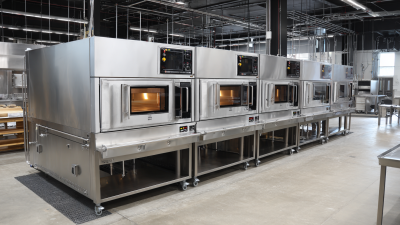
2025 Top Commercial Rack Oven Features and Benefits You Need to Know
In the rapidly evolving landscape of the foodservice industry, the role of technology and equipment is paramount to operational efficiency and product quality. Among the most essential pieces of equipment in commercial kitchens are commercial rack ovens. These high-capacity ovens not only streamline the cooking process but also ensure consistent and high-quality results, vital for meeting the demanding expectations of today's consumers. According to a report by IBISWorld, the commercial baking equipment market is poised to grow at a steady rate of 4.5% annually, reflecting the increasing reliance of food establishments on advanced culinary technology.
As we look ahead to 2025, understanding the top features and benefits of commercial rack ovens is crucial for businesses aiming to enhance their kitchen capabilities. These ovens offer versatile cooking options, energy efficiency, and advanced control systems that can significantly improve food consistency and reduce operational costs. A survey conducted by the National Restaurant Association indicates that 75% of foodservice operators believe investing in modern kitchen equipment is critical to their success. This highlights the importance of staying informed about the latest innovations in commercial rack ovens, which are designed to meet the demands of both high-volume production and gourmet culinary applications.
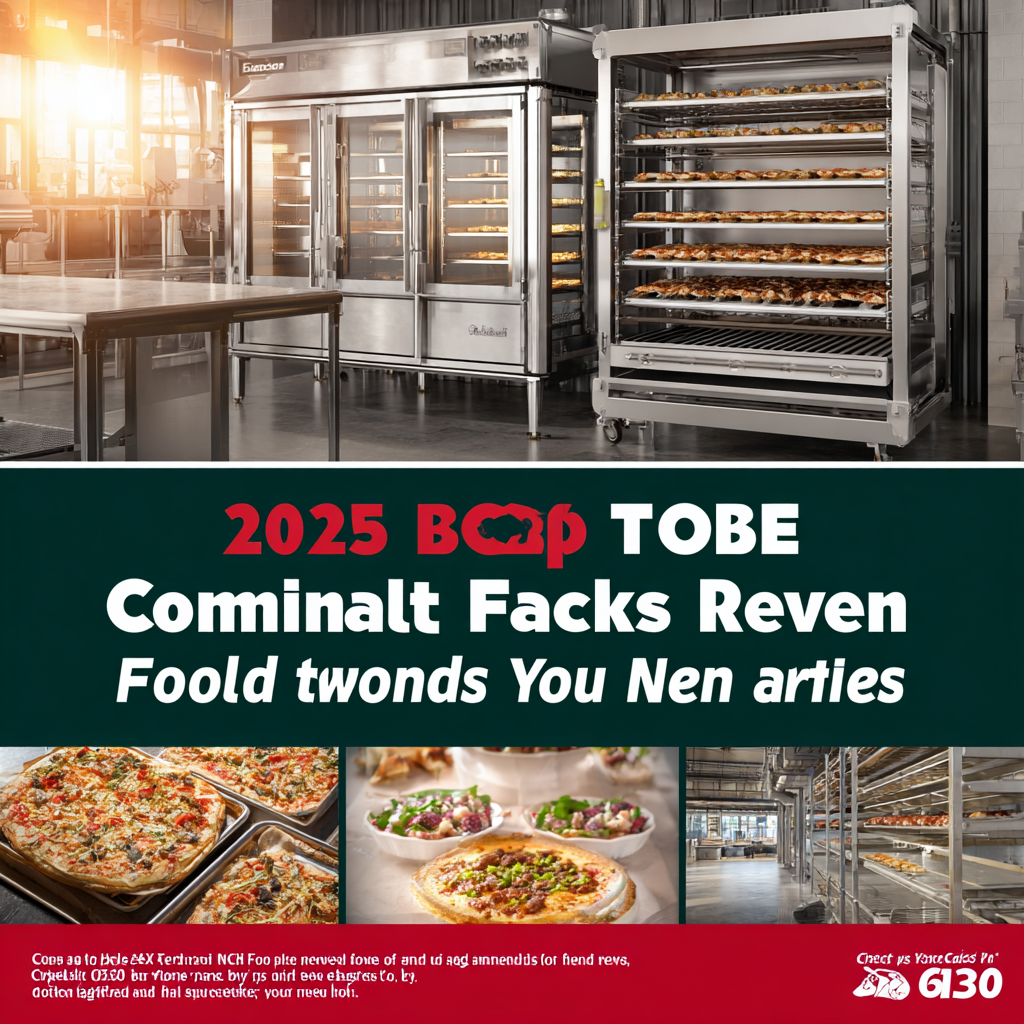
Key Innovations in 2025 Commercial Rack Ovens: What You Need to Know
In 2025, commercial rack ovens have undergone significant innovations that cater to the evolving needs of the foodservice industry. One key feature is the integration of smart technology, allowing operators to monitor and control cooking parameters remotely. According to a recent report by Hospitality Technology, over 60% of restaurants are now utilizing smart appliances, underscoring the demand for efficiency and precision in cooking. This advancement not only optimizes energy usage but also enhances food consistency, ensuring that each dish is prepared to perfection.
Another notable innovation is the focus on energy efficiency. Studies by the American Energy Association reveal that energy-efficient commercial ovens can reduce energy consumption by as much as 30%. Features such as improved insulation and advanced heat distribution systems play a crucial role in achieving this goal. Additionally, many new models are designed with eco-friendly materials, aligning with the growing emphasis on sustainability in the foodservice sector. This combination of technology and environmental responsibility marks a significant shift in the commercial kitchen landscape, providing operators with both operational savings and a reduced carbon footprint.
Energy Efficiency Trends: Reducing Operational Costs with Advanced Technology
As the culinary landscape evolves, commercial kitchens are embracing innovations that prioritize energy efficiency, significantly reducing operational costs. According to a study by the U.S. Department of Energy, modern energy-efficient ovens can reduce energy consumption by up to 30% compared to older models. This not only aligns with sustainability goals but also translates into considerable savings on utility bills, making it a win-win for business owners.
When considering a commercial rack oven, operators should focus on features that enhance energy efficiency. For instance, models equipped with advanced insulation technology and precise temperature controls can minimize energy waste. Research from the Foodservice Technology Center shows that ovens with smart cook settings further optimize energy use by heating only when necessary and maintaining optimal cooking conditions, leading to energy savings without compromising food quality.
**Tip:** Investing in ovens with programmable features allows chefs to automate cooking processes while also maximizing energy efficiency. Additionally, regular maintenance, including cleaning filters and checking seals, can ensure that commercial ovens remain in peak condition, prolonging their lifespan and maintaining energy performance. By staying informed on energy efficiency trends and adopting the latest technologies, kitchens can operate more sustainably and economically.
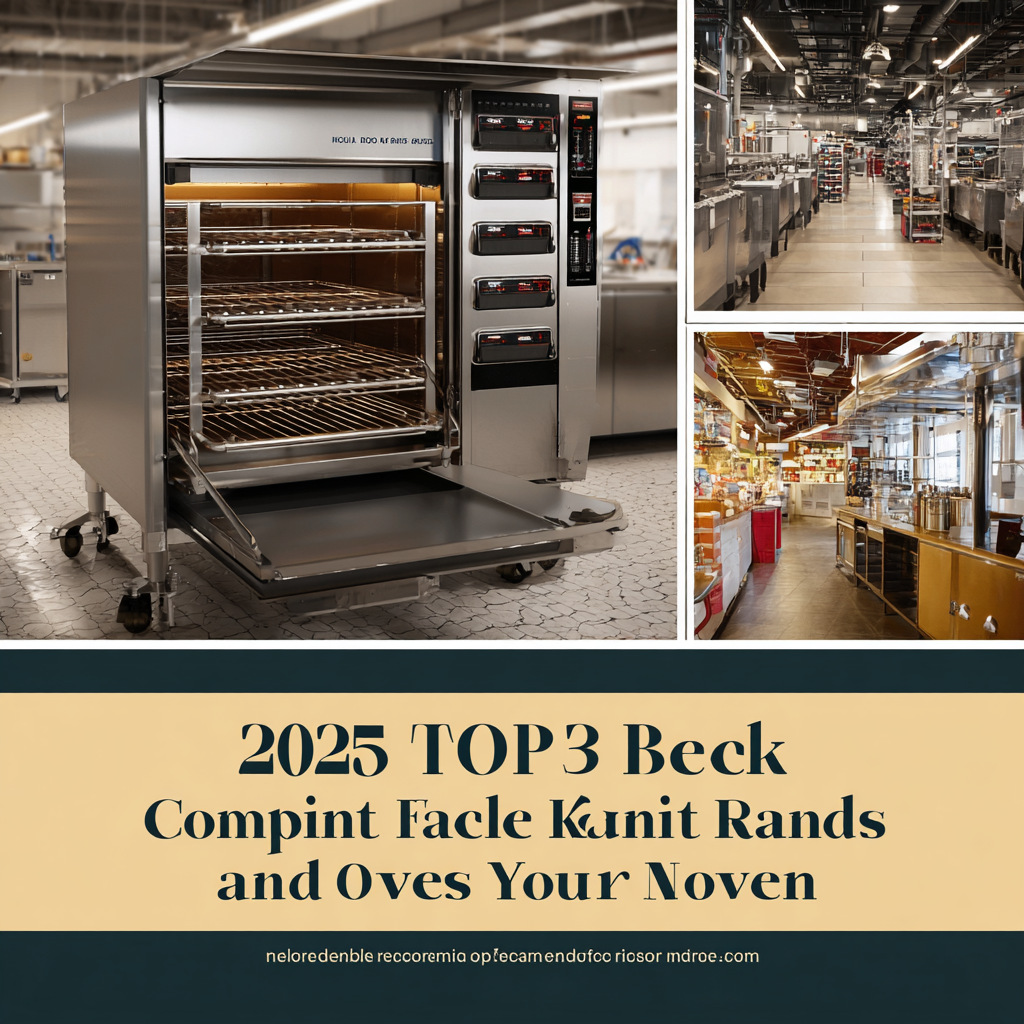
Enhanced Baking Consistency: The Importance of Temperature Control Systems
In the competitive world of commercial baking, achieving the perfect consistency in baked goods is paramount. One of the critical features of top commercial rack ovens is their advanced temperature control systems. These systems ensure that heat distribution remains uniform throughout the baking chamber, which is essential for eliminating hot spots that could lead to uneven cooking. With enhanced temperature management, bakers can create products that not only look great but also taste fantastic, fostering greater customer satisfaction.
Tips: Regularly calibrating your oven's temperature settings can significantly improve your baking outcomes. Additionally, investing in an oven with digital controls can provide real-time temperature readings, allowing for immediate adjustments when necessary.
Another important benefit of sophisticated temperature control systems is their impact on energy efficiency. Modern rack ovens are designed to maintain optimal temperatures while using less energy than older models. This not only reduces operational costs but also minimizes the environmental impact of baking operations. By selecting an oven that prioritizes energy efficiency, businesses can streamline their costs while aligning with sustainable practices.
Tips: Consider scheduling regular maintenance checks for your oven to ensure its temperature control systems are functioning optimally. This proactive approach can help prevent unexpected breakdowns and extend the lifespan of your equipment.
2025 Top Commercial Rack Oven Features and Benefits You Need to Know
| Feature |
Description |
Benefits |
| Digital Temperature Control |
Allows precise setting and monitoring of oven temperature |
Ensures consistent baking results and reduces the risk of over or undercooking |
| Multi-Stage Cooking |
Ability to program multiple cooking stages with different temperatures |
Optimizes cooking processes for various dishes, enhancing flavor and texture |
| Steam Injection |
Injects steam into the oven during cooking |
Improves crust quality and moisture retention in baked goods |
| Self-Cleaning Feature |
Automatic cleaning cycle that reduces manual cleaning time |
Saves time and labor costs while maintaining hygiene |
| Energy Efficiency |
Utilizes advanced insulation and heat recovery systems |
Reduces energy consumption, lowering operational costs |
User-Friendly Interfaces: Streamlining Operations in High-Volume Kitchens
In high-volume kitchens, the efficiency and usability of equipment can significantly impact overall workflow and productivity. User-friendly interfaces in commercial rack ovens play a vital role in streamlining operations, allowing chefs and kitchen staff to focus more on food preparation rather than navigating complex controls. Modern rack ovens are designed with intuitive touchscreens and easy-to-read displays that simplify the cooking process, making it accessible even to those who may not have specialized training.
Additionally, these advanced interfaces often include programmable settings for various recipes and cooking techniques, reducing the likelihood of errors during busy service hours. With features like one-touch operation and preset cooking profiles, staff can quickly adjust temperatures, cooking times, and other parameters without the need for extensive manual input. This not only saves time but also ensures consistency in food quality, which is crucial in maintaining customer satisfaction in high-volume dining environments, ultimately enhancing the overall efficiency and effectiveness of commercial kitchen operations.
2025 Top Commercial Rack Oven Features
Sustainability in Commercial Ovens: Eco-Friendly Features Shaping the Industry
The shift towards sustainability is significantly influencing the commercial oven industry, with many manufacturers prioritizing eco-friendly features. According to a recent industry report by IBISWorld, the demand for energy-efficient appliances is projected to grow by 8% annually through 2025. This trend is largely driven by increasing awareness among consumers and businesses regarding their carbon footprints.
Commercial rack ovens are now being designed with advanced technologies that minimize energy consumption and waste while maximizing efficiency.
One notable innovation is the integration of smarter control systems that optimize cooking processes based on real-time data, which can reduce energy usage by up to 20%. Additionally, many ovens are incorporating materials that improve heat retention and distribution, ensuring that they use less energy over time. The use of environmentally-friendly insulation materials and recyclable components is also becoming commonplace.
Reports from the Foodservice Equipment Reports indicate that restaurants implementing sustainable kitchen practices can reduce operating costs by approximately 30%, underscoring the financial benefits of eco-friendly appliances alongside their environmental impact.