Choosing a double door oven is not simply a matter of buying more cooking space. For global buyers, the right model depends on installation, energy supply, kitchen layout, and the work expected from each cavity. A household preparing weekday meals may value fast preheating, while a restaurant or bakery may prioritize consistent output across repeated batches.
This guide introduces the main double door oven types available in 2026, including built-in double wall ovens, freestanding double-oven ranges, and commercial configurations. Each type serves a different setting. Two independently controlled cavities can help roast vegetables at one temperature while baking bread at another. Yet extra capacity also means checking cabinet dimensions, door clearance, ventilation, and available power before purchase. Small details matter.
Buyers should compare usable capacity, heating modes, controls, cleaning features, and warranty support using current manufacturer specifications. Product names can be confusing across markets, and advertised volume may not reflect the space available for trays. That part deserves a closer look. Electrical connections, fuel options, plug types, and installation requirements also vary by model and destination, so confirm them with the supplier and a qualified local installer.
There is no single best oven for every kitchen. A compact home may gain little from a large commercial unit, while a busy food operation may outgrow a basic residential model. The sections ahead explain practical differences, selection criteria, and sourcing questions. Use them to narrow the field, then verify the details that matter for your location and daily cooking needs.
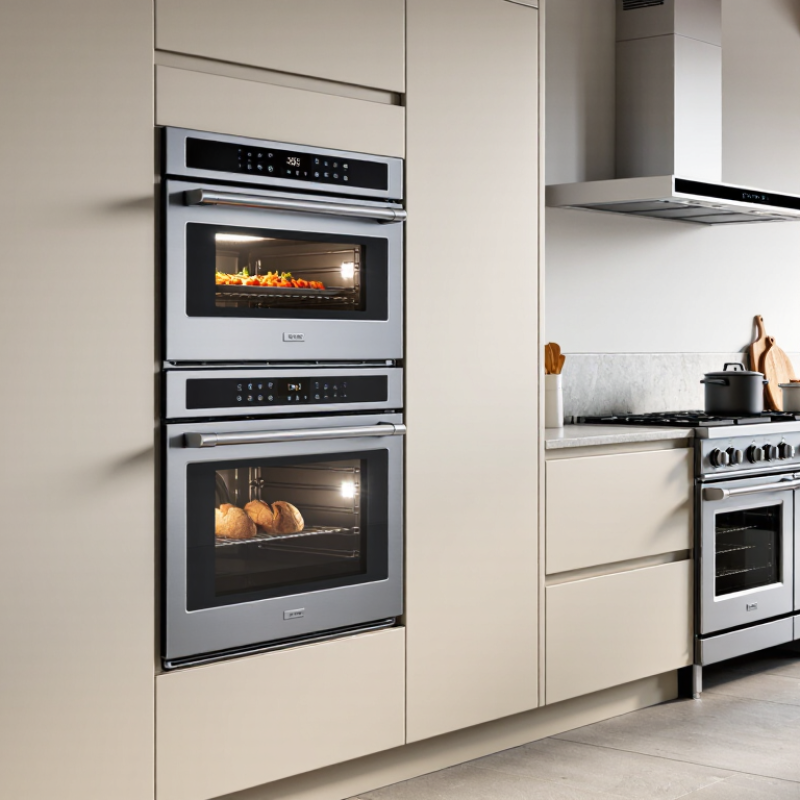
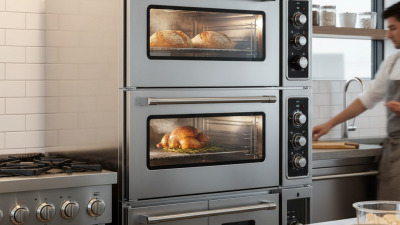
A double door oven typically has two separate cooking chambers, each with its own door, rather than one large cavity. Many designs stack an upper and lower oven, letting cooks roast vegetables below while warming bread above. Some models offer different temperature settings, controls, or cooking modes for each chamber. Terminology is not perfectly consistent across catalogs. Check whether “double door” means two independent cavities or simply a distinctive door design. That distinction matters.
The IEA’s Tracking Buildings 2024 report estimates that buildings account for about 30% of global final energy consumption. This is useful context when comparing ovens, though it is not a product-specific efficiency rating. Look for verified energy-use information, cavity capacity, power requirements, and clear installation dimensions. IEC 60350-1 provides standardized methods for measuring the performance of domestic electric ovens. A buyer can use published test information to compare models more fairly, but real results still depend on cooking habits and installation.
Tips: Before choosing, measure the cabinet opening and check the power supply. Ask whether both cavities can operate at once, and compare their usable rack space. A smaller upper oven can suit quick meals; it may feel cramped with a large roasting pan.
In 2026, buyers will find several formats marketed as double ovens. The term usually describes two separate cooking cavities, not two doors on one cavity. Built-in wall models stack the ovens vertically and suit kitchens with dedicated cabinet space. Freestanding double-oven ranges combine two cavities with a cooktop, saving floor space. Compact versions offer a smaller upper oven for toast, side dishes, or quick reheating. Useful distinction.
Fuel and cooking technology create another set of choices. Electric models are widely available, while gas versions suit kitchens with a gas connection. Convection ovens use fans to circulate hot air, helping food brown more evenly across trays. Some premium configurations add steam cooking or combine steam and convection. Features vary by market, so confirm cavity size, connection requirements, and service availability before ordering. Capacity figures can also be misleading: check usable shelf width, not just the advertised litres.
Energy use deserves attention. The International Energy Agency’s Energy Efficiency 2023 report estimates that buildings accounted for about 30% of global final energy consumption in 2022; this is not an oven-specific figure, but it reinforces the value of comparing efficiency information. Look for clear consumption data and practical controls, such as independent cavity timers. A second oven can save time, but running both cavities for a small meal may erase that advantage.
For global buyers, double-door ovens should be compared by fuel source and heating system, not door count alone. Gas models use combustion heat and may recover quickly after frequent loading. They also require suitable ventilation and careful burner maintenance. Electric ovens use resistance elements or infrared heat, offering precise control in many kitchens. Their operating emissions depend partly on the local electricity supply. Small details matter.
The heating method changes the result on the tray. Convection fans move hot air around racks, helping batches cook more evenly; radiant or deck systems deliver stronger heat directly to cookware. ENERGY STAR reports that certified commercial ovens are about 20% more energy-efficient than standard models, a useful benchmark rather than a guarantee for every kitchen. The U.S. Department of Energy’s commercial oven test procedure measures both cooking-energy efficiency and idle energy rate, so buyers can compare performance beyond rated input. Still, test results cannot fully predict busy service, where doors open often and trays vary. Test before scaling. A half-loaded oven may behave differently from a full one, and that is easy to overlook in a purchasing spreadsheet.
Double-door ovens are usually stacked units with two independently controlled cavities, though their usable volumes can differ sharply. Compare each cavity in liters, not just the combined advertised capacity. The European Union’s energy-label rules require oven cavity volume and energy consumption per cycle to be declared, making those figures useful for cross-model checks (Commission Delegated Regulation (EU) No 65/2014). A wide roasting pan may fit below but not above. Small detail, big consequence.
Installation needs equal scrutiny. Measure the cabinet opening, door swing, ventilation gaps, and electrical supply before ordering. The U.S. Energy Information Administration’s 2020 Residential Energy Consumption Survey found that roughly six in ten U.S. households use electricity as their main cooking fuel. That does not make an electric double oven a universal fit: regional voltage, frequency, and circuit capacity still matter. An electrician should verify the appliance load against the site supply.
Regional safety requirements also differ. IEC 60335-2-6 covers stationary cooking ranges, hobs, and ovens, but local adoption and certification rules vary. Ask suppliers for the applicable test certificates and installation drawings for the destination market. “Standard size” can be misleading. A few millimeters of cabinet clearance can decide whether a unit installs cleanly or needs costly rework. My own caution: published capacity figures rarely show how usable both cavities feel with real cookware.
“Double oven” generally means two separate cooking cavities, not necessarily two doors on one cavity. Dimensions and capacities below are indicative market ranges; exact specifications vary by model and market.
| Oven Type | Typical Size and Usable Capacity | Installation and Space | Electrical and Regional Considerations | Best Suited To |
|---|---|---|---|---|
| Built-in double wall oven | Commonly about 24, 27, or 30 in (61, 69, or 76 cm) wide in North America. Combined capacity is often around 4–10 cu ft (113–283 L), depending on cavity size and how capacity is measured. | Installed in a cabinet tower or wall cut-out. Requires a correctly sized cabinet, secure support, ventilation clearances, and access to the specified electrical connection. | North American models commonly use a 120/240 V, 60 Hz supply; some configurations or markets differ. Confirm the appliance rating plate, circuit requirements, and local electrical code. | Households that want two cooking temperatures at once and have suitable built-in cabinetry. |
| Freestanding double-oven range | Often around 30 in (76 cm) wide in North America, with combined oven capacity commonly about 5–7 cu ft (142–198 L). The upper and lower cavities are usually different sizes. | Installed as a floor-standing cooker between cabinets or in a designated range space. Requires appropriate anti-tip protection and a compatible electrical or gas connection. | Electric versions in North America often require a 120/240 V, 60 Hz connection. Gas models need a compatible gas supply and may also need electricity for controls or ignition. Local requirements vary. | Buyers who want two oven cavities without installing a separate wall-oven cabinet. |
| 60 cm built-in double-cavity oven | Common in several European and other international markets. The cabinet width is typically about 60 cm; combined stated capacity varies widely, often roughly 70–110 L. | Fits a compatible 60 cm oven housing or tall cabinet. Check the required niche dimensions, ventilation arrangement, and whether the appliance is designed for flush or standard fitting. | Many European markets use nominal 220–240 V, 50 Hz mains, but circuit capacity and connection method depend on the appliance and country. Verify the rating plate and local installation rules. | Homes with standard 60 cm kitchen cabinetry and a preference for two independent cavities. |
| Compact built-in double oven | Usually narrower or shorter than a full-size double wall oven; sizes and combined capacity are less standardized. Check both cavity dimensions, not just the overall litre figure. | Designed for a compatible compact cabinet opening, often as part of a stacked appliance layout. Cabinet cut-out measurements and ventilation clearances are essential. | Supply voltage, frequency, and circuit needs vary by market and model. Do not assume that a compact oven can use the same connection as another oven in the kitchen. | Smaller kitchens, secondary cooking areas, or buyers prioritizing two cavities in a limited space. |
| Dual-fuel double-oven range | Typically a full-width range with two oven cavities; overall capacity depends on the model and cavity layout. The cooktop uses gas while the ovens are generally electric. | Requires a suitable range opening, gas connection, electrical supply, and correct clearances. Installation should be carried out by qualified professionals where required. | Gas type and pressure are country-specific. Electrical requirements also differ; confirm both the gas specification and electrical rating against local rules before purchase. | Buyers seeking gas surface cooking with electric oven functions, provided both utilities are available. |
Buying check: Compare usable cavity dimensions, not capacity alone. Before ordering, verify the exact cut-out, door-opening clearance, ventilation, voltage, frequency, phase, circuit or gas requirements, and local certification requirements with the product documentation and a qualified installer.
2026 Top Double Door Oven Types for Global Buyers
Which Double Door Oven Best Fits Each Buyer’s Needs?
The right double door oven depends on what you cook, how much you serve, and the space available. A two-cavity model lets staff set different temperatures in separate compartments. That suits kitchens preparing delicate pastries and roasted dishes at the same time. A stacked deck-style oven may better serve bakeries or pizzerias that need steady, high-volume baking. Check usable chamber dimensions, not just the outside footprint. A wide door can still hide a shallow cavity.
Tips: Measure doorways, counters, and ventilation clearance before ordering. Confirm voltage, frequency, plug type, and service support with the supplier. Requirements vary by location. Do not assume a matching plug means a compatible oven.
For small cafés, compact units can save floor space, but capacity may become limiting during rush periods. Hotels and catering kitchens may value independent controls and faster recovery between batches. Ask for verified temperature ranges, preheating times, and cleaning instructions. A low purchase price can become expensive if parts or trained technicians are hard to find. I would not choose by door count alone; that shortcut is tempting, but incomplete. Test whether trays fit and whether staff can open both doors safely in the actual kitchen layout.
Built-in double wall ovens and freestanding double oven ranges provide two independent oven cavities; ranges also include a cooktop. French-door countertop ovens typically have one cooking cavity behind two doors, making them a compact option rather than a true double oven. Scores are a comparative configuration-fit guide from 1 (low fit) to 5 (high fit), not market or performance statistics.